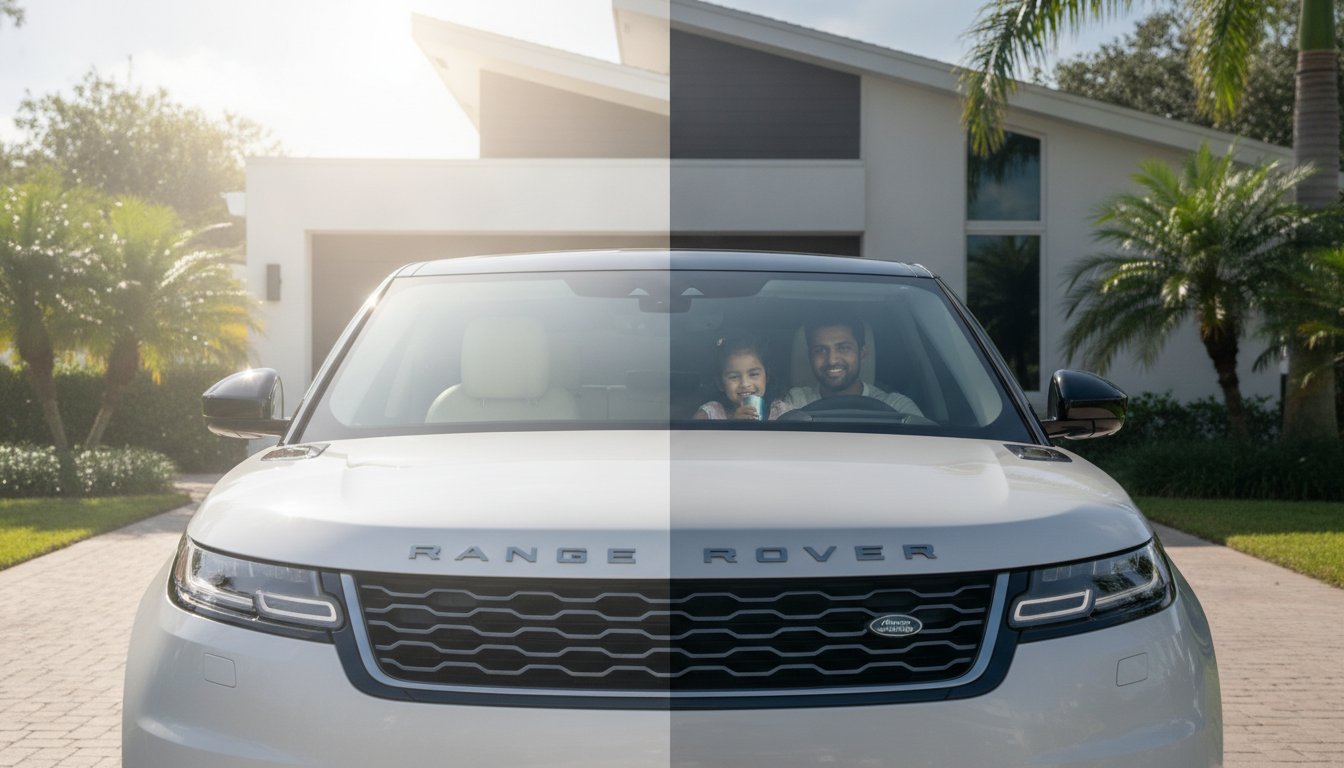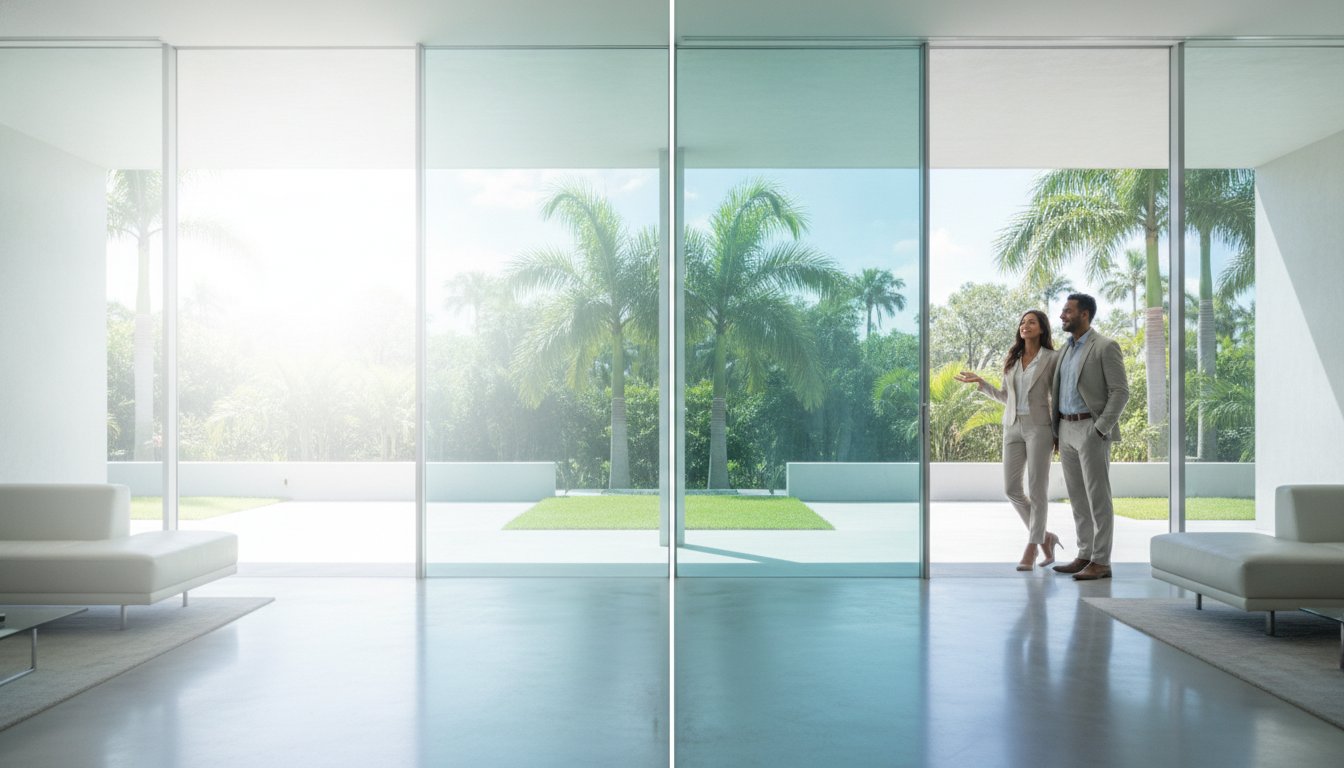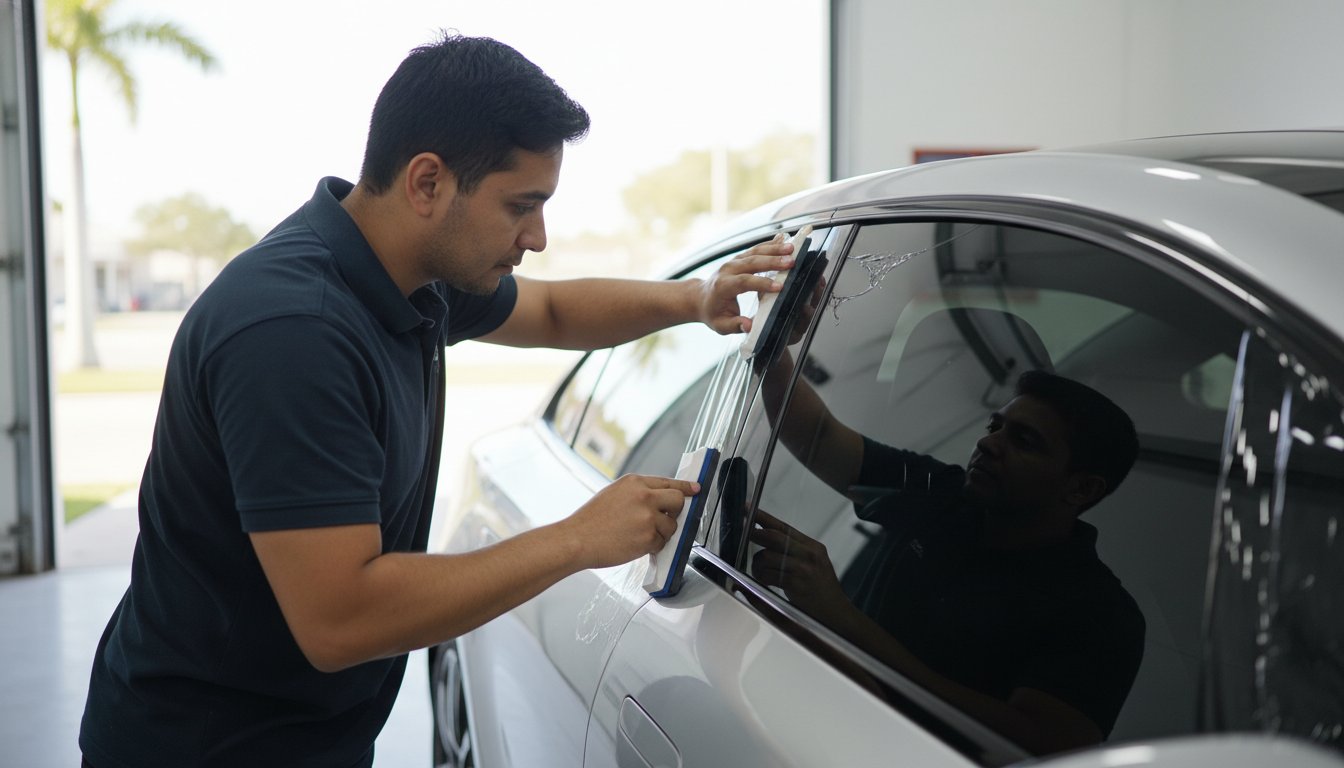
Did you know that high-performance nano-ceramic films applied during a professional automotive window tinting service can reject over 60% of total solar energy? Most drivers understand the frustration of climbing into a car that feels like a furnace, only to watch their leather seats fade and crack under the relentless sun. It's a common struggle to find that perfect balance between cooling comfort and the worry of staying within legal tint limits.
We agree that your vehicle deserves better than a bubbling, budget job that compromises your visibility and style. This guide will walk you through the step-by-step installation process and help you choose the best film for your specific needs. You'll learn how the experts achieve a flawless, factory-look finish that protects your skin and your car's interior for the long haul. From understanding VLT percentages to seeing how specialized techniques ensure perfection, we'll show you how to get the most value for your investment.
Key Takeaways
- Understand why modern tinting is a high-tech, multi-layered polyester application designed for functional heat rejection rather than just aesthetics.
- Compare the performance benefits of ceramic, carbon, and dyed films to select the right protection for your vehicle's interior.
- Discover how a professional automotive window tinting service utilizes "clean room" environments and intensive decontamination to ensure a flawless finish.
- Learn the specific signs of a master installation, including how to perform the light gap test and inspect for microscopic contamination.
- Get essential guidance on local VLT regulations and what to expect during the critical curing phase after your service is complete.
Understanding Automotive Window Tinting: More Than Just Dark Glass
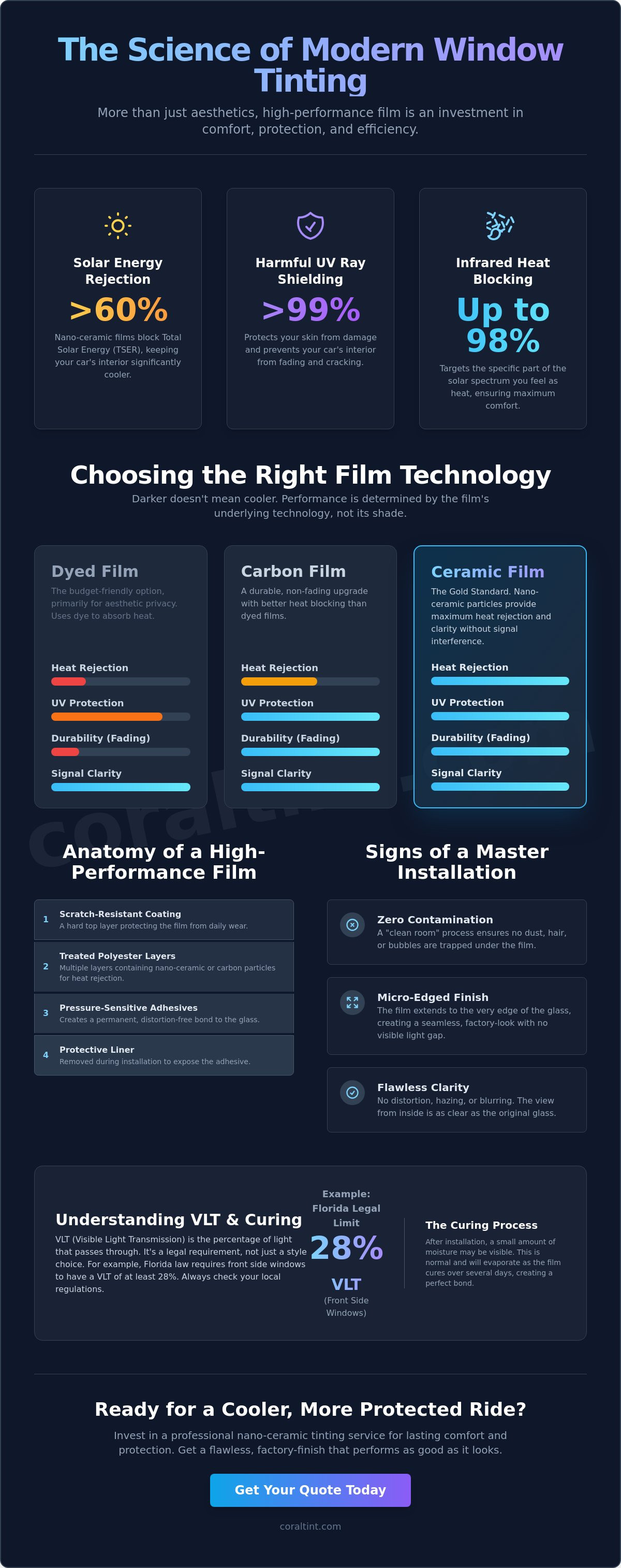
Many drivers assume that window tinting is simply about making glass darker. In reality, a high-quality automotive window tinting service involves applying a sophisticated, multi-layered window film constructed from high-grade polyester. While the aesthetic upgrade is undeniable, the true value lies in functional performance. In 2026, premium nano-ceramic films can reject over 60% of total solar energy, making them the gold standard for vehicle protection. We prioritize Total Solar Energy Rejected (TSER) as the key metric because it measures the ability to block visible light, infrared radiation, and ultraviolet rays simultaneously. A film that looks dark doesn't always perform well if its TSER rating is low. You might get the privacy you want, but you'll still feel the heat if the technology isn't there.
The Science of Heat Rejection and UV Shielding
The Florida sun is relentless. When your car sits in a parking lot in Coral Springs, it experiences a greenhouse effect. Short-wave solar energy enters through the glass and becomes trapped as long-wave heat, causing interior temperatures to skyrocket. Professional films block up to 98% of infrared radiation, which is the specific part of the spectrum you feel as heat on your skin. Even more importantly, these films block over 99% of harmful UV rays. This protection is vital for preventing skin damage and stopping your leather dashboard from cracking or fading. By keeping the cabin cooler, your air conditioning doesn't have to work as hard, which can lead to better fuel efficiency over time. It's a practical investment that pays off every time you start the engine.
VLT and the Anatomy of Window Film
Visible Light Transmission, or VLT, is the percentage of light that passes through the glass. For example, Florida law requires front side windows to have a VLT of at least 28%. It's a common misconception that a thicker film provides better heat rejection. Modern technology allows for thin, high-performance films that pack multiple functional layers into a single sheet.
A professional grade film typically includes several specialized components:
- Scratch-Resistant Coating: A hard top layer that protects the film from daily wear and window operation.
- Treated Polyester: Multiple layers that provide the structure and contain the heat-blocking technology.
- Adhesives: Pressure-sensitive materials that create a permanent, bubble-free bond to the glass.
- Protective Liner: A temporary layer removed during the installation process to reveal the adhesive.
Choosing an automotive window tinting service that understands these technical nuances ensures you get a product that offers maximum protection without compromising clarity or legal compliance. We focus on these details because we know our community relies on their vehicles to stay safe and comfortable in the heat.
Choosing the Right Film: Ceramic vs. Carbon vs. Dyed
Selecting the right film is the most critical decision in an automotive window tinting service. It isn't just about the shade of the glass. It is about the science behind the material. For years, dyed films were the standard choice for drivers seeking a darker look on a budget. These films use a layer of dye to absorb solar energy, but they often fade to a purple hue over three to five years. Carbon films offer a step up with a matte finish and better infrared blocking. They don't contain metal, so they won't fade, yet they still fall short of the high-performance capabilities required for the intense Florida heat.
A common misconception is that a darker tint automatically provides more heat rejection. This is false. A dark, low-quality dyed film can actually trap heat against the glass, while a light-colored ceramic film can keep the cabin significantly cooler. When evaluating your options, remember that safety and visibility are paramount. The NHTSA regulations on window tinting emphasize the importance of maintaining enough light transmission for safe operation, especially at night. You don't have to choose the darkest shade to get the best protection.
Why Ceramic is the Best Auto Window Tint in Boca and Beyond
Ceramic film is the 2026 gold standard. It uses nano-ceramic particles that are both non-conductive and non-metallic. Because these particles are so small, they allow for incredible optical clarity while blocking up to 98% of infrared heat. One of the biggest advantages for modern drivers is that ceramic materials do not interfere with electronic signals. Whether you rely on GPS, 5G cellular data, or satellite radio, your connectivity remains flawless. In South Florida, where the sun is a constant factor, the 35% projected increase in nano-ceramic market share by 2026 reflects how much locals value this superior technology.
Budget vs. Performance: Making the Trade-off
Investing in a premium film changes the "cost per year" math. A dyed film might be cheaper upfront, but replacing it every few years due to bubbling or fading adds up. Ceramic films are designed to last the lifetime of your vehicle. For owners of high-end vehicles, the choice is even clearer. Luxury cars, as detailed in our Mercedes tinting guide, require materials that match their engineering. If you want the best protection for your investment, you might consider exploring our Ceramic Films to find a solution that balances performance and style perfectly. Choosing quality now prevents the headache of a "re-do" later. We believe in doing the job right the first time so you can enjoy the road in comfort.
How a Professional Window Tinting Service Works (Step-by-Step)
A high-quality automotive window tinting service is a technical, "clean-room" procedure that requires a controlled environment. While mobile services offer convenience, they often struggle with wind-blown dust, pollen, and temperature fluctuations that compromise the final result. A dedicated shop provides a stable atmosphere where master installers can focus on precision. This controlled setting is essential for achieving a flawless, factory-look finish that lasts for years. When you bring your vehicle into a professional facility, the process follows a strict sequence designed to ensure the film bonds perfectly to your glass.
The journey begins with precision cutting. In 2026, many shops utilize advanced plotter-cut technology, which uses a computer-controlled blade to cut the film to the exact specifications of your vehicle's make and model. This eliminates the need for blades near your window seals. However, some seasoned experts still prefer hand-cutting for a truly custom, "gapless" fit. Regardless of the tool, the goal is a perfect match for every pane of glass. This stage sets the foundation for a professional installation that complies with safety standards and state window tinting regulations regarding light transmission and reflectance.
Preparation and Precision Cleaning
Before any film touches the car, the glass undergoes intensive decontamination. This isn't a simple wipe-down with glass cleaner. It's a "triple-clean" process. First, installers use specialized razors to scrape away bonded contaminants like tree sap or overspray. Next, they scrub the glass with industrial-grade solutions to break down oils. Finally, they perform a lint-free wipe to ensure the surface is pristine. They also pay close attention to the gaskets and felt seals where hidden dust often lurks. In the world of window tinting, "contamination" refers to any microscopic dust, hair, or debris trapped between the film and the glass that causes visible bubbles or imperfections.
Heat Shrinking and Custom Fitting
Automotive glass is rarely flat; it has complex curves that a flat piece of polyester film cannot naturally follow. To fix this, installers use the "dry shrink" method. They place the film on the outside of the window and use high-powered heat guns to carefully "mold" the material to the glass's specific curvature. This prevents the film from "fingering" or peeling back after application.
Once the film is shaped, the final application begins:
- The Peel: The protective liner is removed in a wet environment to prevent static from attracting dust.
- The Mount: The film is placed on the inside of the glass using a specialized mounting solution.
- Moisture Removal: Installers use a series of squeegees with varying hardness to push out every drop of solution.
This meticulous moisture removal is what creates the permanent bond. A master installer ensures the edges are micro-edged or tucked neatly behind the seals for a seamless look. This level of detail is why a professional service is the only way to guarantee your investment stays protected and looking sharp.
Evaluating Quality: How to Spot a Master Installer
Once your automotive window tinting service is complete, you shouldn't just drive away. Take a moment to inspect the craftsmanship. A master installer leaves behind evidence of their skill in the small details. Start with the "Light Gap" test. Roll down your windows slightly and look at the top edge. A professional installation features a consistent, nearly invisible margin, usually less than a sixteenth of an inch. If you see a large, wavy, or uneven gap, it suggests the film was not cut or aligned with precision. We take pride in our micro-edging techniques because they create a seamless, factory-installed appearance that lasts.
Next, inspect the glass for contamination. In the world of high-end tinting, contamination refers to microscopic dust specks, lint, or hair trapped under the film. While a 100% sterile environment is impossible, a quality shop keeps these imperfections to an absolute minimum. If your windows look like they have "acne" or visible bubbles, the shop likely skipped the intensive decontamination steps we discussed earlier. You should also look at the dot matrix, which is the textured black border on many car windows. A pro knows how to manage these areas so the film adheres smoothly without leaving a thick, unsightly silver border.
The shop environment itself is a major quality indicator. A clean, well-lit workshop with dedicated cutting stations and specialized tools shows a commitment to excellence. If the workspace is a cluttered, dark garage, it is a breeding ground for dust and errors. We believe that a disciplined environment leads to a superior product for our community.
The Red Flags of a Low-Quality Installation
Watch for immediate warning signs that suggest a subpar job. Purple film is a dead giveaway for cheap, dyed materials that will fail and fade within a few years. Look for visible creases or "fingers" where the film was not properly heat-molded to the glass. Perhaps most importantly, check for razor nicks. Inexperienced installers can accidentally cut into your defroster lines or window gaskets, leading to permanent damage. A "too fast" turnaround time often means the installer cut corners during the preparation phase to move on to the next vehicle.
Warranty and Long-Term Durability
A reputable automotive window tinting service stands firmly behind its work. You should always receive a manufacturer's warranty that covers film failures like bubbling, peeling, or delamination. However, a truly professional shop also provides a labor guarantee. This ensures that if a technical error occurs during installation, the team will fix it without hesitation. For more vetting tips, read our 2026 guide to finding the best window tint company. If you're ready for a flawless finish that protects your investment, contact our expert team today to schedule your service.
Getting Started with Your Automotive Window Tinting Service
Starting your journey with a professional automotive window tinting service is an investment in both comfort and vehicle longevity. Once the installation is complete, the first few days are critical for ensuring a lifetime of performance. You'll likely notice a slightly "hazy" or milky appearance immediately after the service. Don't panic. This is a normal part of the curing process as the mounting solution evaporates through the film. It typically takes about 48 hours for the film to settle, though full curing can take up to 30 days depending on the Florida humidity. During this initial window, you must keep your windows rolled up to prevent the edges from peeling before the adhesive has fully bonded.
Maintenance is straightforward but requires the right tools. For 2026 high-performance films, ammonia-free cleaners are non-negotiable. Ammonia is a harsh chemical that can degrade the scratch-resistant coating and break down the polyester layers over time. Instead, use a soft microfiber cloth and a dedicated tint-safe cleaner or a mild mixture of water and a few drops of dish soap. If you're curious about the specific costs for your vehicle, you can find detailed information in our guide on requesting a tint quote to ensure you get the best value for your specific model.
Florida Legal Limits for 2026
Staying compliant with local laws is essential to avoid unnecessary fines. In Florida, the 2026 regulations for passenger vehicles are specific. Your front side windows must allow at least 28% Visible Light Transmission (VLT). This ensures drivers have enough visibility for safe operation. For the rear side and back windows, the limit is 15% VLT, allowing for much darker shades that provide privacy and superior heat rejection for passengers.
Windshields are also regulated. You can apply a non-reflective tint strip to the top of the windshield, but it must stay above the AS-1 line, which is usually the top four to six inches of the glass. If you have a documented medical condition that requires extra protection from sunlight, such as lupus or extreme sun sensitivity, Florida does offer medical exemptions. These permits allow for darker tints than the standard legal limits, provided you keep the proper documentation in your vehicle at all times.
Scheduling Your Professional Installation
A quality automotive window tinting service takes time. While some shops might promise a one-hour turnaround, a thorough job for a standard sedan usually requires two to four hours. This duration allows for the intensive multi-stage cleaning and precision heat-shrinking we discussed earlier. To help the process go smoothly, we recommend washing your car before your appointment. Removing external dirt and grime from the body of the car reduces the amount of loose debris that could accidentally enter the shop environment and get trapped under your new film.
We've served our local community for years with a focus on craftsmanship and reliability. If you're ready to transform your driving experience and protect your interior from the relentless sun, we're here to help. Book your professional car window tinting service at Coral Tint today!
Protect Your Investment with Expert Craftsmanship
Choosing a professional automotive window tinting service is about more than just achieving a darker look. It's a commitment to your long-term comfort and safety on the road. By selecting advanced ceramic films and trusting a master installer, you ensure a flawless finish that blocks heat and harmful UV rays without interfering with your modern electronics. We've been serving the Coral Springs community since 1987, bringing decades of experience and specialized precision to every vehicle we handle.
As certified ceramic film installers, we pride ourselves on combining traditional craftsmanship with the latest industry technology. Our team understands the technical nuances of a perfect application, ensuring your film looks factory-installed. We stand behind our work with a lifetime warranty on all professional tints, providing the security and peace of mind you deserve. Get Your Free Automotive Window Tinting Quote Today and see why local drivers have trusted us for nearly forty years. We look forward to helping you stay cool and protected through 2026 and beyond.
Frequently Asked Questions
How long does a professional automotive window tinting service take?
A standard automotive window tinting service usually takes between 2 and 4 hours to complete. The exact time depends on your vehicle's size and the complexity of the glass curvature. Large SUVs with multiple small windows require more precision than a standard two-door coupe. We recommend dropping your car off for the morning or afternoon to ensure our technicians have the time needed for a flawless, bubble-free installation.
Can I roll down my windows immediately after getting them tinted?
No, you should wait at least 48 hours before rolling down your windows. This waiting period is essential for the adhesive to create a permanent bond with the glass. Operating the windows too early can cause the film to peel or lift at the edges, which compromises the entire installation. Keeping them rolled up ensures the precision edges remain tucked neatly behind the seals for a factory-look finish.
Why does my new window tint look bubbly or hazy right after installation?
A hazy or bubbly appearance is a normal part of the curing process. This happens because the mounting solution is trapped between the film and the glass as it begins to evaporate. These small water pockets will naturally dissipate within 48 hours to 30 days, depending on the Florida humidity. Park your car in the sun to help speed up this evaporation process and achieve full optical clarity.
What is the legal tint limit in Florida for 2026?
Florida law requires front side windows to have a Visible Light Transmission (VLT) of at least 28%. For your rear side and back windows, the limit is 15% VLT. These standards ensure you maintain safe visibility while still benefiting from significant heat rejection. We always verify these limits during an automotive window tinting service to keep your vehicle compliant with local 2026 regulations and windshield strip requirements.
Will window tinting interfere with my car's electronics or cell signal?
High-quality ceramic films will not interfere with your electronics. Because ceramic is non-metallic and non-conductive, it allows GPS, 5G cellular data, and satellite radio signals to pass through the glass without interruption. Older metallic films often caused signal blocking, but modern nano-ceramic technology ensures your vehicle's connectivity remains perfectly clear while you enjoy superior thermal protection from the sun.
How do I clean my tinted windows without damaging the film?
You should only use ammonia-free glass cleaners and soft microfiber cloths. Ammonia is a harsh chemical that can eat away at the film's scratch-resistant top coat and cause the material to turn purple or brittle. Avoid using paper towels or abrasive sponges, as these can leave small scratches on the surface. A simple mixture of water and mild dish soap is often the safest choice for long-term maintenance.
Is ceramic tint really worth the extra cost compared to carbon tint?
Ceramic film is widely considered the best investment for Florida drivers due to its superior infrared heat rejection. While carbon films provide a great matte look and won't fade, they cannot match the 98% infrared blocking power of nano-ceramic particles. The increased interior comfort and reduced strain on your air conditioning system often make ceramic the more cost-effective choice over the lifespan of your vehicle.
Can window tint be removed if I change my mind or sell the car?
Yes, professional window tint can be safely removed if you decide to upgrade your film or sell the car. Technicians use specialized steam tools and adhesive removers to pull the film away without scratching the glass or damaging rear defroster lines. Professional removal ensures no sticky residue is left behind, which is often the biggest challenge with DIY kits or low-quality films that have failed over time.