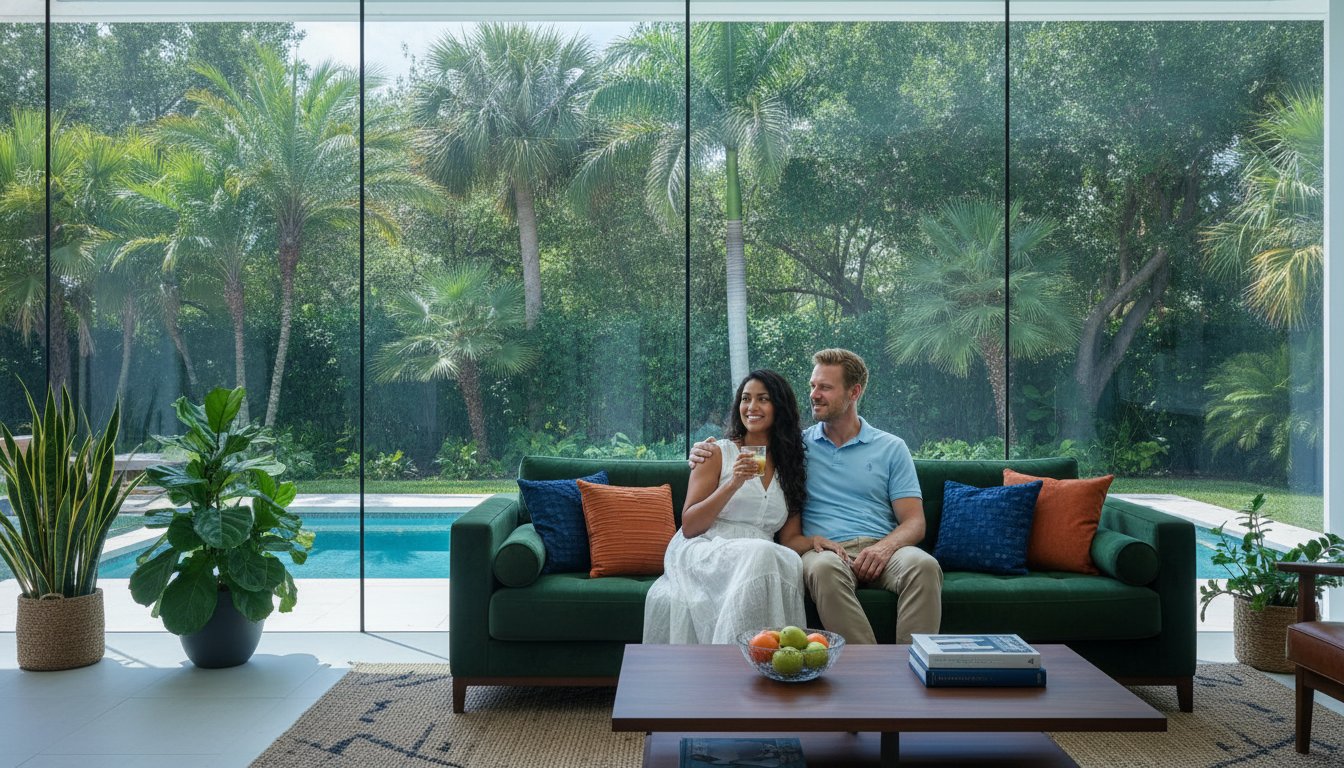
Did you know that standard window glass in your South Florida home offers almost no defense against the UVA rays that cause skin damage and ruin your expensive hardwood floors? It's a frustrating reality for many of our neighbors in Broward County who want to enjoy the sunshine without watching their furniture fade or their AC bill skyrocket. By installing professional uv protection film, you can actually block up to 99.9% of these harmful rays without turning your living room into a dark cave. Modern ceramic technology has changed the game, allowing you to preserve your stunning coastal views while maintaining a bright, airy atmosphere.
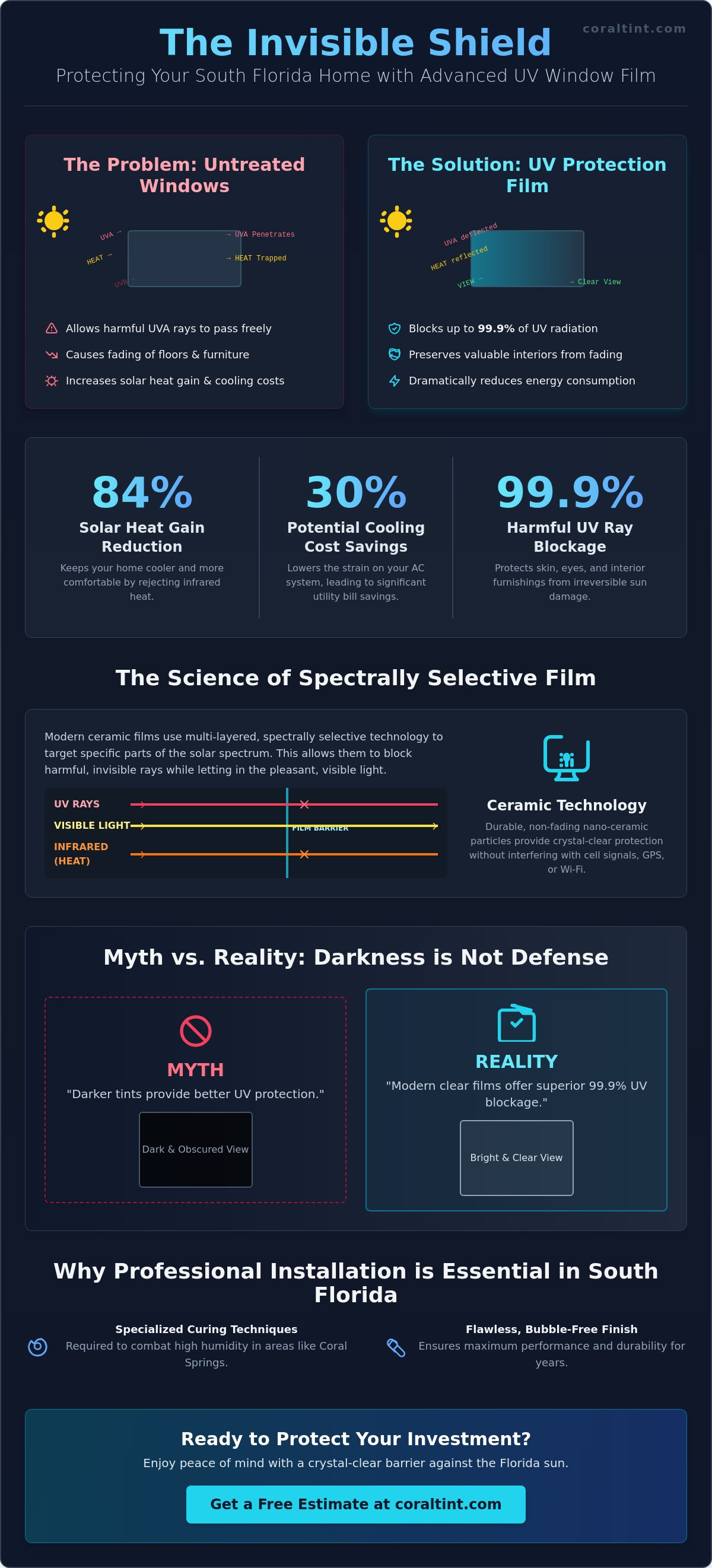
We understand that your home is your greatest investment, and protecting it shouldn't mean living in the shadows. This guide will show you how to achieve 99% UV blockage and reduce solar heat gain by up to 84%, which can lower your cooling costs by as much as 30%. We'll explore the latest 2026 standards for window films and explain why "clear" protection is often more effective than the dark tints of the past. You'll discover how to secure your property's value and your family's health with a solution that's as durable as it is invisible.
Key Takeaways
- Grasp the science of multi-layered polyester and ceramic coatings that filter out invisible spectrums without changing your home's aesthetic.
- Analyze the impact of Solar Heat Gain on your monthly utility expenses and how a spectrally selective barrier mitigates this hidden cost.
- Debunk common myths about darkness and defense by seeing how high-VLT films provide superior health benefits compared to standard dark tints.
- Learn why the specific humidity levels in Coral Springs require specialized adhesive curing techniques that only a seasoned expert can provide.
- See how uv protection film acts as a critical preservation tool for high-value assets, from waterfront estates to luxury automotive interiors.
What is UV Protection Film and How Does it Work?
High performance uv protection film is a sophisticated, multi-layered coating made from advanced polyester or nano-ceramic materials. While it might look like a simple sheet of plastic, it's actually a precision engineered barrier designed to filter the solar spectrum. The primary goal of this technology is to block 99.9% of harmful ultraviolet radiation before it ever enters your home or vehicle. This level of protection acts as an invisible shield, allowing you to enjoy the bright, open feel of modern architecture without the destructive side effects of raw sunlight.
It's vital to distinguish between solar heat rejection and UV radiation blockage. While they often work together, they serve different purposes. Heat rejection focuses on infrared light to keep your interiors cool, but UV blockage targets the specific wavelengths responsible for DNA damage and material degradation. To understand what window film is and how it functions as a protective layer, you have to look at the science of light. Modern films use spectrally selective technology to let in the "good" visible light while bouncing away the "bad" invisible radiation.
The Science of the Spectrum: UVA vs. UVB
Sunlight contains different types of ultraviolet rays, and your standard window glass isn't the fortress you might think it is. UVA rays are often called "aging" rays because they have longer wavelengths that penetrate deep into the skin and through most glass surfaces. These are the primary culprits behind the fading of your expensive hardwood floors and the breakdown of fabrics. UVB rays are the "burning" rays that cause immediate sun damage. While standard residential glass blocks most UVB, it leaves you almost entirely exposed to UVA. Professional uv protection film fills this gap, creating a total barrier that standard glazing simply cannot provide on its own.
Ceramic vs. Traditional Film Technology
The 2026 market has seen a massive shift toward ceramic films because of their incredible durability and clarity. Traditional films often relied on dyes or metals to block light, which could lead to a purple tint over time or interfere with your digital life. Sputtered ceramic particles are different. They're non-conductive and non-reflective, meaning they won't block your GPS, cell signals, or home Wi-Fi. Because these films don't rely on organic dyes, they don't fade or bubble even under the relentless South Florida sun. You get a crystal clear view that remains stable for years, making it a superior choice for both luxury cars and waterfront estates.
The Hidden Dangers of the South Florida Sun
Living in Coral Springs or anywhere in Broward County means dealing with an extreme UV index that frequently reaches "Very High" or "Extreme" levels. This intense radiation is a constant environmental pressure on your property. It's not a seasonal issue; it's a year-round reality that drives up energy costs through a process known as solar heat gain. When raw sunlight hits untreated glass, it transforms into radiant heat that gets trapped inside your rooms. This forces your air conditioning to work overtime just to maintain a comfortable temperature.
The U.S. Department of Energy highlights the energy-saving benefits of high quality window films. These products help mitigate the nearly one-third of a home's cooling costs typically attributed to heat gain through windows. Without a dedicated uv protection film, your windows are essentially thermal leaks that compromise both your comfort and your wallet. Protecting your space requires more than just blinds; it requires a barrier that addresses the sun's energy at the glass.
Health Risks: Beyond the Beach
Sun damage doesn't stop when you step indoors. The Skin Cancer Foundation warns that while standard glass blocks most UVB rays, it allows UVA rays to pass right through. These "aging" rays are responsible for deep tissue damage and long-term health risks. Many Florida drivers suffer from "left-side aging," where the side of the face exposed to the side window shows significantly more wrinkles and sunspots than the right. Your eyes are equally at risk. Cumulative exposure to interior glare can contribute to serious conditions like cataracts or macular degeneration over time. Professional film provides the daily defense your family needs.
Asset Protection: Stopping the "Slow Burn"
Your interior assets are currently facing a "slow burn" that destroys value over time. We use the "Fading Formula" to explain this degradation: 40% of fading is caused by UV rays, 25% by solar heat, and 25% by visible light. The remaining 10% comes from miscellaneous factors like indoor humidity. Standard glass provides zero defense against the primary 40% of this equation. This is why fine art, leather upholstery, and dark wood floors lose their luster so quickly in South Florida.
Investing in a professional residential window film installation is a proactive way to secure your heirlooms and property. It's far more cost-effective to apply a protective layer than it is to refinish sun-damaged flooring or replace custom drapes. A high performance uv protection film stabilizes your interior environment. If you want to stop the fade before it starts, considering residential window tinting is the most reliable way to preserve the beauty of your home.
UV Film vs. Standard Window Tint: Clearing the Confusion
Many homeowners hesitate to install protection because they assume it'll make their rooms feel like a dark theater. This is a common misunderstanding. Standard window tint is often chosen for privacy or style, using dark dyes to obscure the view. In contrast, modern uv protection film is engineered for performance first. You don't need a "limo tint" to save your skin or your furniture. We've seen many neighbors surprised to learn that a clear film can actually outperform a dark one in terms of total energy rejection.
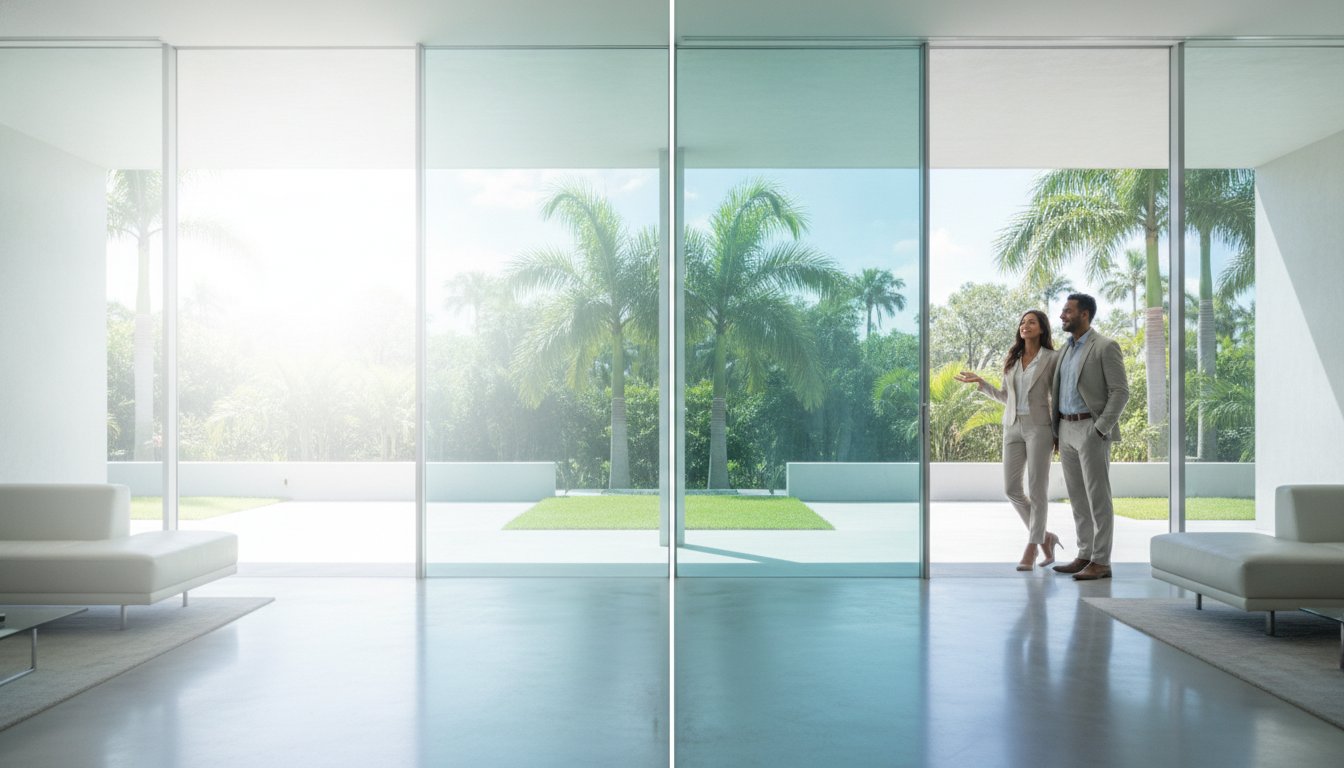
The industry measures darkness through Visible Light Transmittance (VLT). A film with 5% VLT is extremely dark, while a 90% VLT film is nearly invisible. It's a myth that a lower VLT provides better UV defense. High quality clear films block 99.9% of UV rays just as effectively as the darkest shades. While dark dyed films absorb heat and can eventually bubble or peel, clear ceramic films use advanced particles to reflect infrared energy away from the glass. This means you can keep your home cool and safe without changing how it looks from the curb.
The Rise of Virtually Clear Protection
Modern 70% to 80% VLT films are virtually invisible to the naked eye. This allows you to maintain the natural light that's so vital for mental health and circadian rhythms without the damaging side effects of raw sun. You get the best of both worlds: a bright, airy interior and a complete UV barrier. If you're looking for protection but also desire a specific aesthetic or added privacy, you might explore the 2026 guide to decorative window film for patterned or frosted options that combine style with performance.
Choosing Your Shade: VLT and Florida Laws
When it comes to your vehicle, Florida law is very specific. For sedans, front side windows must have at least 28% VLT, while rear windows can go down to 15%. However, residential and commercial properties have no such legal limits. You have the total freedom to choose a film based purely on your needs. For some, a slight tint helps reduce screen glare in a home office or media room. For others, a completely clear uv protection film is the perfect way to keep a waterfront view pristine. It's all about balancing your desire for natural light with the practical need for long-term solar control.
Strategic Applications: Where UV Film Matters Most
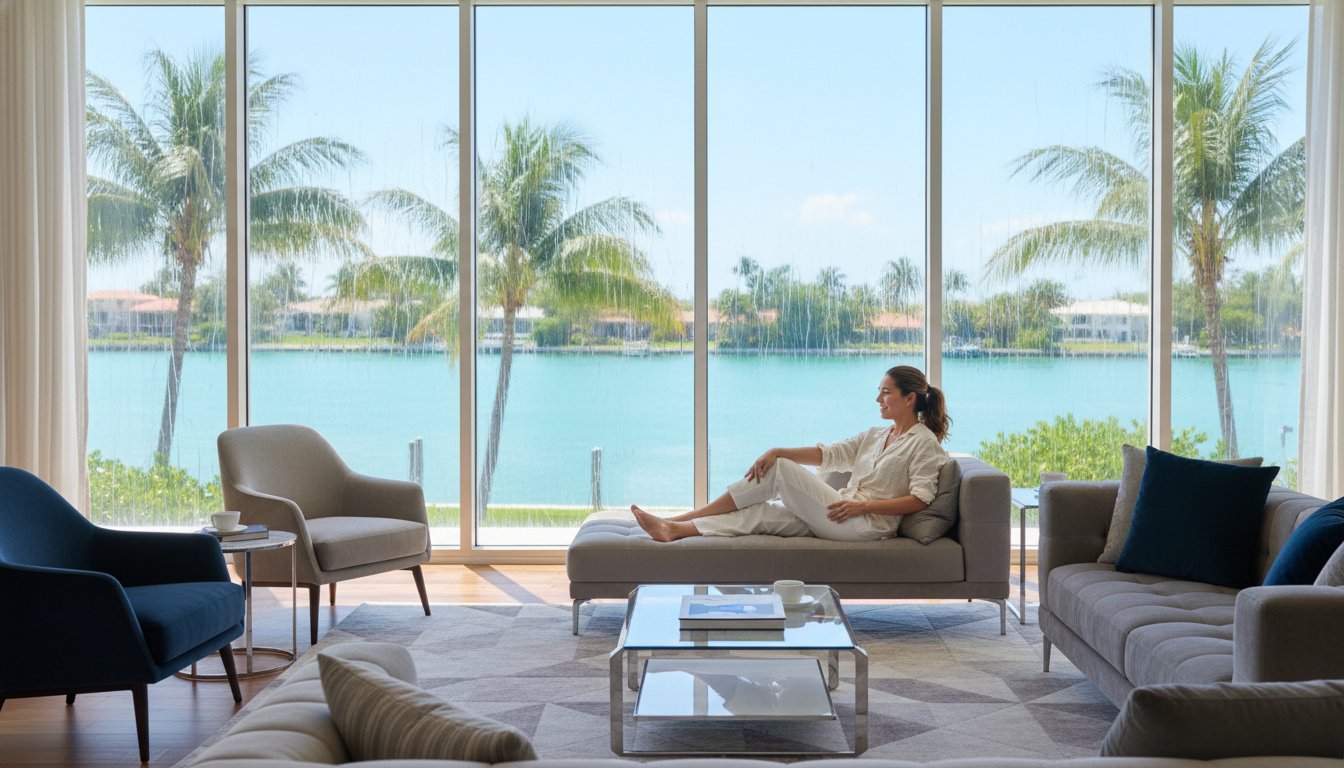
The versatility of uv protection film makes it a vital asset for almost any property in Broward County. While many people think of it strictly for home windows, its applications extend to every environment where the sun can cause damage. For residential waterfront properties, the threat is actually doubled. Raw sunlight hits the water and reflects back into your home, increasing the intensity of the radiation. This concentrated exposure accelerates the degradation of your interior finishes, making a high performance barrier an absolute necessity for coastal living.
Commercial spaces face their own unique set of challenges. Retail storefronts often lose thousands of dollars in "sun-bleached" inventory because items in the window display fade before they can be sold. By applying a clear protective layer, business owners can showcase their products in natural light without the risk of material damage. It's a smart investment that pays for itself by preserving the retail value of your floor stock.
Residential and Commercial Shielding
In a professional office setting, uv protection film does more than just protect the carpet. It significantly improves employee productivity by reducing the punishing glare on computer screens that leads to eye strain and headaches. Many of our local business clients choose to combine these benefits with security & safety film. This dual-purpose solution provides a thick, tear-resistant barrier against break-ins or storm debris while maintaining a 99.9% UV rejection rate. It's a comprehensive way to secure your workplace and your staff simultaneously.
Automotive and Marine UV Defense
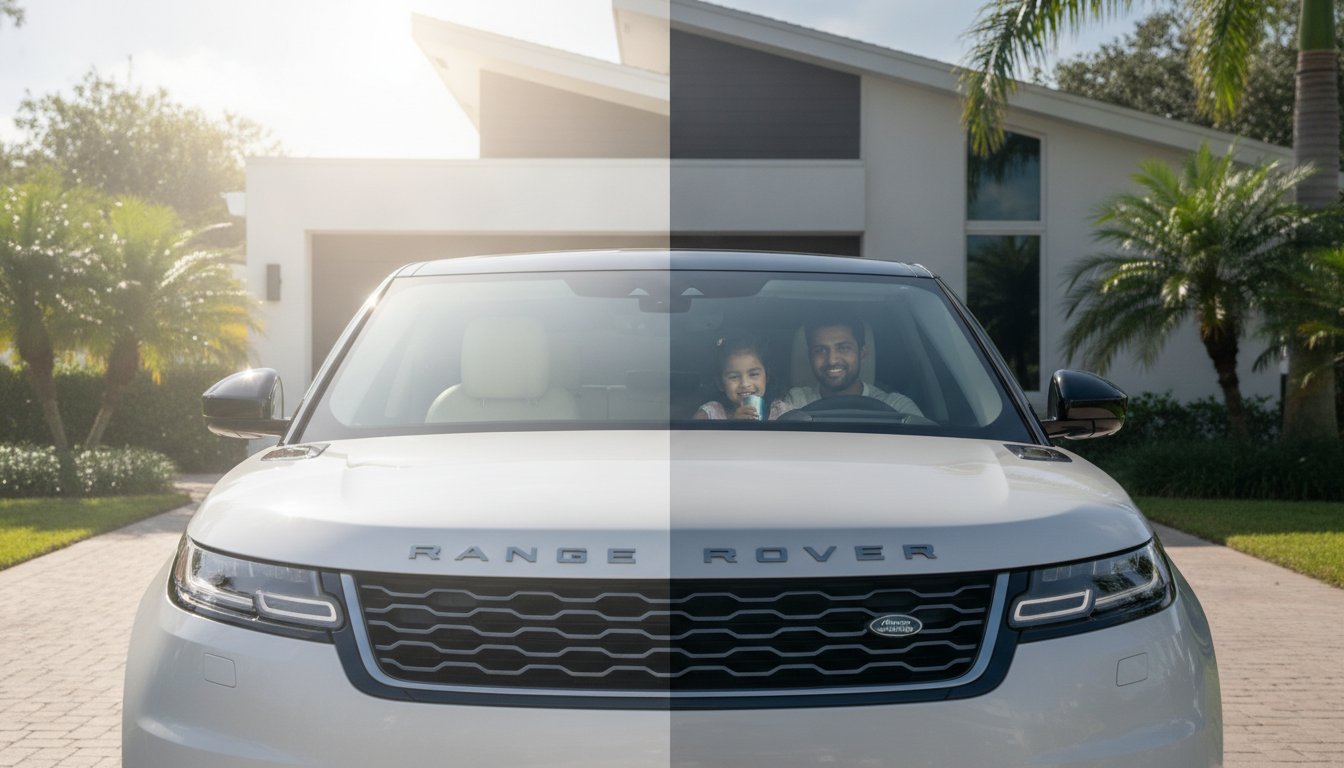
For the average South Florida commuter, a car window tinting service is a health priority. You're often trapped in your vehicle during the peak UV hours of the day, and standard factory glass doesn't offer enough protection for your skin or your car's leather interior. The same logic applies to the boating community. The marine environment is famously brutal on electronics and upholstery due to the combination of salt air and direct solar exposure. Specialized marine window tinting is designed to withstand these harsh conditions, ensuring your vessel's cabin stays cool and your high-end navigation equipment remains functional. If you're ready to protect your business assets, our team is here to help with professional commercial window tinting tailored to your specific needs.
Why Professional Installation is Essential in South Florida
While a DIY kit from a big-box store might seem like a cost-saving measure, the reality of our tropical climate often turns those projects into expensive mistakes. South Florida's relentless humidity is the primary enemy of window film adhesives. If the environment isn't controlled and the application isn't precise, the moisture trapped behind the film prevents proper curing. This leads to the unsightly bubbling and peeling that plagues amateur attempts. Choosing a professional uv protection film installation ensures that the adhesive bond is permanent and the finish is flawless.
Large architectural glass panels require a level of precision that retail kits simply can't match. Professional installers use specialized tools and clean-room techniques to eliminate dust and debris during the process. Perhaps most importantly, manufacturer-backed warranties are almost exclusively reserved for professional applications. If a DIY film fails, you're on your own. When an expert handles the job, your investment is protected by a guarantee that covers both the material and the labor for years to come.
The Coral Tint Difference: Decades of Local Expertise
Finding a reliable window tint company near me is about more than just proximity; it's about finding a partner who understands the local environment. With over 30 years of experience serving the Broward County community, we've mastered the nuances of the Florida sun. We utilize precision-cutting technology to ensure every edge of your uv protection film aligns perfectly with your window frame. This meticulous approach prevents the "purpling" and edge-lift common with lower-grade products, maintaining your home's aesthetic appeal for the long haul.
Maintenance and Long-Term Performance
Preserving your new window shielding is straightforward, but it requires the right approach to stay within warranty guidelines. Follow this simple checklist to keep your film in peak condition:
- Wait at least 30 days after installation before the first cleaning to allow the adhesive to cure fully.
- Use only ammonia-free glass cleaners or a mild solution of dish soap and water.
- Clean with a soft microfiber cloth or a synthetic sponge; never use abrasive pads or brushes.
- Wipe in a circular motion and dry with a clean, lint-free towel.
The long-term ROI of professional UV shielding is significant. Most homeowners see a full return on their investment within 3 to 5 years through reduced energy bills and the preserved value of their interior assets. It's a one-time upgrade that pays dividends for a decade or more. Ready to protect your assets? Get a precision tint quote from Coral Tint today and experience the peace of mind that comes with expert craftsmanship.
Secure Your South Florida Sanctuary Today
Choosing the right defense against the intense Florida sun is about more than just comfort; it's about making a long-term investment in your health and your property's interior beauty. We've explored how modern ceramic technology provides a virtually invisible barrier that blocks 99.9% of harmful rays without sacrificing your natural light. By selecting a high-performance uv protection film, you effectively stop the "slow burn" that destroys hardwood floors and compromises skin health.
Since 1987, our team has provided certified professional installation to our neighbors in Coral Springs, Parkland, and Boca Raton. With over 30 years of local expertise, we understand exactly how to handle the specific humidity and heat challenges of our region. You don't have to choose between a bright home and a protected one. Protect your home and health with Coral Tint. Request a free quote today! We look forward to helping you preserve what matters most with the excellence and reliability you deserve.
Frequently Asked Questions
Does UV protection film make my house too dark inside?
Modern uv protection film is designed to be virtually invisible and won't make your home feel like a dark theater. You can choose films with a high Visible Light Transmittance (VLT) that allow natural light to flood your rooms while still blocking the harmful spectrum. This ensures you can enjoy a bright, airy South Florida atmosphere while gaining professional-grade protection for your skin and furniture. It's the perfect solution for homeowners who want to preserve their views without the gloom of traditional dark tints.
Can I install UV protection film on double-pane windows?
You can absolutely install film on double-pane windows as long as you select a product specifically rated as "dual-pane safe." Professional window films are engineered to manage heat absorption to prevent thermal stress on the glass. Our experts evaluate your specific glass type to ensure the film is compatible with the seals of your insulated glass units. This professional assessment is vital because it prevents the risk of seal failure or glass breakage that often occurs with improper DIY applications.
How long does professional UV window film last in Florida?
A professional installation typically lasts between 10 and 15 years, even under the intense environmental pressures of Broward County. High-quality ceramic and polyester films are built to withstand the salt air and extreme UV index without bubbling, peeling, or turning purple over time. The longevity of your investment depends heavily on the quality of the material and the precision of the initial application. Most professional grade films also come with manufacturer-backed warranties to provide long-term peace of mind.
Does clear UV film really stop furniture from fading?
While no product can stop fading 100%, uv protection film significantly slows the process by eliminating the primary cause. UV radiation is responsible for approximately 40% of the fading equation. By blocking 99.9% of these rays, you're removing the most destructive element from the environment. When combined with the film's ability to reject solar heat and visible light, your fine art, upholstery, and hardwood flooring stay vibrant for much longer than they would behind untreated glass.
Is UV protection film the same as safety film?
They are distinct products with different primary functions, though they can be combined into a single solution. UV film is a thin layer focused on radiation blockage, whereas security & safety film is much thicker and designed to hold glass fragments together upon impact. Most modern safety films now include high-level UV rejection as a standard feature. This allows you to gain the health benefits of solar protection while simultaneously reinforcing your windows against South Florida storms or attempted break-ins.
Will UV film affect my indoor plants?
Most indoor plants continue to thrive after installation because they primarily use visible light for photosynthesis, which these films are designed to let through. In fact, many tropical plants actually benefit from the reduction in intense radiant heat, which can often cause leaf scorch in untreated windows. If you have extremely delicate species that require high levels of direct UV, you might move them closer to the light source, but the majority of household greenery remains healthy and vibrant.
Does UV film block cell phone or Wi-Fi signals?
High-quality ceramic films do not interfere with your digital connectivity. Unlike older metallic films that could act as a shield against radio frequencies, ceramic particles are non-conductive and signal-friendly. This ensures that your cell phone reception, GPS, and home Wi-Fi signals remain strong and uninterrupted throughout your property. You can enjoy a fully protected interior without experiencing dropped calls or slow internet speeds in your home, office, or vehicle.
How much does it cost to install UV protection film in Coral Springs?
The cost of installation depends on the total square footage of your glass and the specific technology you choose, such as premium ceramic or standard polyester. Factors like the height of your windows and the complexity of the frames also influence the final investment. Because every property in Coral Springs has unique architectural needs, it's best to check with a local professional for a customized quote. This ensures you get a price that reflects your specific protection goals and window types.