 how-to
Does Window Tinting Block UV Rays?
Last Updated: October 27, 2026
Quick Summary
Yes, window tinting blocks UV rays, but the amount depends on the film rather than how dark it looks. Clear UV-protective film can block more than darker film with no UV rating. A good film can block more than 99% of UVA and UVB light.
- Darker tint does not protect against UV rays better than clear UV-protective film.
- A good film can block more than 99% of UVA and UVB light, per the Skin Cancer Foundation.
- Factory tinted glass blocks some UV but rarely all of it, which is why many people add film.
- Check that a film blocks both UVA and UVB, since many guides mention only UVB.
- Look for the manufacturer's spec sheet listing UV block, VLT, and heat rejection before buying.
Table of Contents
- Does Window Tinting Block UV Rays, and How Much?
- UVA Versus UVB: Which Rays Your Windows Stop
- Does Car Window Tint Block UV Rays Inside Your Vehicle?
- Does Home Window Film Block UV Rays in Your House?
- Factory-Tinted Glass Versus Aftermarket Film
- Best Window Tint for UV Protection: How to Check the Rating
- Window Film for Furniture Fading and Interior Protection
- Booking Your Window Film Consultation in Coral Springs
- Frequently Asked Questions
Does Window Tinting Block UV Rays, and How Much?
Yes, window tinting blocks UV rays, but the amount depends on the film, not on how dark it looks.
The Skin Cancer Foundation makes this point directly. It says darker tints do not protect against UV rays better than clear UV-protective film, and that protection depends on the film itself Skin Cancer Foundation, "Ask the Expert: Car Window Tint for UV Protection". A good film can block more than 99% of UVA and UVB light, according to the same organization Skin Cancer Foundation, "UV Window Film & Tint".
Factory glass is not the same as film. Basic tinted glass cuts some UV, but it rarely blocks all of it.
The article draws a clear line between darkness and UV protection, so the table below sets out what each thing actually measures.
| Factor | Role in UV protection | Note |
|---|---|---|
| Darkness | Does not indicate UV blocking | Darker tint does not block UV better than clear UV-protective film |
| UV-protective film | Can block more than 99% of UVA and UVB | Figure attributed to the Skin Cancer Foundation |
| Factory tinted glass | Blocks some UV, rarely all of it | Gap in protection is why many people add film |
| Clear glass | Blocks most UVB | UVA protection is more limited |
UVA Versus UVB: Which Rays Your Windows Stop
UVA and UVB are two types of ultraviolet light. UVB causes most sunburn. UVA reaches deeper into skin and passes through glass more easily. Both contribute to skin damage, premature aging, and sun-related eye problems.
This is why a window that blocks UVB is not enough. Ask whether the film blocks both UVA and UVB. Many older guides only mention UVB, so the label matters.
- UVB: the main cause of sunburn, mostly stopped by standard clear glass
- UVA: passes through glass and drives aging and long-term damage
- Look for film that states protection against both
A 2004 study in the medical literature discussed UV-protective windows and films as a way to help prevent skin cancer, and it treated UV exposure through glass as a real health concern PubMed study on UV-protective windows and window films.
Does Car Window Tint Block UV Rays Inside Your Vehicle?
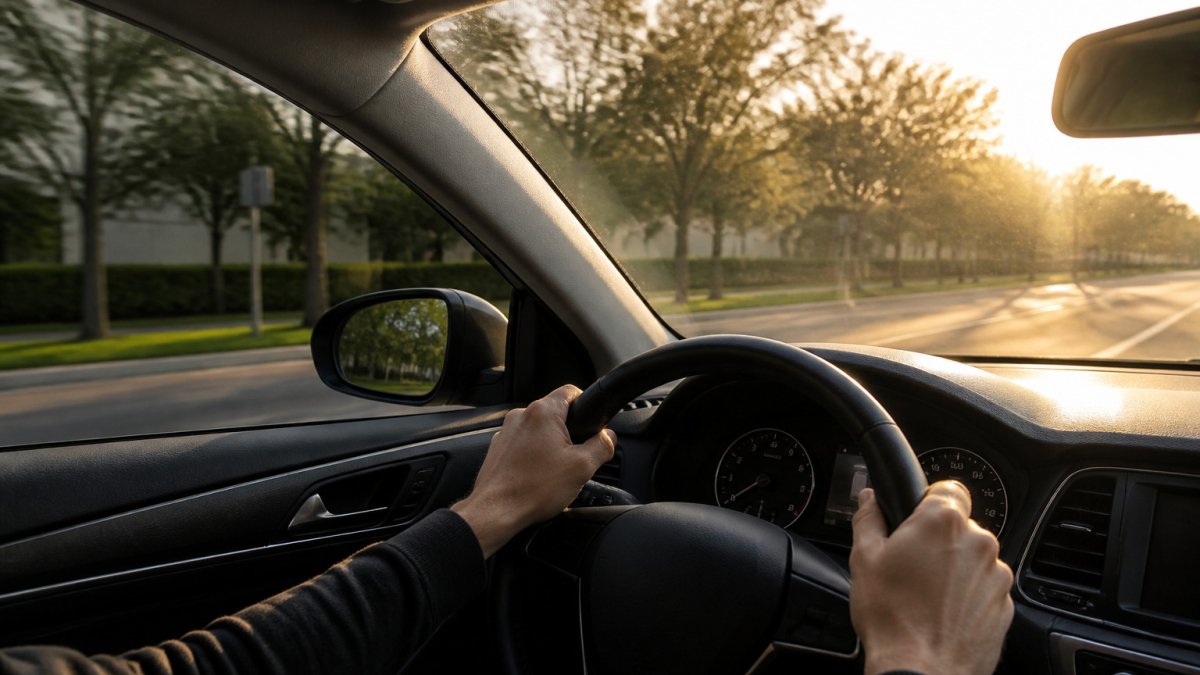
Yes. A reputable test reported average UVA blocking of about 96% for windshields and about 71% for side windows, with side-window results ranging from 44% to 96% West Boca Tint UV test results.
Drivers often ask whether they need tint on the windshield. You should confirm what is legal for your vehicle under Florida rules before choosing darkness levels.
Does Home Window Film Block UV Rays in Your House?
Yes. Window film on home glass can reduce UV entering your rooms. This helps protect furniture, flooring, and artwork from fading. It also helps cut the glare that makes afternoon sun uncomfortable.
Home film does not stop heat as well as it stops UV unless you pick a film rated for heat rejection. UV and heat are separate ratings. A film can block most UV and still let a lot of heat through. Check both numbers if your main goal is a cooler house.
Factory-Tinted Glass Versus Aftermarket Film
Factory tint and aftermarket film are made differently, which is why their UV performance and your ability to verify it differ. Factory tint is typically privacy glass, color or pigment built into the glass during manufacturing, most often on rear side windows and rear glass.
The practical difference: factory tint gives you a darker window with an unknown UV number; aftermarket film gives you a chosen window with a stated UV number. That is why drivers who care about UV protection often add film even to factory-tinted glass.
Protection by window position and glass type
Not every window in a vehicle behaves the same way, and the glass type matters as much as the film.
- Windshield: Usually laminated glass, which already blocks most UVB and a meaningful share of UVA because of the plastic interlayer. Many states restrict or prohibit windshield film, so check your state's rules before adding anything; a clear UV film may be permitted in some states but not others.
- Front side windows: Often tempered glass with weaker UV blocking than laminated glass. These are the windows closest to the driver's face and arms, and many states set VLT limits on them. Film here delivers some of the highest UV-protection value per window.
- Rear side windows and rear glass: Frequently factory privacy glass. Adding a UV-rated film can raise protection, but confirm the combined VLT stays within your state's rules for those positions.
- Sunroof: Glass type varies; some sunroofs are tinted or laminated, some are not. Treat it like any other window and check the spec rather than assuming.
Curing, care, and durability
Aftermarket film is not finished the moment it is applied. A common pattern is a curing period of days to a few weeks during which slight haze or small water pockets can appear and then clear. During that window, avoid rolling down the windows (on doors that were filmed) and clean gently. Proper maintenance during this initial phase ensures the longevity of the film, much like the long-term performance considerations one must weigh when evaluating the overall value of energy efficient windows.
- Cleaning: Use a soft cloth and a non-abrasive cleaner. Avoid ammonia-based glass cleaners and abrasive pads, which can degrade the film surface over time.
- Lifespan: Quality films commonly carry multi-year warranties, often in the range of several years to a decade depending on the product line and application. The warranty term is a useful proxy for how the manufacturer views its own UV and color stability.
- Warranty details: Ask what the warranty covers, bubbling, peeling, discoloration, and UV performance, and whether it is tied to professional installation.
The takeaway
Factory tint answers the privacy question; aftermarket film answers the UV question with a number you can verify. Match the film to the window position, confirm the VLT against your state's limits, and treat curing and care as part of the installation, not an afterthought.
Best Window Tint for UV Protection: How to Check the Rating
Most film brands advertise a big UV number, often "blocks up to 99% of UV rays", but that single figure hides three separate measurements you need to read correctly. UV rejection, visible light transmission (VLT), and heat rejection are different specs, tested differently, and a film can score well on one and poorly on another. Knowing how to read each one is how you verify a claim instead of trusting it.
The three ratings, decoded
- UV rejection (UV block): The percentage of ultraviolet radiation the film stops, usually stated separately for UVA and UVB. Quality automotive and architectural films commonly claim 99% or higher UV block. This number is about skin and fading protection, not heat.
- Visible light transmission (VLT): The percentage of visible light that passes through the glass-plus-film assembly. A lower VLT means a darker window. VLT is a legal and visibility spec, not a UV spec. A clear film with 70% VLT can still block 99% of UV.
- Heat rejection / total solar energy rejected (TSER): The share of total solar energy, visible light, infrared, and UV, the film keeps out. Infrared rejection (often quoted separately) targets the heat-producing wavelengths. A film can block nearly all UV and still pass substantial heat if its infrared and TSER numbers are modest.
A common mistake is treating a dark film as a high-UV film. Darkness is VLT. UV block is a separate coating or dye chemistry. The two do not move together.
How to verify a film's UV performance
- Ask for the manufacturer's specification sheet. A legitimate film has a published data sheet listing UV block (UVA and UVB), VLT, infrared rejection, TSER, and often a warranty term. If a shop cannot produce the spec sheet for the exact product being installed, treat the UV claim as unverified.
- Match the product name to the spec sheet. Films are sold in lines and versions; confirm the sheet covers the specific film going on your glass, not a sibling product.
- Look for third-party test references. Reputable manufacturers cite independent lab testing or standardized test methods on their data sheets. You do not need to interpret the lab report yourself, its presence signals the number was measured, not marketed.
- Separate the UV number from the marketing headline. "Up to 99%" is a ceiling, not a guarantee for every film in a line. Check the row for your specific film.
- Confirm UVA and UVB are both addressed. UVB is largely stopped by ordinary glass; UVA is the harder test and the one tied to deeper skin damage and fading. A film that only cites UVB is answering half the question.
What the numbers mean for your choice
- If skin and fading protection is the goal, prioritize a high, verified UV block (UVA and UVB) and treat VLT as a separate legal/visibility decision.
- If heat is the goal, look at infrared rejection and TSER, UV block alone will not cool the space.
- If legal compliance matters (especially windshields and front side windows), VLT is the number to check against your state's limits before installation.
Once you can read these three ratings side by side, the film choice stops being about how dark the sample looks and becomes about which measured performance you actually need.
Window Film for Furniture Fading and Interior Protection
UV is the main cause of fading in fabrics, upholstery, dashboards, and wood floors. Film that blocks UV slows this damage. It will not stop all fading, because some light still gets through, but it can extend the life of your furnishings.
This matters most for furniture near a sunny window and for car interiors that sit in the Florida sun all day. Protection works best when you combine film with other habits, such as closing blinds during the hottest hours.
Booking Your Window Film Consultation in Coral Springs
If you want to find out which film fits your windows, bring details about which windows get the most sun, what you want to protect, and whether heat or glare is your main concern.
Please request a quote from Coral Tint for current pricing.
Frequently Asked Questions
Do all window films block the same amount of UV radiation?
No. Film performance varies by product and is not set by how dark the film looks. Darker tints do not automatically block more ultraviolet light than clear UV-protective film, according to the Skin Cancer Foundation. The right test is the film's stated UV rejection rating.
Does factory-tinted glass block UV rays?
Factory tint and basic tinted glass can reduce some UV light, but they rarely block all of it.
Is window tint a substitute for sunscreen?
No. Window film reduces UV exposure while you are inside a vehicle or building, but it does not replace sunscreen for skin that is exposed to sunlight outdoors. Film also does not block UV from reaching skin through a window that has no film, and the Skin Cancer Foundation's guidance on UV-protective window film is meant to complement, not replace, other sun protection habits. Keep using sunscreen, protective clothing and shade when you are outdoors.