 how-to
5 Ways Window Tinting Reduces Electric Bills for Homeowners
Last Updated: October 26, 2026
Quick Summary
Window tinting can reduce electric bills by blocking 50-80% of solar heat through reflective and absorptive window film, which lowers your air conditioning workload during hot months. This helps window tinting reduce electric bills most effectively in sunny climates with significant cooling demands.
- Quality residential window films block 50-80% of solar heat depending on film type and thickness
- Window tinting reduces cooling costs by lowering HVAC workload during hot months
- Climate, window orientation, and existing window quality affect how much energy you save
- Professional installation includes precise measurement, thorough cleaning, and careful film application
- Durable quality films last 10-15 years with proper installation
Table of Contents
- How Window Tinting Reduces Electric Bills
- Window Film to Reduce Heat in Your House
- Factors That Affect Your Energy Savings
- Window Tinting Pros and Cons for Homes
- Home Window Film Cost and ROI
- Using a Window Film Energy Savings Calculator
- Getting Professional Window Tinting Installation
- Frequently Asked Questions
How Window Tinting Reduces Electric Bills
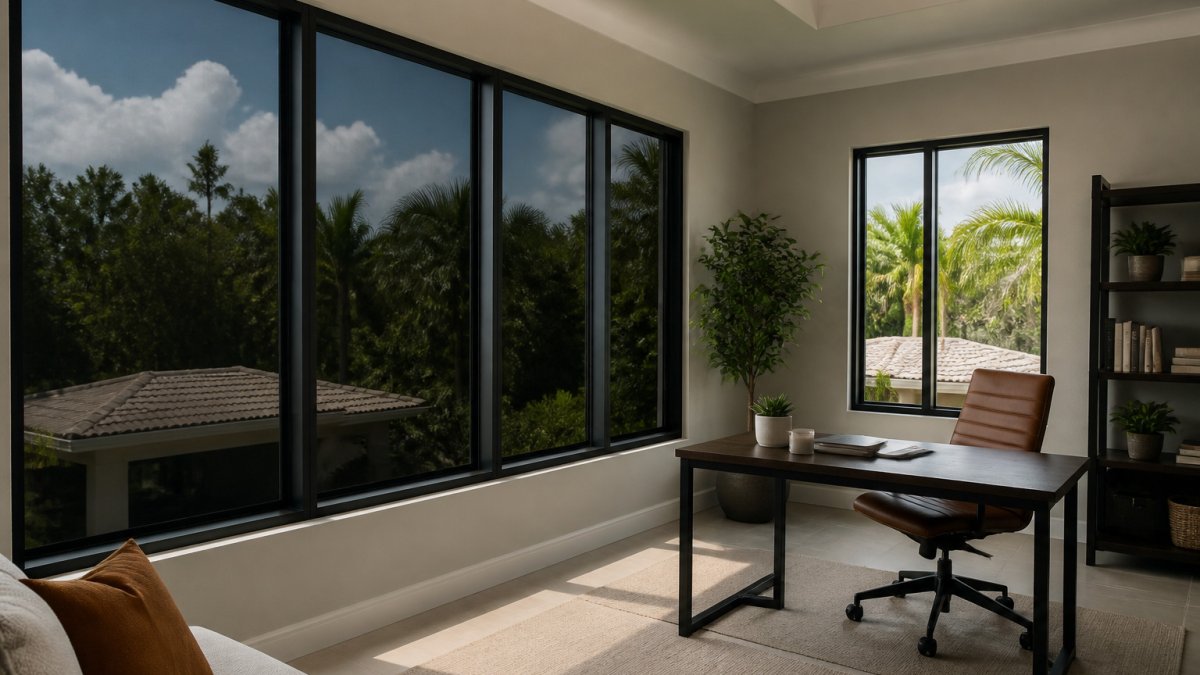
Window tinting can help reduce heat and glare in a home. When sunlight passes through untinted glass, it heats your interior and forces your air conditioning to work harder.
Window film can help reduce heat and glare.
Window tinting can help reduce heat and glare.
The effect of window tinting depends on the home and its windows.
Window Film to Reduce Heat in Your House
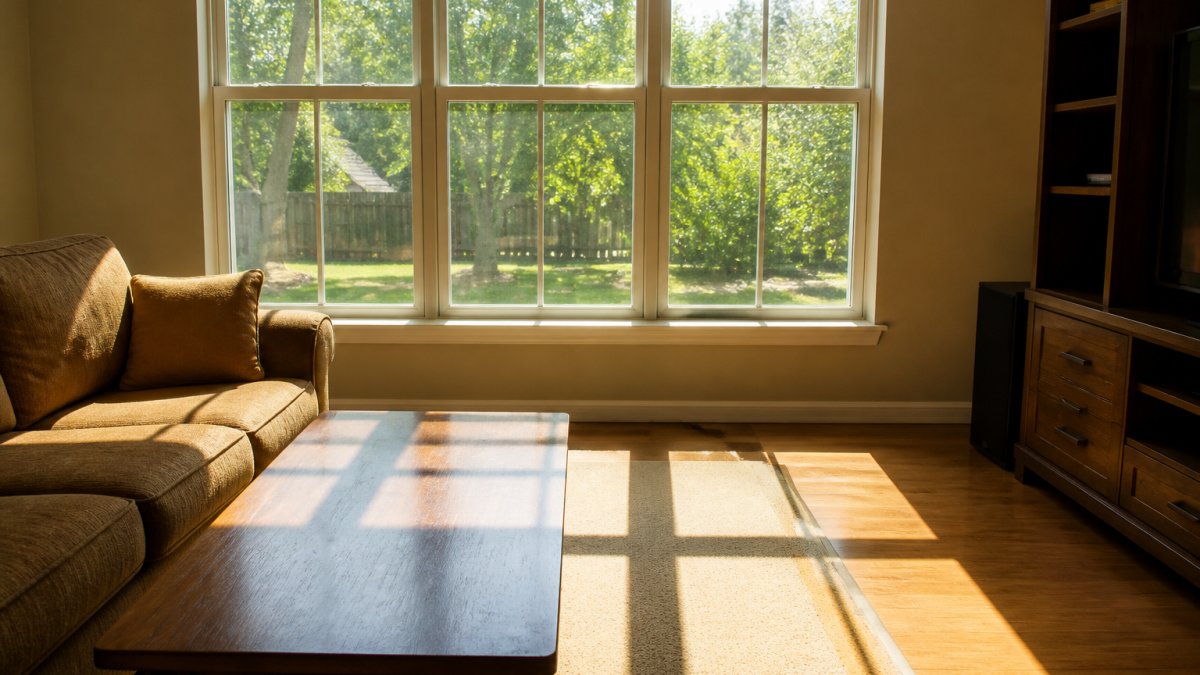
When sunlight enters through windows, it can contribute to indoor heat.
Window film reduces solar heat gain by reflecting and absorbing infrared radiation before it crosses the glass. Quality residential films block 50-80% of solar heat, depending on the film type and thickness. Learn how to choose the best window tint for your climate and needs. This keeps interior temperatures lower and reduces the workload on your air conditioning system.
- Solar control films: Designed specifically to block heat while maintaining clarity. Best for maximum cooling savings.
- Reflective films: Mirror-like appearance that bounces heat away. High performance but changes window aesthetics.
- Tinted films: Darker appearance that absorbs heat. Moderate performance with privacy benefits.
- Low-E films: Thin, nearly invisible coating that blocks infrared. Works year-round for heating and cooling.
You can learn more about the installation process in our guide on professional window tinting.
Different window film types offer varying levels of heat blocking and aesthetic trade-offs.
| Film Type | Heat Blocked | Best For | Key Characteristic |
|---|---|---|---|
| Solar control films | 50-80% of solar heat | Maximum cooling savings | Maintains clarity |
| Reflective films | 50-80% of solar heat | High performance | Mirror-like appearance |
| Tinted films | 50-80% of solar heat | Moderate performance | Darker appearance, privacy |
| Low-E films | 50-80% of solar heat | Year-round use | Nearly invisible coating |
Factors That Affect Your Energy Savings
Not every home sees the same energy bill reduction. Several variables determine how much window tinting will lower your cooling costs.
Climate matters most.
Window orientation affects results.
Existing window quality shapes the baseline.
Your thermostat settings influence the outcome.
Shading from trees and structures reduces the sun's impact on windows. Shading from trees and structures reduces the sun's impact on windows.
Season and duration of heat matter too.
Window Tinting Pros and Cons for Homes
Window tinting delivers clear benefits for energy efficiency and comfort. But it also comes with trade-offs worth considering before installation.
Pros:
- Reduces cooling costs during hot months by lowering HVAC workload
- Blocks harmful UV rays (the EPA)
- Cuts glare
- Improves privacy
- Protects interior surfaces from sun damage
- Durable, quality films last 10-15 years with proper installation
Cons:
- Darkens rooms slightly, depending on film type chosen
- Reduces outward visibility at night when interior lights are on
- Professional installation is available.
- Initial cost is significant, though long-term savings offset the investment
- Some film types reflect sunlight, which may affect neighborhood aesthetics
- Winter heating benefits are minimal in most climates
Privacy and UV protection are benefits to consider. For a deeper look at privacy benefits and additional home tinting advantages, see our complete guide.
Discuss your concerns about natural light and glare with your installer.
Home Window Film Cost and ROI
For current pricing, request a quote from Coral Tint.
What drives the installed price:
- Film grade. Entry-level dyed or tinted films cost the least per square foot. Mid-grade solar-control and ceramic films cost more. High-performance low-E and spectrally selective films sit at the top of the range.
- Window count and square footage. Most installers price per square foot, with a minimum job charge. A whole-house job on 20 windows is priced very differently from three west-facing windows.
- Glass type and access. Floor-to-ceiling glass, skylights, French doors, and second-story windows that require ladders or scaffolding add labor.
- Removal of old film. If existing film must be stripped first, expect an added charge.
- Warranty terms. Films backed by a manufacturer's lifetime residential warranty typically cost more than builder-grade products.
A common pattern in the market is a broad installed range from roughly $6 to $12 per square foot for standard solar-control film, with premium ceramic and low-E products running higher. A typical single window of about 15 square feet therefore lands somewhere in the low-to-mid hundreds of dollars installed, and a whole-house project on 20 windows commonly falls in the low thousands. Treat these as planning ranges, not quotes: get two or three written estimates for your actual window schedule.
Worked payback example.
Where the ROI actually comes from. Coral Tint's window tinting services can help reduce heat and glare, block harmful UV rays, improve privacy, and protect interiors from fading.
When the numbers favor waiting or skipping. Consider your goals for heat and glare reduction, UV protection, and privacy when deciding whether to request a quote.
DOE guidance on window attachments and solar heat gain
Using a Window Film Energy Savings Calculator
The method below is an estimate based on assumptions, not a quote from Coral Tint.
Step 1: Isolate your cooling cost.
Step 2: Estimate the solar load on the glass you plan to tint.
Step 3: Apply a film performance factor.
Step 4: Convert to dollars and check payback.
Worked example.
Account for the heating season.
Validate with a before-and-after comparison.
Film reduces cooling demand through treated glass, not your entire electric bill. Estimate the glass-related share of cooling cost, apply the SHGC reduction, then subtract any winter heating penalty. That gives a defensible savings figure and a realistic payback period. ::: Broadening this focus beyond window treatments helps homeowners reduce electric bills by addressing other thermal inefficiencies throughout the building envelope.
degree day data from the National Weather Service
Getting Professional Window Tinting Installation
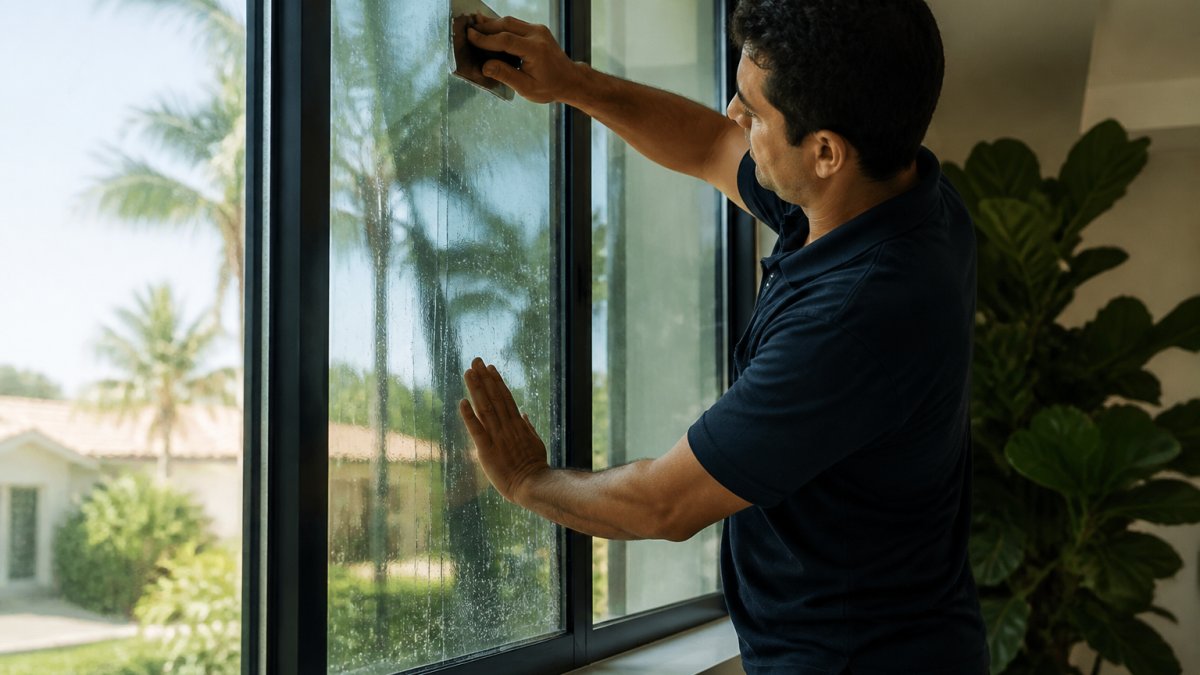
Coral Tint provides professional window tinting installation.
Quality installation includes:
- Precise measurement of each window
- Thorough cleaning to remove dust and debris
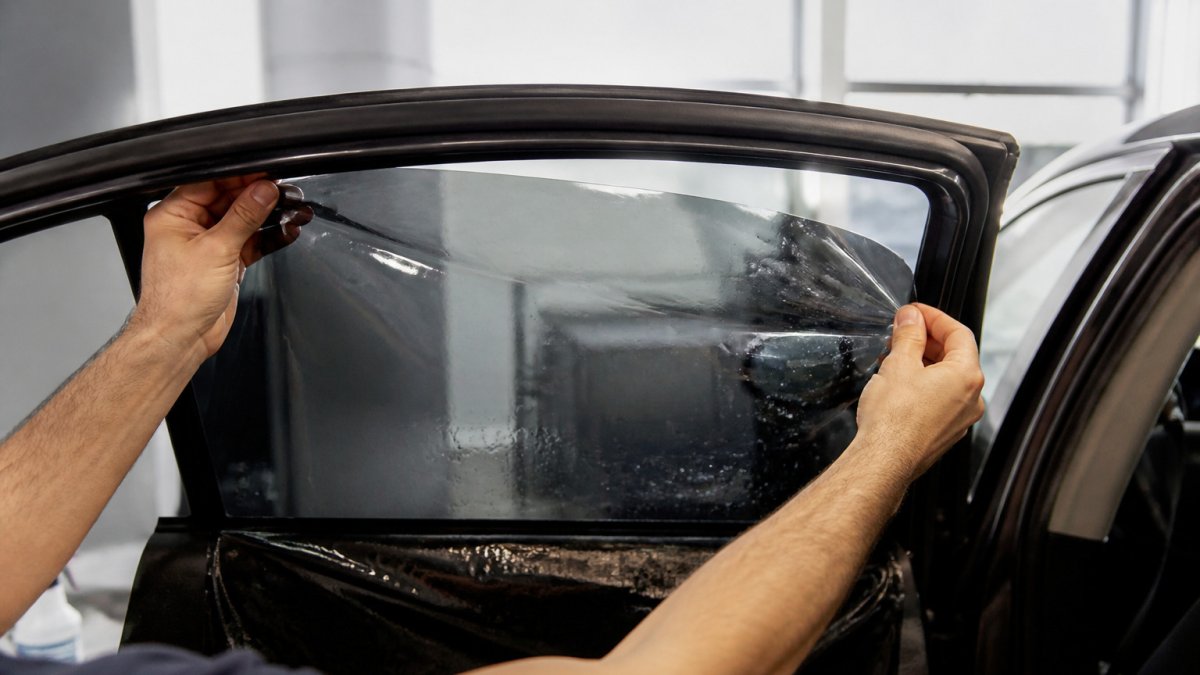
- Careful film application with proper tension and alignment
- Trimming edges for clean, professional appearance
- Curing time before windows are exposed to heat or moisture
Coral Tint offers a nationwide lifetime warranty. Learn more about professional installation and what to expect in our detailed installation guide.
Coral Tint is a family-owned and locally operated business serving South Florida since 1995.
Frequently Asked Questions
Does window tinting really reduce electric bills?
Coral Tint's window tinting services can help reduce heat and glare, block harmful UV rays, improve privacy, and protect interiors from fading.
What are the main pros and cons of residential window tinting?
Coral Tint's window tinting services can help reduce heat and glare, block harmful UV rays, improve privacy, and protect interiors from fading. Contact Coral Tint to discuss your project.
How long does it take for home window film to pay for itself?
For current pricing, request a quote from Coral Tint.
Can window tinting be applied to any type of home window?
Contact Coral Tint to discuss your home's window tinting needs.
Window tinting is a practical way to reduce cooling costs, improve comfort, and protect your home's interior. The investment pays dividends through lower electric bills, reduced glare, and UV protection. If you're ready to explore whether window tinting makes sense for your home, contact Coral Tint for a professional assessment and quote. We'll evaluate your windows, estimate your potential savings, and help you choose the right film type for your needs and budget.