 how-to
Book Professional Window Tinting: A Complete Guide
Last Updated: October 23, 2026
Quick Summary
Book professional window tinting to protect your vehicle, home, or business with durable, high-performance film installed by experienced technicians who ensure proper adhesion, legal VLT compliance, and long-lasting results without bubbles, creases, or premature peeling.
- Ceramic film lasts longest and rejects the most infrared; carbon balances performance and cost; dyed film is most affordable but fades quickly.
- Professional automotive tinting costs roughly $150-$400 for dyed, $250-$500 for carbon, and $400-$800+ for ceramic depending on vehicle size.
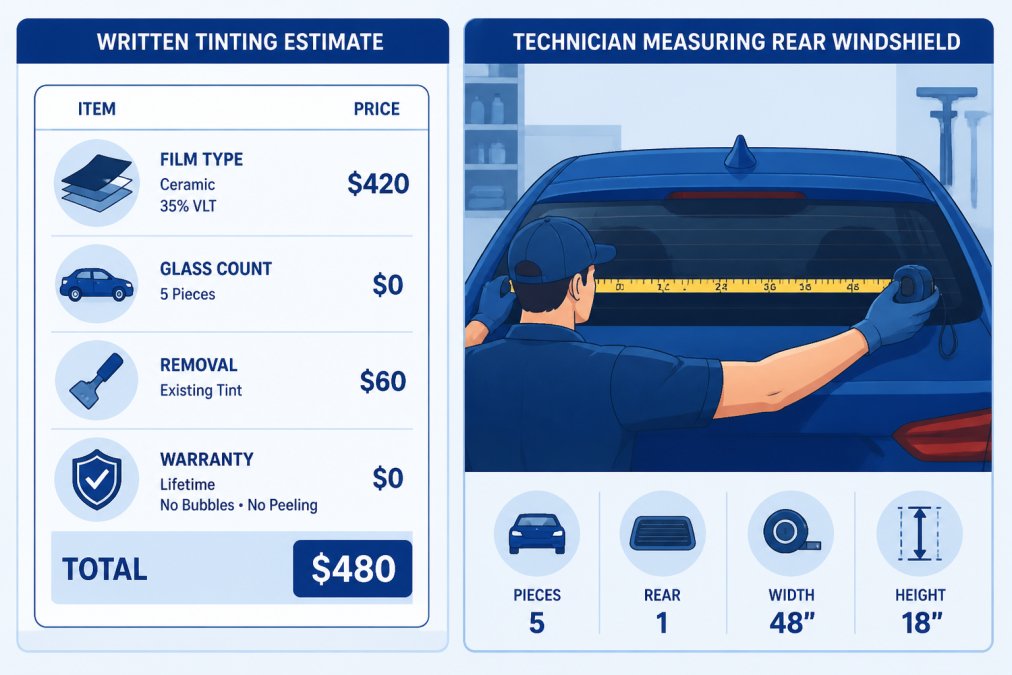
- A transparent estimate should itemize film cost, labor, old-film removal, trip charges, film brand, VLT percentage, and warranty terms in writing.
- Proper curing takes time; do not roll down windows or wash tinted glass until the adhesive fully sets.
- Reputable installers provide written aftercare instructions and back their work with warranties covering bubbling, peeling, and discoloration.
Table of Contents
- Why Book Professional Window Tinting Service
- Understanding Window Tint Film Types and Options
- Professional Window Tinting Cost: What to Expect
- Questions to Ask a Window Tint Installer
- How Long Does Window Tinting Last
- Window Tint Warranty: Protection and Coverage
- Steps to Book Your Window Tinting Appointment
- Common Mistakes to Avoid When Booking Tinting Services
- Frequently Asked Questions
Why Book Professional Window Tinting Service
When you book professional window tinting service, you protect your vehicle, home, or business for years. The difference between DIY and expert installation isn't appearance, it's durability, performance, and safety compliance.
Professional installers know how films perform in different climates, the legal VLT limits for your vehicle, and how to apply tint without bubbles, creases, or premature peeling. At Coral Tint, we've protected South Florida interiors since 1995.
A properly installed ceramic film blocks UV rays, reduces heat, and stays clear for years; poor installation fails quickly.
Understanding Window Tint Film Types and Options
Three main film types dominate the market, and your choice depends on your priorities: budget, heat rejection, durability, or a combination of all three.
Dyed Film
Dyed film is the most affordable option: a dye layer between adhesive and a protective outer layer absorbs solar heat and reduces glare.
The trade-off: dyed film typically fades in intense sun and rejects less infrared than ceramic, best for temporary protection or vehicles you plan to replace soon.
Carbon Tint
Carbon film suspends carbon particles in the adhesive layer, dissipating heat better than dyed film. It fades more slowly and rejects more infrared without interfering with radio or phone signals.
Carbon strikes a middle ground: better performance than dyed, lower cost than ceramic, with excellent clarity and solid UV blocking against interior fading.
Ceramic Film
Ceramic film is the premium tier: ceramic particles deliver exceptional infrared rejection and heat reduction with superior optical clarity and color stability.
Ceramic performs best in extreme climates and suits anyone prioritizing long-term value. The higher upfront cost is offset by longevity, when you book professional window tinting with ceramic film, you invest in long-lasting protection.
The three main film types offer different balances of cost, performance, and durability.
| Film Type | Best For | Key Difference |
|---|---|---|
| Dyed | Budget and temporary protection | Most affordable; fades in intense sun |
| Carbon | Balance of performance and cost | Better heat rejection than dyed; no signal interference |
| Ceramic | Extreme climates and long-term value | Premium tier; exceptional infrared rejection and clarity |
Professional Window Tinting Cost: What to Expect
Pricing for professional window tinting is driven by four variables; understanding them lets you sanity-check any estimate before you book professional window tinting service.
1. Film type. Dyed is entry tier, carbon middle, ceramic premium.
2. Glass count and geometry. Automotive pricing is quoted per window or as a full-vehicle package; curved rear windshields, quarter glass, and sunroofs add labor.
**3.
4. Access and prep. Mobile service carries a trip charge in most markets; shop installation is usually cheaper but requires drop-off.
Typical U.S. Price Ranges
These are commonly reported market ranges, not a quote for your specific job:
- Automotive, full vehicle: roughly $150-$400 for dyed film, $250-$500 for carbon, and $400-$800+ for ceramic, depending on vehicle size and glass count.
- Automotive, front two windows only: roughly $60-$150 depending on film tier.
- Old film removal: roughly $10-$25 per automotive window, more for adhesive-heavy or failed film.
- Residential: commonly $5-$12 per square foot installed, with ceramic at the top of that band and decorative or security film priced separately.
- Commercial: scales with square footage and access; large projects are usually bid per square foot after a site walk.
What a Transparent Estimate Should Itemize
When you book professional window tinting service, the estimate should itemize film cost, labor, old-film removal, mobile or trip charges, and hardware removal, plus the film brand, your VLT percentage, and warranty terms in writing. A lump sum over the phone is a blind purchase.
Why Quality Installation Justifies the Price
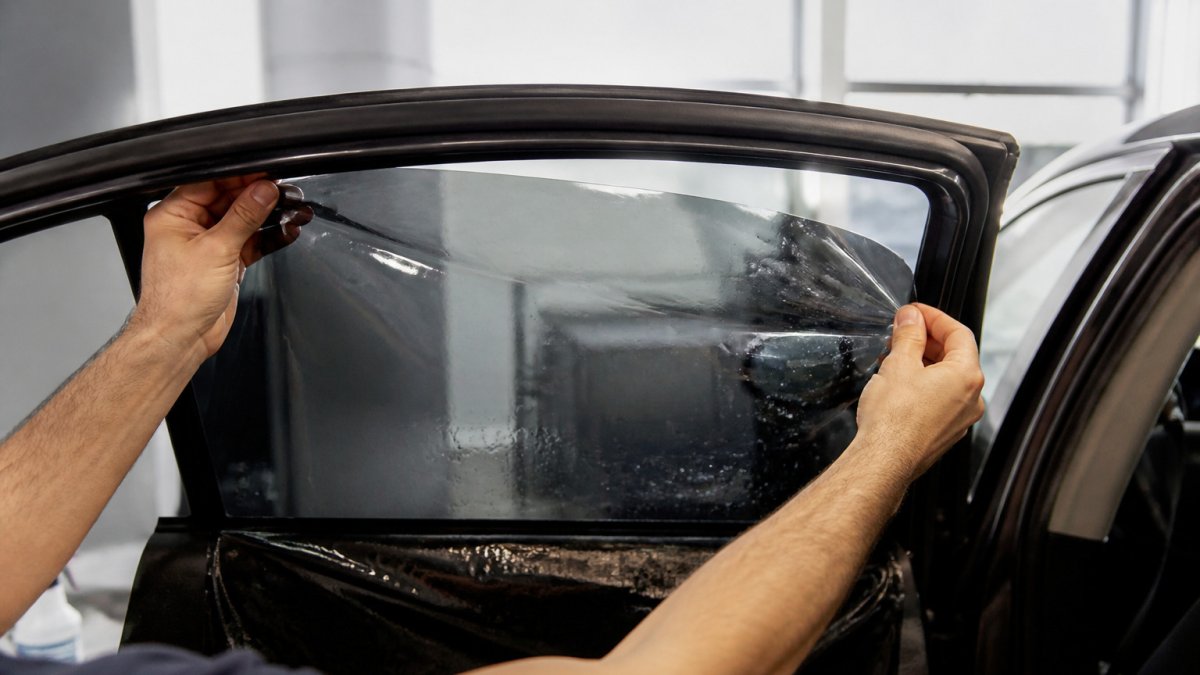
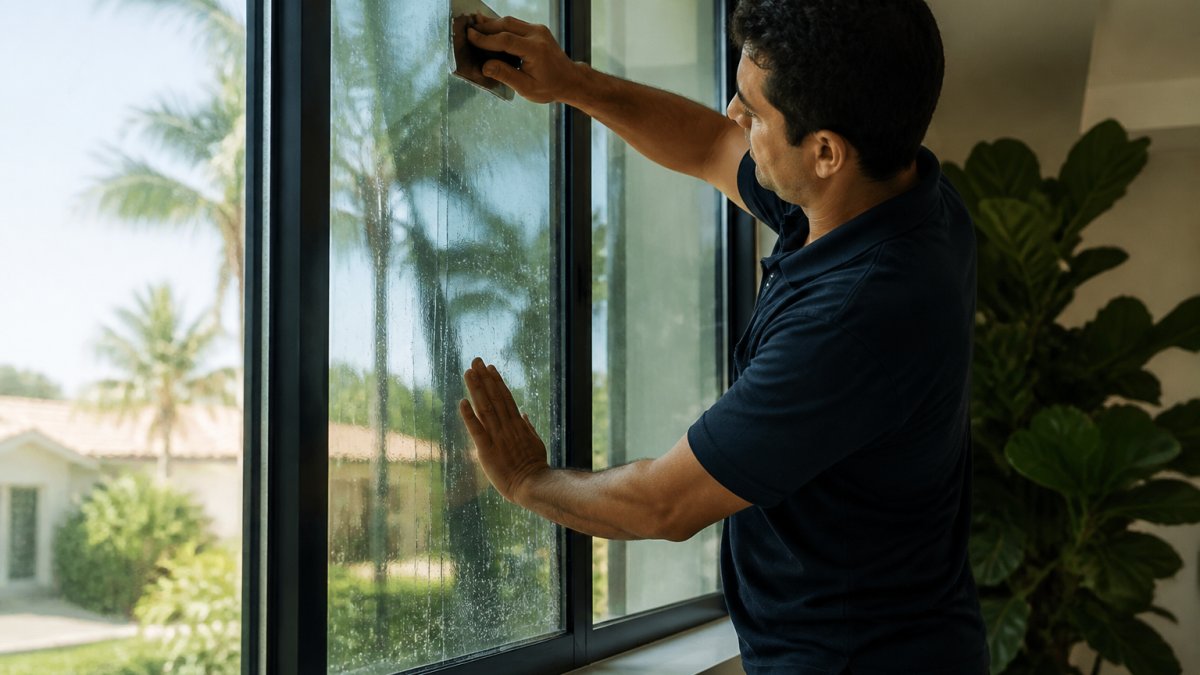
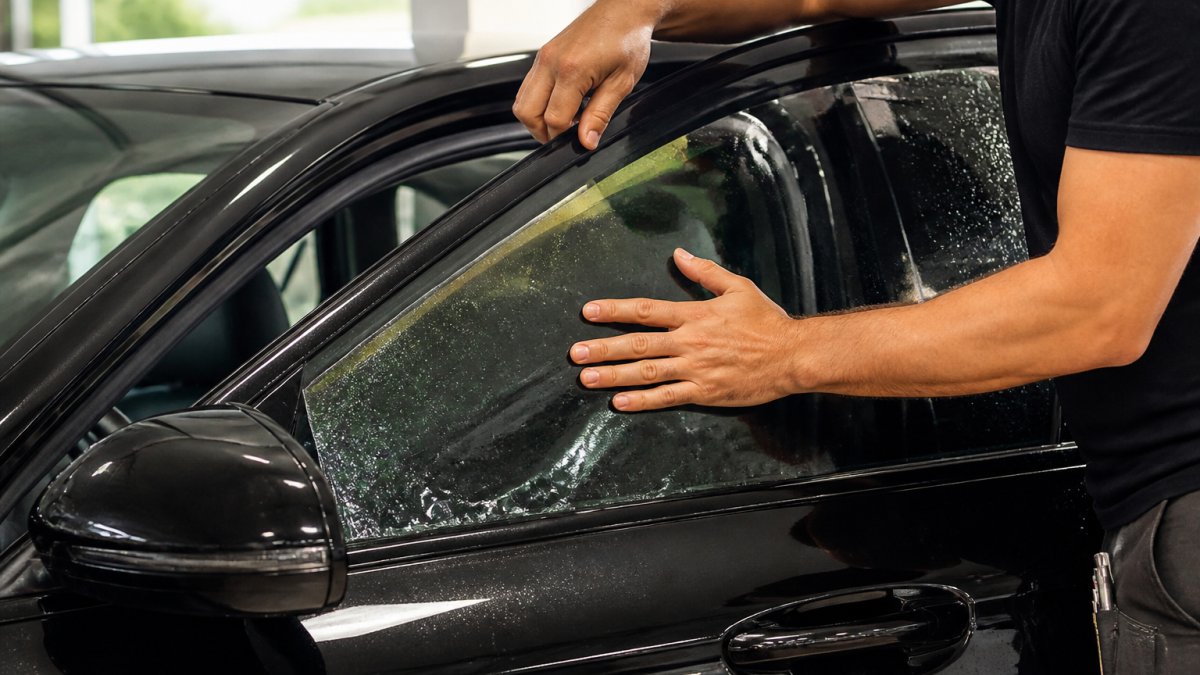
A professional works in a controlled environment, preps glass properly (razor scrape, slip solution, squeegee passes), and respects the curing window. Those steps prevent the bubbling, peeling, and purple discoloration of amateur jobs, the difference between a decade of life and failure in a year.
Questions to Ask a Window Tint Installer
Before you book professional window tinting, ask these questions:
What film brand and type do you recommend for my situation? A good installer explains why ceramic, carbon, or dyed fits your climate and priorities.
What's your warranty coverage? Reputable shops back their work with warranties on materials and labor.
How long does installation take? Residential projects depend on window count.
What's your glass prep process?
Do you have references or before-and-after photos? Ask to see work similar to what you need.
What maintenance should I do after installation? Quality installers provide aftercare instructions that significantly extend film life.
How do you handle mistakes or quality issues? A professional stands behind their work with a clear process for addressing concerns.
How Long Does Window Tinting Last
Lifespan depends primarily on film type and installation quality. Carbon often performs for many years with proper care; ceramic can last for a long time.
Installation quality directly affects longevity.
Environment matters too: intense UV, extreme temperature swings, and salt air accelerate degradation, so even premium ceramic fades faster in harsh climates.
Maintenance extends film life, gentle cleaning preserves the protective coating. How long does window tinting last depends on these variables.
Window Tint Warranty: Protection and Coverage
What's typically covered? Bubbling, peeling, and discoloration, the installer replaces the film if it fails prematurely due to defects or installation error.
What's not covered? Normal fading from extended UV exposure, damage from accidents or vandalism, and problems caused by improper maintenance are usually excluded.
A reputable installer like Coral Tint backs their work with a nationwide lifetime warranty. When you book professional window tinting with warranty protection, you're protected against premature failure.
Steps to Book Your Window Tinting Appointment
Step 1: Choose Your Film Type and VLT Percentage
Start by deciding which film type aligns with your needs and budget. Dyed film offers affordability. Carbon provides a balance of performance and cost. Ceramic delivers maximum heat rejection and longevity.
Next, select your VLT percentage, the amount of visible light that passes through the tinted film. Lower VLT percentages (5-20%) create darker tint; higher percentages (50-70%) allow more light through. Your choice depends on personal preference and legal limits. Verify regulations before you book professional window tinting service.
Step 2: Get a Service Estimate
Contact a professional window tinting installer and describe your project. Provide details: vehicle make and model, number of windows, or building square footage for residential/commercial work.
A good installer asks clarifying questions about your priorities. Are you focused on heat reduction, privacy, or automotive styling? Do you want ceramic film for maximum longevity or carbon for better value?
Most installers provide estimates quickly, either in person or via phone consultation. The estimate should itemize film cost, labor, old-film removal, mobile or trip charges, and any additional services.
Step 3: Schedule Your Installation
Once you've selected your installer and film type, book your appointment. Professional shops typically offer flexible scheduling to accommodate your availability.
Confirm the appointment details: date, time, location, and what you need to prepare. Ask if you should drop off your vehicle or if they come to you. Some installers offer mobile service, coming to your home or business.
Clarify payment terms and methods. Confirm whether you pay before or after installation, and ask whether a deposit is required to hold the slot. Ask about the cancellation and reschedule policy.
Step 4: Prepare for Your Appointment
Before installation day, prepare your vehicle or property. For automotive tinting, remove personal items from the car, clean the exterior so the installer can work without grit, and park in a location where the installer has easy access and shade if possible.
For residential or commercial tinting, ensure windows are accessible. Move furniture or obstacles if needed. Let the installer know if any windows are difficult to reach or have unusual shapes, and confirm whether they need power or water access on site.
Step 5: Respect the Curing Period and Aftercare
After installation, the adhesive needs time to set. Curing takes time for the adhesive to set. During curing:
- Do not roll down tinted automotive windows.
- Do not wash the tinted glass or use ammonia-based cleaners.
- Expect a slight haze or small water pockets, these usually disappear as the film cures.
- Park in the sun when safe to do so; gentle heat helps the adhesive set.
Once cured, clean tinted glass with a soft microfiber cloth and an ammonia-free cleaner. Avoid abrasive pads, scrapers, and harsh chemicals. Ask your installer for their written aftercare sheet, a shop that hands one over is a shop that expects its work to last.
Signs the Install You Booked Was Done Right, or Wrong
After the curing period, inspect the work. A quality install has uniform color, no visible seams on a single pane, and no trapped debris. Warning signs include large bubbles that persist past curing, peeling edges, a purple or hazy cast, and film that lifts when you run a fingernail along the edge. If you see these, contact the installer before the warranty window closes.
Common Mistakes to Avoid When Booking Tinting Services
Choosing the cheapest option often leads to regret.
Ignoring legal VLT limits is a costly mistake. Installing illegal tint risks fines and forced removal.
Skipping the warranty details leaves you unprotected.
Not asking about aftercare instructions compromises film longevity. Proper maintenance extends the life of your tint significantly.
Choosing film based on appearance alone ignores performance.
Rushing the decision without comparing options limits your choices.
Protecting your vehicle, home, or business from sun damage requires the right film and expert installation.
Frequently Asked Questions
How much does it cost to book professional window tinting service?
Pricing for professional window tinting depends on the type of film you choose, the number of windows, and whether you're tinting an automotive, residential, commercial, or marine application. For an accurate quote, contact your local professional installer and provide details about your specific project. Many providers offer service estimates.
How long does window tinting last after professional installation?
Professional window tinting lasts for many years, depending on the film quality, installation expertise, and environmental exposure. Many professional installers, including Coral Tint, back their work with a lifetime warranty, which protects against defects like peeling, bubbling, or discoloration. Proper maintenance and following aftercare instructions can extend the lifespan of your tint.
What questions should I ask a window tint installer before booking?
Ask about the film type and VLT percentage they recommend for your needs, whether they offer a lifetime warranty, how long the installation takes, what the curing time is before you can roll down windows, and if they have experience with your specific application (automotive, residential, commercial, or marine). Also inquire about their glass prep process, whether they use precision-cut film, and what maintenance instructions they provide. Request references or examples of their previous work to verify installation quality.
What window tint warranty should I expect from a professional installer?
A professional window tinting service offers a warranty that covers defects such as peeling, bubbling, fading, or discoloration. This warranty protects your investment and reflects the installer's confidence in their workmanship and film quality. Before booking, confirm the warranty terms in writing, including what is covered and any conditions you must meet (such as following aftercare instructions).