 how-to
How to Reduce Heat in Car: 7 Methods That Work
Table of Contents
- Why Your Car Gets So Hot and Why It Matters
- How to Cool Down a Hot Car Quickly: The Immediate Steps
- How to Make Car Air Conditioning Colder and More Efficient
- Do Sun Shades Keep Cars Cooler: Comparing Shade Solutions
- Car Window Tint for Heat Reduction: Long-Term Protection
- Preventing Engine Overheating: Know the Difference
- Combining Methods for Maximum Heat Reduction
- Frequently Asked Questions
Last Updated: October 21, 2026
Why Your Car Gets So Hot and Why It Matters
A parked car can reach dangerous interior temperatures in just 30 minutes on a warm day.
Understanding how to reduce heat in car is essential for protecting both your vehicle and anyone inside it.
The difference between a hot cabin and engine overheating is critical. Most people confuse these two problems, but they require different solutions. A hot cabin is uncomfortable but manageable.
How to Cool Down a Hot Car Quickly: The Immediate Steps
When you return to a scorching vehicle, you need relief fast. The first few minutes matter most. Your goal is to flush out the trapped hot air and replace it with cooler air from outside.
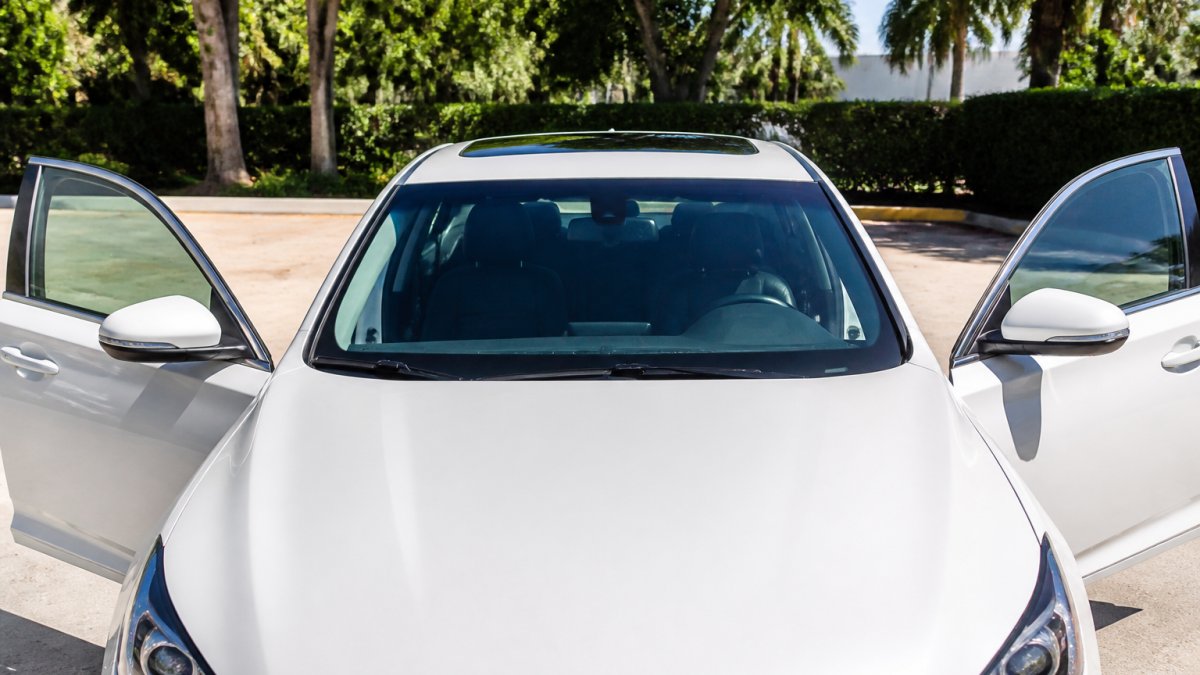
Step 1: Open Doors and Windows Safely
Start by opening all four doors for 15-20 seconds. This allows the hottest air to escape quickly. Then roll down all windows fully and leave the doors open while you walk around the vehicle.
Never leave children or pets inside while doing this. The heat is dangerous for anyone trapped in the cabin.
After the initial flush, you can close the doors and keep windows down as you drive. This creates airflow through the cabin.
Step 2: Turn On the Air Conditioning Correctly
Start your engine and immediately set the air conditioning to the coldest setting. Point all vents toward the cabin, not the floor.
Set the fan to high speed. Keep the windows down for the first minute. This lets hot air escape while cool air enters.
Do not use recirculated air mode initially. Fresh air from outside is cooler than recirculating the hot cabin air. Switch to recirculation only after the cabin reaches a comfortable temperature.
Step 3: Use Ventilation to Move Hot Air Out
The ventilation setting (often marked with a fan icon) pulls outside air through the cabin without cooling it. This is useful on cooler days or when you want to reduce humidity without blasting cold air.
On extremely hot days, ventilation alone won't cool your car. But combining ventilation with open windows for the first minute creates powerful airflow.
Once the cabin cools to around 80°F, switch to air conditioning mode to finish the job.
How to Make Car Air Conditioning Colder and More Efficient
Your air conditioning system loses efficiency over time. Regular maintenance keeps it working at peak performance. A well-maintained A/C system cools your cabin in half the time compared to a neglected one.
Check Your A/C System and Refrigerant Levels
Refrigerant is the fluid that makes air conditioning work. Low refrigerant levels are the most common reason A/C systems fail to cool properly.
Have a professional check your refrigerant levels annually. This is especially important if you live in a hot climate or use your A/C frequently.
Also check your cabin air filter. A clogged filter restricts airflow and reduces cooling efficiency. Replace it every 12,000 to 15,000 miles. A clean filter improves A/C performance noticeably.
Adjust Your A/C Settings for Maximum Cooling
Set your A/C to the coldest temperature available. Lower settings don't make the system work harder, they just waste energy by cooling more than necessary.
Use the highest fan speed when the cabin is extremely hot. Lower fan speeds are better for fuel efficiency once the cabin reaches your target temperature.
Point vents upward and outward, not at your face or feet.
Troubleshoot Common A/C Problems
If your A/C runs but blows warm air, check these issues first:
- Refrigerant levels are low (most common issue)
- Cabin air filter is clogged (restricts airflow)
- Compressor clutch is disengaged (electrical issue)
- Condenser fins are blocked by debris
Most of these require professional diagnosis. A mechanic can identify the problem in minutes and recommend repairs. Ignoring A/C problems makes them worse and more expensive to fix.
Do Sun Shades Keep Cars Cooler: Comparing Shade Solutions
Yes, sun shades reduce interior heat significantly. They block solar radiation before it enters your cabin. The most effective shades block 40-60% of the sun's heat, depending on the material and darkness level.
Sunshades and Window Visors
Sunshades are reflective barriers you place on your windshield or side windows. They work immediately and require no installation. Roll-up shades are portable, you can move them between vehicles or remove them when not needed.
Window visors are permanent attachments that deflect rain and sun. They're less effective than sunshades at blocking heat but don't require manual installation each time you park. Visors work best combined with other cooling methods.
Both options have trade-offs:
- Sunshades: highly effective, portable, but you must install and remove them manually
- Visors: convenient, always in place, but less heat reduction than sunshades
- Combination: use sunshades on the windshield and visors on side windows for maximum protection
Parking in Shade vs. Using a Sunshade
Parking in the shade is the single most effective way to reduce heat in car.
When shade isn't available, a sunshade becomes essential. The difference is dramatic. A shaded car's interior stays near outdoor temperature.
The best approach combines both:
- Park in shade whenever possible
- Use a sunshade when shade isn't available
- Add window tint for permanent heat protection
Many people find that combining these methods eliminates the need to cool down their car for extended periods. You enter a vehicle that's already manageable, not dangerously hot.
Car Window Tint for Heat Reduction: Long-Term Protection
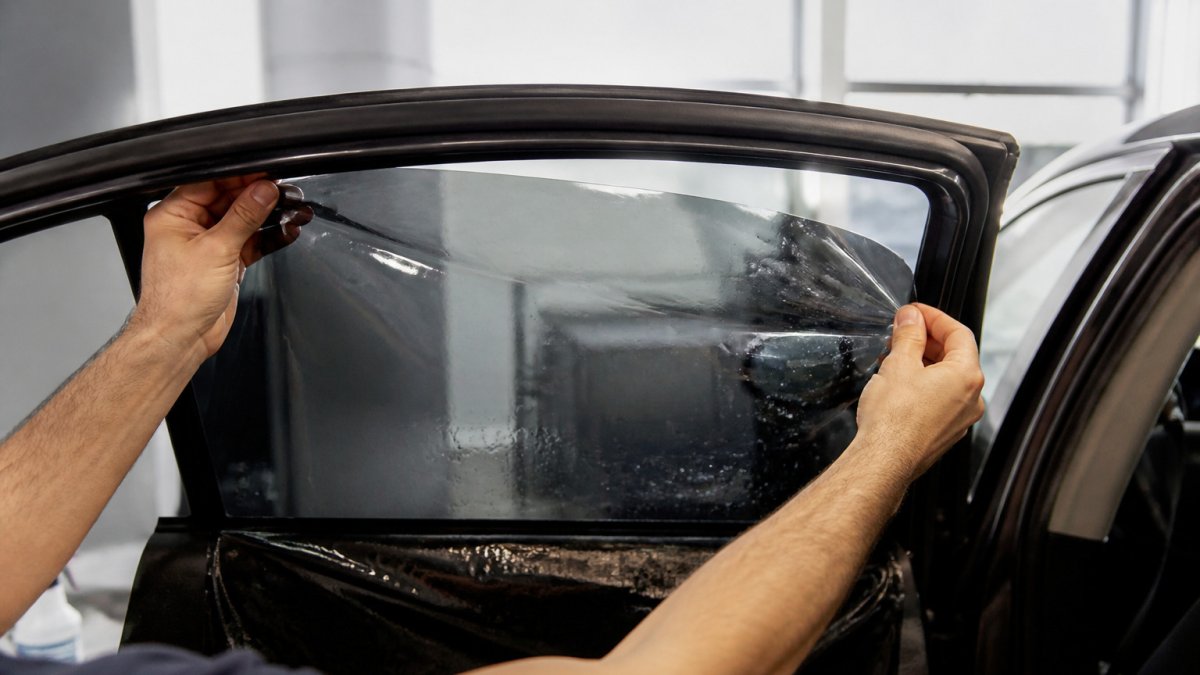
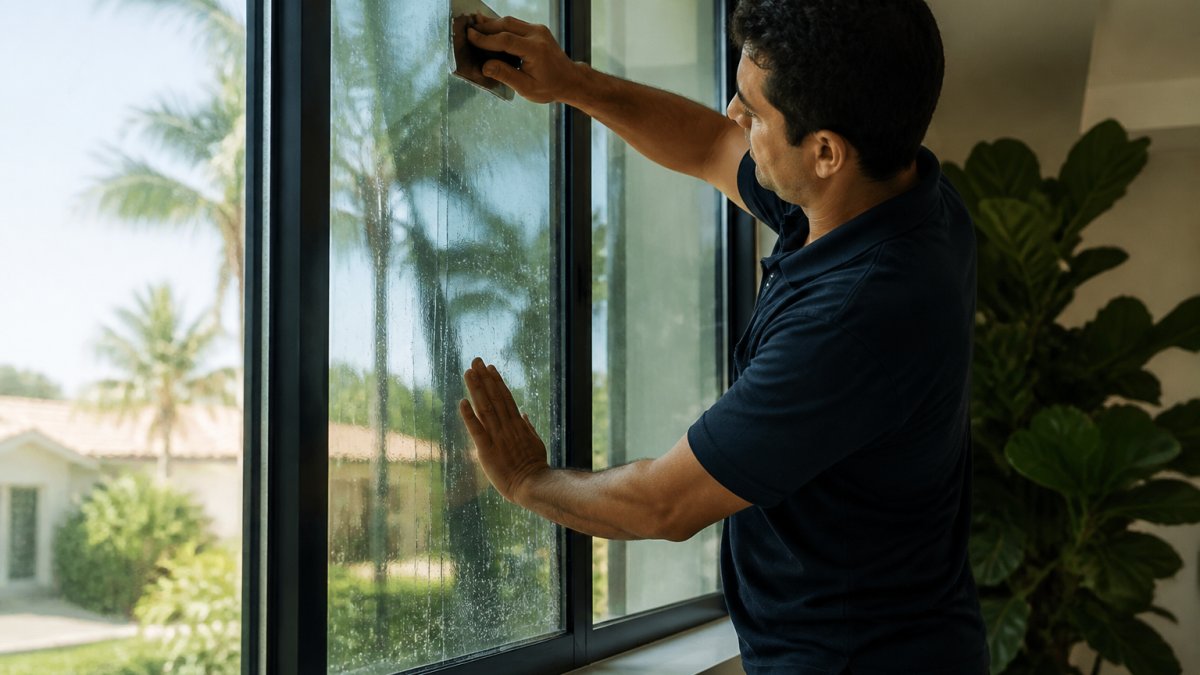
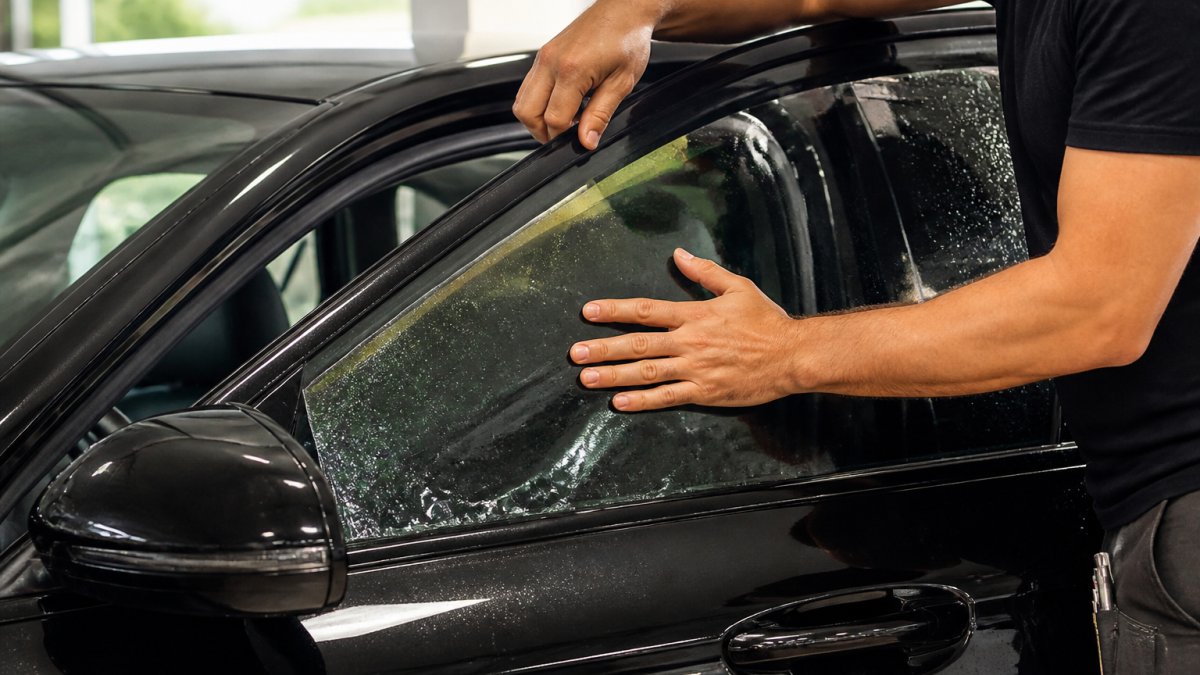
Window tint is a permanent film applied to your windows that blocks solar heat year-round. Unlike sunshades, tint stays on your car. It protects your interior continuously, whether you're parked or driving.
How Window Tint Blocks Solar Heat
Tint works by absorbing and reflecting solar radiation before it passes through the glass. Different tint materials use different methods.
Quality tint blocks 50-70% of solar heat depending on the tint darkness level. This is far more effective than sunshades alone.
Tint also blocks harmful ultraviolet rays that fade upholstery, crack leather, and damage dashboard materials. This protection is permanent and doesn't degrade over time like sunshades do.
Tint Darkness Levels and Cooling Performance
Tint darkness is measured as a percentage of light that passes through the film. A 70% tint (also called 70 VLT) blocks 30% of light.
Darker tint blocks more heat but reduces visibility. Most states regulate how dark you can tint your front windows, typically 70% is the legal maximum.
For maximum heat reduction, use the darkest legal tint on all windows. This provides the best balance between cooling performance and visibility.
Professional installation ensures the tint adheres properly and lasts for years. At Coral Tint, we use precision-cut films and expert installation techniques that guarantee your tint won't bubble, peel, or fade.
Preventing Engine Overheating: Know the Difference
Many people confuse a hot cabin with engine overheating. These are completely different problems requiring different solutions. Understanding the difference keeps you safe.
Cabin Heat vs. Engine Overheating
Cabin heat is the temperature inside your vehicle. It results from solar radiation entering through windows and being trapped by the greenhouse effect. A hot cabin is uncomfortable but doesn't damage your engine.
Engine overheating is a mechanical problem where your engine's coolant temperature exceeds safe levels. This damages engine components and can cause permanent failure. An overheating engine is a serious issue requiring immediate attention.
Signs of cabin heat:
- Interior feels hot to the touch
- Steering wheel and seats are uncomfortable
- Dashboard is warm
Signs of engine overheating:
- Temperature gauge reads in the red zone
- Steam comes from under the hood
- Engine performance drops or vehicle won't accelerate
- Warning light on dashboard
What to Do If Your Engine Is Overheating
If your engine overheats while driving, pull over immediately in a safe location. Turn off the air conditioning to reduce engine load.
Do not open the radiator cap. The coolant is extremely hot and pressurized. Opening the cap can cause severe burns.
Let the engine cool for at least 15 minutes. Once cooled, check the coolant level when the engine is cold.
If your engine overheats repeatedly, have a mechanic diagnose the problem. Common causes include:
- Low coolant level
- Failing thermostat
- Broken water pump
- Clogged radiator
These issues require professional repair. Ignoring them leads to engine failure and expensive repairs.
Combining Methods for Maximum Heat Reduction
The most effective approach uses multiple cooling strategies together. Each method addresses different aspects of the heat problem.
Start with prevention: park in shade and use window tint.
When you return to your car, use immediate cooling: open doors and windows, then turn on the A/C.
For long-term protection, invest in professional window tint.
Here's how these methods work together:
| Method | Installation | Ongoing Use | Best For |
|---|---|---|---|
| Parking in shade | None | Free | Preventing initial heat buildup |
| Sunshade | Manual, 2 minutes | Must remove/install | Temporary heat reduction |
| Window tint | Professional, 1-2 hours | Permanent | Year-round protection |
| A/C maintenance | Annual inspection | Regular use | Cooling efficiency |
| Open windows | None | Immediate | First-minute heat release |
Combining shade parking with professional window tint eliminates most heat problems. Your cabin stays cool naturally, and your A/C works less hard.
Frequently Asked Questions
Does window tint actually help reduce heat in a car?
Yes. Window tint blocks a significant portion of solar radiation before it enters your vehicle, reducing cabin temperature by 10-20 degrees Fahrenheit on hot days. Professional-grade tint films reject infrared heat while allowing visible light through. The effectiveness depends on tint darkness level and film quality. Combining tint with other cooling methods like air conditioning and shade parking provides the best results.
How can I cool down my car quickly when it's been sitting in the sun?
Open all doors and windows immediately to release trapped hot air. Turn on the air conditioning at full blast with the fan on recirculate mode, and point vents toward the ceiling to push hot air upward and out. After 2-3 minutes, switch the A/C to bring in outside air. This combination cools the cabin fastest. Avoid touching the steering wheel or seats until they cool down to prevent burns.
Is parking in shade better than using a sunshade?
Parking in shade is more effective because it prevents solar heat from entering the vehicle in the first place. A shaded parking spot can keep interior temperatures 15-25 degrees cooler than direct sun. If shade is unavailable, a quality sunshade blocks 50-70% of incoming solar heat and is portable for any parking situation. For maximum protection, combine shaded parking with a sunshade and window tint.
What should I do if my car's engine is overheating?
Pull over safely and turn off the air conditioning immediately. Turn on the heater at full blast to transfer engine heat away from the engine block. Allow the engine to idle for several minutes. Do not open the radiator cap while hot. If the temperature gauge remains in the red zone, turn off the engine and wait 15-20 minutes before checking coolant levels. Contact a mechanic if overheating continues. This is different from a hot cabin and requires immediate attention.
Protecting your car from excessive heat requires both immediate tactics and long-term solutions. The methods we've covered work best when combined. Professional window tint from Coral Tint provides permanent heat reduction, UV protection, and improved privacy, all backed by our nationwide lifetime warranty. Request a quote today to see how tint can transform your driving comfort and protect your vehicle's interior from sun damage.