 how-to
Window Tinting for Privacy at Home: A Complete Guide
Table of Contents
- Understanding Window Tinting for Privacy at Home
- Types of Residential Window Film
- Window Film Privacy at Night: What to Expect
- Room-by-Room Privacy Selection Guide
- How to Install Window Film
- Beyond Privacy: Heat Reduction, UV Protection, and Energy Savings
- Frequently Asked Questions
Last Updated: October 21, 2026
Understanding Window Tinting for Privacy at Home
Window tinting for privacy at home lets homeowners block outside views while controlling natural light. The concept is simple: apply a thin film to your windows to obscure visibility from outside while managing light entering your living spaces.
Privacy film performs very differently depending on time of day and lighting, and misunderstanding this leads to disappointed expectations and wrong product choices.
Daytime Privacy vs. Nighttime Privacy
Daytime privacy and nighttime privacy are two completely different challenges. During the day, external light is strong. Reflective and opaque films work well because they block the view from outside. At night, interior lights reverse the equation. The inside becomes brighter than the outside, making you visible to anyone looking in.
The practical reality: a film with excellent daytime privacy may offer little to no nighttime protection. Homeowners see it working perfectly in daylight, then discover their bedroom is completely visible at night.
The solution isn't one film. It's understanding which film type handles which scenario, then choosing based on your actual needs.
How Reflective and Opaque Films Work
Reflective film bounces light back outward. During the day, sunlight hits the window and the reflective coating sends it back outside, creating a mirror-like effect from the exterior. From inside, you can usually see out clearly because interior light is lower than external light.
Opaque film blocks light transmission entirely, preventing visibility in both directions because it's designed to be solid. Nothing passes through: not light, not views, not UV rays.
The key difference: reflective film uses light physics, while opaque film uses physical obstruction. Reflective film performs best in high-light conditions; opaque film performs consistently regardless of time of day but blocks more natural light.
Types of Residential Window Film
Residential window film comes in varieties designed for different privacy levels and aesthetics. Choosing the right type depends on your room, privacy goals, and how much natural light you want to preserve.
Privacy Levels: Sheer, Reflective, Opaque, and Blackout
Sheer window film provides minimal privacy but maximum light transmission, typically 5-15% opacity, so you can still see outside clearly.
Reflective film sits in the middle range at 30-50% opacity, creating a mirror-like effect during daylight. It's excellent for daytime privacy, blocking glare, reducing solar heat, and preventing outside views during bright hours.
Opaque film delivers 70-95% opacity, blocking almost all visibility from both sides. It's the choice for bedrooms, bathrooms, and home offices where privacy is the priority.
Blackout film provides nearly 100% opacity, essentially a solid barrier. It's for home theaters, bedrooms where you sleep during the day, or situations where privacy is absolute. Light reduction is substantial: your room becomes quite dark even in daylight.
Frosted Window Film for Privacy
Frosted window film mimics frosted glass without the cost of replacing windows. At 60-80% opacity, it has a clean, professional look and is popular for bathrooms, home offices, and bedrooms because it looks intentional rather than like a temporary privacy fix.
Frosted film looks like a permanent fixture, a deliberate design choice rather than a temporary or industrial fix. This matters if you're concerned about your home's appearance.
Frosted film also performs well for daytime privacy, blocking most visibility while allowing diffused light to enter. You won't see out clearly, but light still comes through, making it a good compromise between privacy and natural light.
Static Cling Window Film
Static cling window film adheres through electrostatic force rather than adhesive, so it's removable without residue. It's ideal for renters, temporary privacy needs, or homeowners uncertain about permanent installation.
The advantage is flexibility: if your privacy needs change, you can remove it and reinstall it elsewhere, with no adhesive residue for rental properties or later removal.
The limitation is durability. Static cling film doesn't last as long as adhesive film and can develop bubbles or peeling, particularly with temperature fluctuations or direct sunlight. For permanent privacy, adhesive film is more reliable.
Window Film Privacy at Night: What to Expect
Window film privacy at night requires honest expectations. Most residential privacy films provide limited nighttime protection because of basic light physics: when interior lights are on and it's dark outside, you become visible to anyone looking in.
Reflective and frosted films lose most of their privacy effectiveness at night. Opaque and blackout films maintain nighttime privacy because they're physically solid, not light-dependent.
Some homeowners combine solutions: reflective film for daytime privacy plus blackout curtains or shades for nighttime. This layered approach gives daytime views with daytime privacy and nighttime privacy when curtains are drawn.
Another option is opaque film in bedrooms and bathrooms while using reflective or frosted film in living spaces, balancing privacy where it matters most with light preservation where it's less critical.
Room-by-Room Privacy Selection Guide
Different rooms have different privacy needs. Choosing the right film for each ensures you get the privacy you need without over-darkening spaces where natural light matters.

Bedrooms and Bathrooms
Bedrooms need strong privacy for changing clothes and sleeping. Opaque or frosted film is the standard choice, providing reliable privacy day and night; the light reduction is acceptable because bedrooms don't require constant outside visibility.
Bathrooms are the same: privacy is essential. Opaque film blocks visibility completely while still allowing diffused light, which is why frosted film is so popular for bathroom windows, looking intentional and providing adequate privacy.
For master bedrooms where nighttime privacy is critical, blackout film is worth considering: it reduces light significantly but ensures complete privacy regardless of time of day or interior lighting.
Home Offices and Living Spaces
Home offices need moderate privacy: you don't want people seeing directly into your workspace, but you want to see outside and keep natural light. Reflective film provides daytime privacy with outward visibility; frosted film offers a professional appearance and adequate privacy without excessive light reduction.
Living rooms and kitchens can use sheer or reflective film since these areas benefit from natural light and views. Sheer film preserves the view with minimal privacy; reflective film provides privacy and reduces glare while still letting you see outside during daylight.
Nurseries and Home Theaters
Nurseries need reliable privacy because children are vulnerable. Opaque film blocks outside visibility, provides privacy during diaper changes, and reduces external light for better napping, so the light reduction is actually beneficial.
Home theaters need blackout conditions for optimal viewing. Blackout film is the right choice: complete light blocking ensures outside light doesn't compromise your viewing experience, and the darkness is intentional and necessary.
How to Install Window Film
Professional installation is recommended for best results, but many homeowners successfully install window film themselves. Understanding the process helps you decide whether to DIY or hire a professional.
What You'll Need Before Starting
Gather these materials before beginning installation:
- Window film (pre-cut or full roll)
- Spray bottle with water and a few drops of dish soap
- Squeegee or plastic scraper
- Utility knife or box cutter
- Measuring tape
- Lint-free cloth or newspaper
- Masking tape
- Headlamp or work light
The spray bottle is essential: the soapy water solution lets the film slide into position before it sets. Without it, positioning the film correctly is a struggle.
Step-by-Step Installation Process
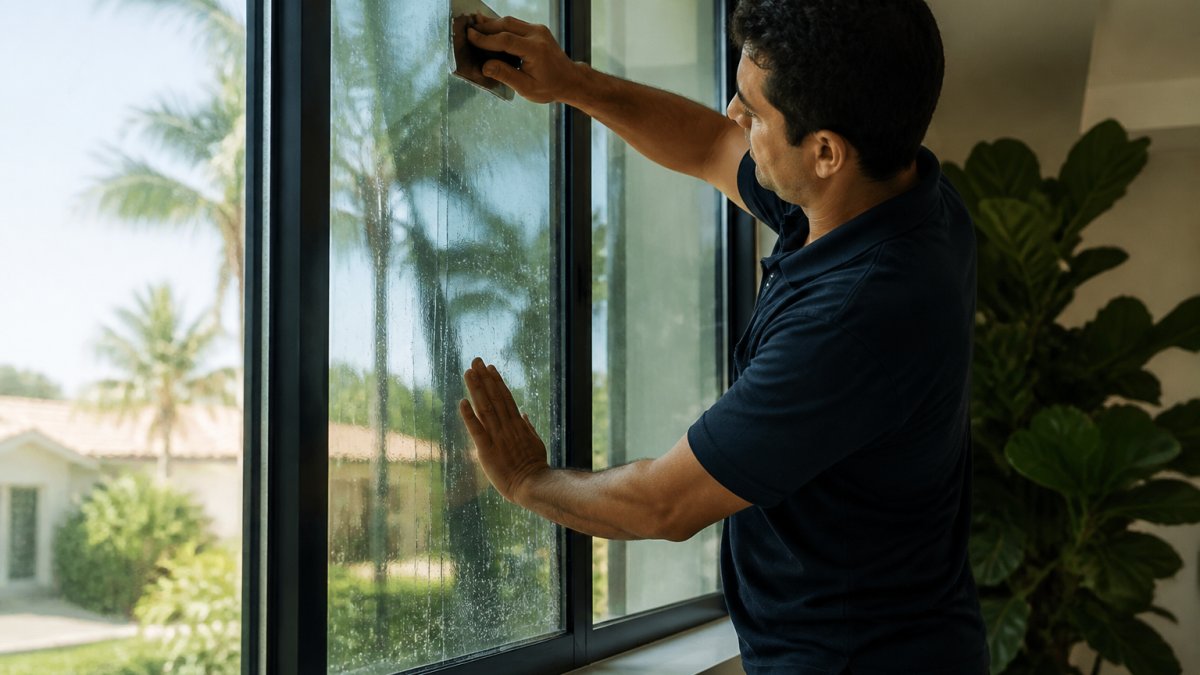
Step 1: Clean the window thoroughly. Use a lint-free cloth and the soapy water solution. Remove all dirt, dust, and debris.
Step 2: Measure and cut the film. Measure the window opening precisely and cut the film about 2 inches larger on each side; you'll trim it later.
Step 3: Apply the soapy water solution. Spray the window generously with the soapy water. This creates a slippery surface that lets the film slide into position.
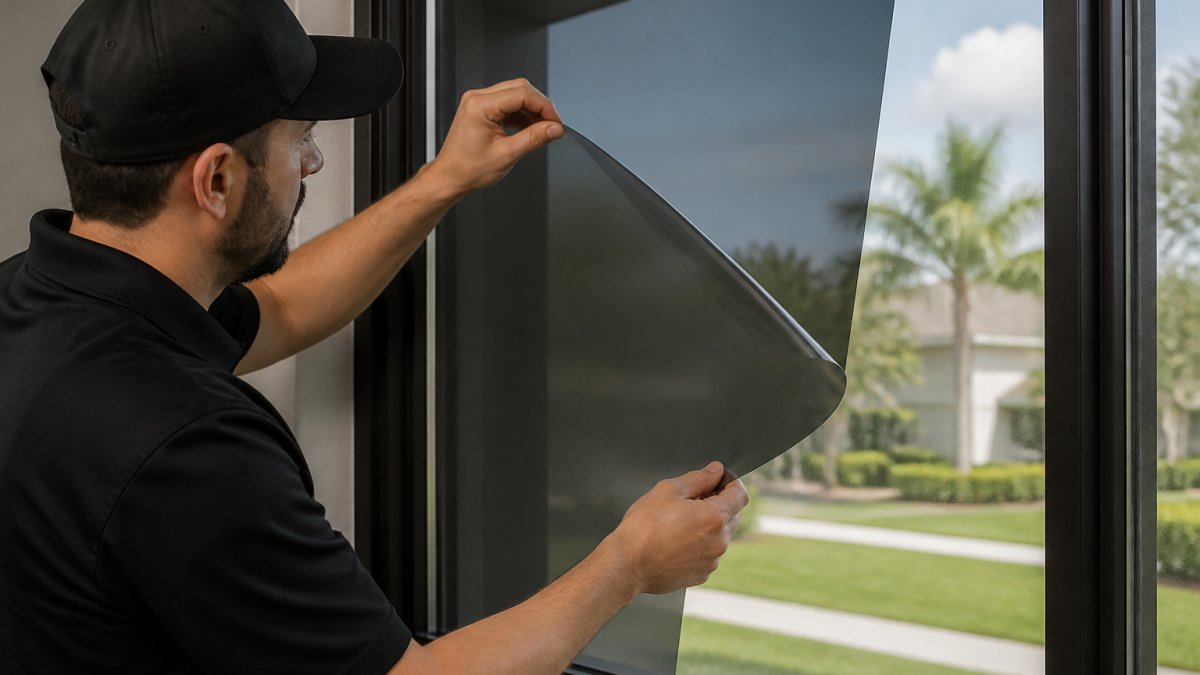
Step 4: Peel the backing and position the film. Peel the backing slowly and position the film on the wet window, starting at the top.
Step 6: Trim the excess film. Once the film is set, use a sharp utility knife to trim the excess. Cut carefully along the window frame edges.
Common Installation Mistakes to Avoid
Rushing the cleaning step is the most common mistake: dirt or dust under the film creates permanent imperfections, so spend extra time cleaning thoroughly.
Using too little soapy water is another frequent error. You need enough solution to keep the film movable; if it starts sticking before you've aligned it properly, you're stuck with misalignment.
Squeegeeing too aggressively can damage the film. Use firm, steady pressure without tearing the material, and let the squeegee do the work.
Installing in direct sunlight causes problems because the film dries too quickly, making positioning impossible. Install on overcast days or in shade.
Beyond Privacy: Heat Reduction, UV Protection, and Energy Savings
Window film does more than provide privacy: it reduces solar heat, blocks harmful UV rays, and can lower cooling costs. These benefits matter as much as privacy for many homeowners.
How Window Film Reduces Solar Heat and Glare
Solar heat enters through windows as infrared radiation. Window film reflects or absorbs this heat, reducing what enters your home; reflective films are particularly effective because they bounce solar energy back outside.
The practical result: rooms with window film stay cooler and your air conditioning doesn't work as hard.
Glare reduction works the same way: reflective film bounces light back outside instead of letting it pass through, eliminating harsh glare that makes watching television difficult or causes eye strain in home offices.
UV Protection and Fading Prevention
Ultraviolet rays damage furniture, flooring, and artwork. Window film blocks 99% of UV rays, so fabrics, wood, and paint fade much more slowly when protected from UV exposure.
The long-term value is significant: furniture and flooring last longer and maintain their color, which matters most for valuable items or rooms with direct, constant sunlight.
Natural Light and Visibility Trade-Offs
The tradeoff with window film is clear: more privacy and heat reduction means less natural light. Sheer film preserves most light with minimal privacy; opaque film provides excellent privacy but significantly reduces light.
The key is matching the film type to your needs: choose sheer or reflective film if natural light matters more, or accept the light reduction of opaque or frosted film if privacy is the priority.
Some homeowners use different films in different rooms, giving them privacy where it matters most while preserving natural light in living spaces.
| Film Type | Daytime Privacy | Nighttime Privacy | Light Reduction | Best For |
|---|---|---|---|---|
| Sheer | Minimal | None | 5-15% | Living rooms, kitchens |
| Reflective | Excellent | Poor | 20-30% | Home offices, daytime privacy |
| Frosted | Good | Poor | 40-50% | Bathrooms, professional look |
| Opaque | Excellent | Excellent | 70-95% | Bedrooms, complete privacy |
| Blackout | Complete | Complete | 95%+ | Home theaters, total darkness |
Choosing the right window film for privacy at home means understanding your needs and each film type's limitations.
At Coral Tint, we help homeowners select the right film for their rooms and privacy goals.
Frequently Asked Questions
What type of window film gives the most privacy?
Opaque and blackout films provide the highest privacy levels, blocking visibility from both inside and outside during the day. Reflective films offer one-way privacy during daylight but lose effectiveness at night. For 24-hour privacy, combine an opaque daytime film with blackout or reflective options. Frosted films provide moderate privacy with a decorative appearance. Your choice depends on whether you need daytime privacy, nighttime privacy, or both.
Is static cling window film removable without damaging glass?
Yes, static cling window film is one of the most removable options available. It adheres through electrostatic force rather than adhesive, leaving no residue or damage when peeled away. This makes it ideal for renters or temporary privacy solutions. However, static cling films typically offer less durable privacy than adhesive films and may not perform as well in high-heat environments or direct sunlight over extended periods.
Can window film block UV rays on house windows?
Yes, most quality window films block 99% of ultraviolet rays, protecting your furnishings, flooring, and artwork from fading. UV protection is one of the primary benefits of residential window film, regardless of the privacy level you choose. This protection reduces long-term damage to interior décor and helps maintain the appearance of your home while providing privacy and heat reduction benefits.
How long does professional window film installation take?
Professional installers have the tools, experience, and precision to ensure bubble-free application and proper edge sealing, which extends film lifespan and performance.