 How-to
8 Ways Home Window Tint Blocks Sunlight and Heat
Last Updated: November 18, 2026
Quick Summary
Yes, home window tint blocks a large share of sunlight, but not all of it, and not all of it the same way. Sunlight mixes visible light, ultraviolet rays and infrared heat, and each needs a different kind of protection. Check each product's UV rejection, TSER and VLT figures rather than judging by darkness.
- Darker film does not always mean better performance; the film's technology matters more.
- Check total solar energy rejected (TSER) and infrared rejection to judge heat blocking.
- UVA passes through ordinary glass, so ask for the UVA-specific rejection figure.
- Visible light transmission and heat rejection are separate; a light ceramic film can reject more heat than a dark film.
- Ask your installer whether thermal stress is a risk for your particular glass type.
Table of Contents
- How Home Window Tint Blocks Sunlight, UV Rays and Heat
- Do Tinted Windows Block Heat?
- UV Window Tint for Home: How Much Protection to Expect
- Home Window Tint and Natural Light: Darkness Is Not Performance
- Home Window Tint for Glare Reduction Without a Dark Room
- How to Choose and Get Home Window Tint Installed at Your Coral Springs Home
- Frequently Asked Questions
How Home Window Tint Blocks Sunlight, UV Rays and Heat
Yes, home window tint blocks a large share of sunlight, but not all of it, and not all of it in the same way. Sunlight is a mix of visible light, ultraviolet (UV) rays and infrared (IR) heat. Each one needs a different kind of protection from your windows.
Many homeowners assume that a darker film always means better performance. In practice, that is often not true. Film performance depends on the film's technology, not just how dark it looks.
Film performance varies by product grade, so the UV rejection figure on each product's spec sheet is the number to check. Your actual results depend on the film you choose and how well it is installed.
Visible Light, UV, Infrared and Glare Are Separate Things
Visible light is what lets you see outside. UV rays are the invisible rays that fade furniture and affect skin. Infrared is the heat you feel on your arm when you stand by a sunny window. Glare is the harsh brightness that makes screens hard to read.
These four things do not move together. A film can cut UV sharply while letting most visible light through. Another film can cut glare but do little to stop heat. Before you buy, decide which problem matters most in your home.
The four things window tint affects are separate, so it helps to know which one matters most in your home.
| Sunlight part | What it is | Why it matters |
|---|---|---|
| Visible light | What lets you see outside | Affects brightness and view |
| Ultraviolet (UV) | Invisible rays | Fades furniture, affects skin |
| Infrared (IR) | Heat you feel | Drives room temperature |
| Glare | Harsh brightness | Makes screens hard to read |
Do Tinted Windows Block Heat?
Yes, many window films reduce heat, but the amount depends on the film. Look for total solar energy rejected (TSER) and infrared rejection on the product spec sheet. These numbers tell you more than the darkness rating.
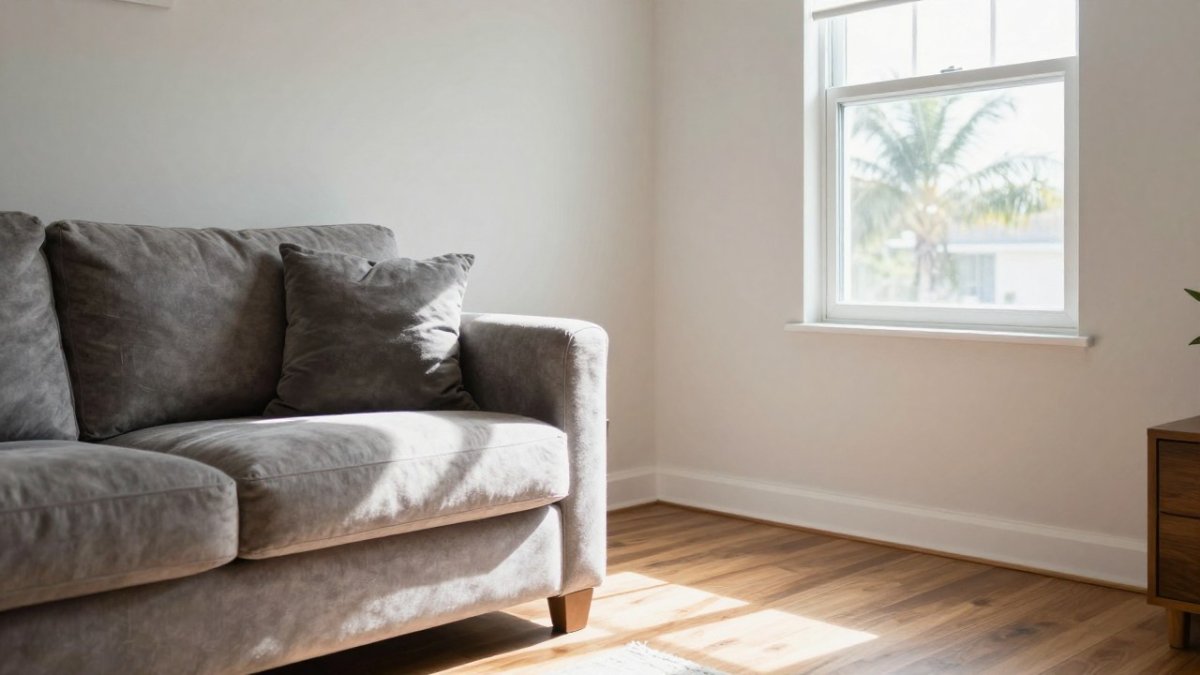
Here is what we tell homeowners to check:
- Afternoon-facing windows: These take the most heat, so they often gain the most from a high-performance film.
- Glass type: Some glass handles added heat poorly. Ask your installer whether thermal stress is a risk for your windows.
- Film grade: Ceramic films can reject heat well without making a room very dark.
A common mistake is buying the darkest film on the shelf and expecting it to cool the room the most. Darkness and heat rejection are not the same thing.
UV Window Tint for Home: How Much Protection to Expect
UV rejection varies by product line, even within the same manufacturer, so the number to verify is on the film's spec sheet rather than on the box. For more detail, read whether window tinting blocks UV rays.
UVA Versus UVB: Why the Distinction Matters Indoors
Ultraviolet light splits into two bands that behave differently through glass. UVB is the shorter-wave band most associated with sunburn, and standard window glass already blocks most of it. UVA is the longer-wave band that passes through ordinary glass, reaches deeper into skin, and drives much of the long-term photoaging and skin-cancer risk linked to everyday sun exposure. That is why a window film's UVA rejection number matters more than its overall UV claim for anyone who sits near a window for hours. Quality films are often formulated to reject both bands, but ask for the UVA-specific figure if skin protection is your priority.
How UV Rejection Is Measured
UV rejection is typically reported as the percentage of ultraviolet energy in the 300-380 nanometer range that the film keeps from passing through the glass. A film rated at 99% UV rejection blocks nearly all of that band; a film rated at 95% leaves a small but measurable amount through. The difference sounds trivial, but cumulative exposure over years is what fades furnishings and affects skin, so the last few percentage points are worth checking on the spec sheet rather than assuming.
Why UV Film Does Not Stop All Fading
Fading is not caused by UV alone. Visible light and heat also contribute, and most UV films let substantial visible light through by design. A common pattern is that UV film slows fading noticeably but does not eliminate it, especially for fabrics and woods that sit in direct sun for hours a day. If preserving a specific rug, artwork, or hardwood floor is the goal, ask for a film that targets visible light and solar heat as well as UV, and consider moving the most vulnerable pieces out of the direct beam.
UV protection matters most for:
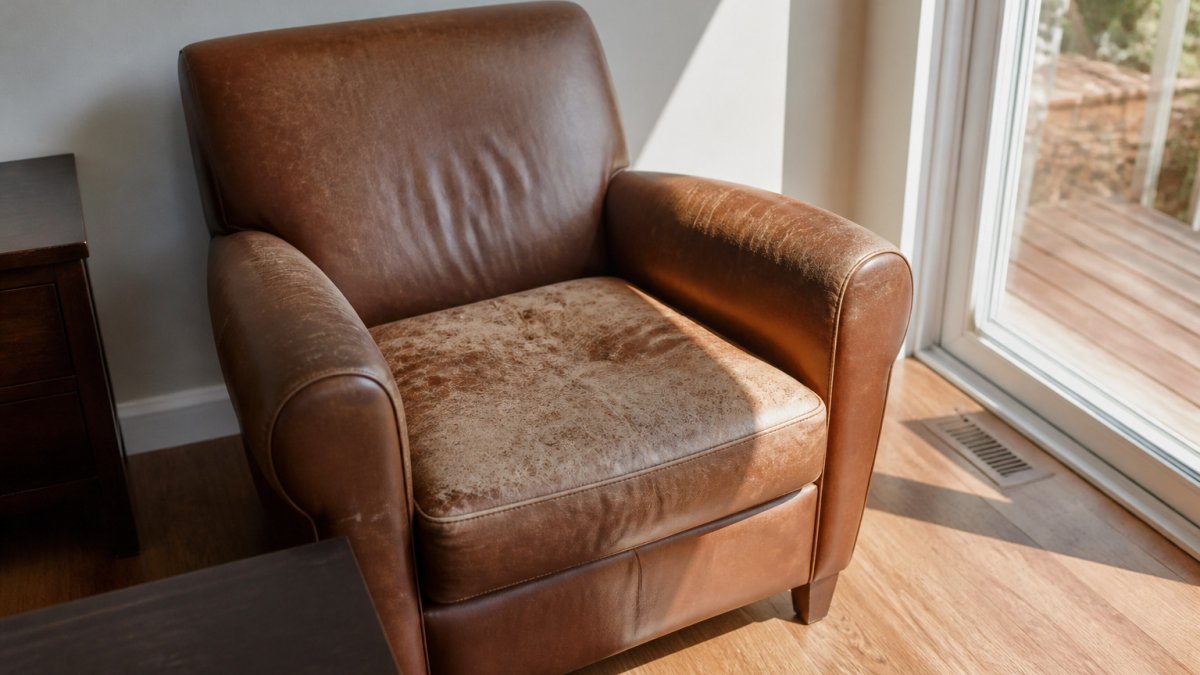
- Hardwood floors, rugs and artwork near windows
- Upholstered furniture that sits in direct sun
- Skin exposure for people who sit by a sunny window every day
Watch out: a film marketed only as "UV blocking" may carry a high UV number while doing little for heat or glare, so read the full spec sheet rather than the headline claim.
Home Window Tint and Natural Light: Darkness Is Not Performance
Many homeowners worry that tint will make their rooms feel like a cave. Our guide to window tinting for privacy at home covers privacy and light balance in more depth. That concern is valid, but a light or clear film can still block heat and UV. You do not need a dark film to get real benefits.
What Visible Light Transmission (VLT) Actually Tells You
Visible light transmission is the percentage of visible light that passes through the film and glass. Visible light transmission (VLT) ranges vary by film, from nearly clear films to very dark films chosen mainly for privacy. The key point is that VLT and performance are separate dials: a high-VLT ceramic film can reject more heat than a much darker dyed film. When you compare products, line up VLT, UV rejection, and total solar energy rejected side by side rather than judging by shade.
Room-by-Room and Window-Orientation Guidance
Which film makes sense depends on where the window faces and what the room is used for.
- West-facing windows: These take the harshest afternoon sun and are the highest-value targets for heat and glare film. A moderate-VLT film here often delivers the biggest comfort gain.
- South-facing windows: Strong sun for more of the day; a film that balances heat rejection with a bright VLT works well for living rooms.
- East-facing windows: Morning sun is gentler; a light film is often enough unless glare on a breakfast table is the issue.
- Bedrooms: A lower-VLT film can help with early-morning light and privacy, but keep egress windows in mind and confirm local code allows the film you choose.
- Home offices: Glare on monitors is usually the priority, so target a film that cuts visible light at the screen height rather than darkening the whole room.
- Sunrooms: These gain the most from high heat-rejection film, but the glass type matters more here than anywhere else.
Glass Compatibility and Thermal Stress
Film choice depends on the glass. Insulated glass units, tinted glass, low-emissivity coated glass, and older single-pane windows all respond differently to added film, and some combinations raise the risk of thermal stress cracking. A common pattern is that double-pane and coated windows need a film specifically rated for that glass type. Ask your installer whether thermal stress is a risk for your windows before committing, and check the manufacturer's guidance for your glass.
Keeping the View While Cutting Sunlight
If the view is the reason you bought the house, choose a film with a high VLT and strong UV and heat numbers rather than a dark film. A light, spectrally selective film can reduce harsh brightness and heat while keeping the view largely unchanged. The trade-off is that a high-VLT film offers less daytime privacy, so decide which matters more before you buy.
Watch out: a film that looks clear in the showroom can still read darker once installed on a large window, so ask to see a sample against your own glass in daylight.
Home Window Tint for Glare Reduction Without a Dark Room
Glare comes from bright sky and sun hitting the glass. A film that reduces glare does not always need to be dark. A light film can reduce harsh brightness on TV screens and computer monitors.
Try this approach:
- Notice which windows cause glare at specific times of day.
- Note whether the problem is brightness, heat or both.
- Choose a film that targets the problem you noticed.
This simple step keeps you from paying for performance you do not need.
How to Choose and Get Home Window Tint Installed at Your Coral Springs Home
Start by listing your goals. Do you want lower cooling bills, less fading, more privacy or less glare? Your answer decides which film fits your home.
Then follow these steps:
- Measure your windows and note their orientation. West and south windows usually get the most sun.
- Ask for film specifications. Check UV rejection, TSER, infrared rejection and VLT.
- Confirm glass compatibility. Ask whether your windows are at risk of thermal stress.
- Request a written warranty. Ask what the warranty covers and for how long.
- Plan for installation time. Ask how long a typical home takes so you can plan your day.
Coral Tint serves homeowners in Coral Springs and the surrounding South Florida area, and we are happy to walk you through film options for your home. Our Window Tinting in Coral Springs, FL page explains our local service area and how to book. You can see what we offer for home windows on our Residential Window Tinting page. You can reach us at 954-752-5672, or visit us at 10734 Wiles Rd, Coral Springs, FL 33076. For phone, text, and address details, see our Contact Us page. Our Residential Window Tinting page covers what we offer for home windows, and our Window Tinting in Coral Springs, FL page explains our local service area and how to book.
Frequently Asked Questions
Does darker window tint block more sunlight?
Not necessarily. Darkness is measured as visible light transmission, which only describes how much visible light passes through. Heat and UV rejection depend on the film's construction, especially whether it uses ceramic or metalized layers. A lightly tinted ceramic film can reject more infrared heat than a much darker dyed film. When comparing options, ask for the film's visible light transmission, total solar energy rejection and UV rejection figures, and do not assume darker means more protection.
How much UV protection does home window tint provide?
Home window tint UV rejection depends on the product grade, so check each film's spec sheet for its rated UV rejection. Actual protection depends on the specific film and how well it is installed on your glass. Ask any installer for the product's UV rejection rating before you buy, and confirm that the film is applied without gaps or bubbles that would reduce coverage.
Can home window tint reduce glare without making a room too dark?
Yes. Many films are clear or lightly tinted and still reduce glare and block heat and UV rays, which is why homeowners often choose them to keep the view. Glare reduction comes from the film's reflective or absorptive properties rather than darkness alone. Coral Tint can help homeowners choose a film that matches the amount of light they want to keep, especially for rooms that get strong afternoon sun.
Does home window tint block all sunlight?
No. Window tint reduces the amount of sunlight entering a room, but it does not block all of it. Visible light, UV rays, infrared heat and glare are separate components of sunlight, and each film rejects them to a different degree. The level of light reduction depends on the film you select. Ask your installer how a specific film will affect the brightness of your rooms before installation.