 How-to
9 Marine Window Tinting Mistakes Yacht Owners Make
Quick Summary
Marine window tinting for yachts is a different job from car tinting, because yacht windows are large, curved, exposed to salt air and vibration, and must stay clear enough for navigation. The right film depends on the window's location, its glazing material, and the visible light transmission the helm needs. Confirming the film is rated for your glazing before installation prevents costly failures.
- Marine film must handle salt air, vibration, and curved panels that car film is not built for.
- Ceramic film rejects heat without the signal interference that metallic film can cause.
- Confirm whether each window is glass, acrylic, or polycarbonate before ordering any film.
- Keep helm and windshield film lighter, since darker film can reduce night visibility.
- Ask installers for each film's visible light transmission and warranty terms in writing.
Table of Contents
- Why Marine Window Tinting for Yachts Is Different From Car Tinting
- Benefits of Marine Window Tinting: UV, Heat and Glare Control
- Choosing Marine Window Film: Ceramic, Metallic and Dyed Options
- Matching Film to Your Glazing: Acrylic, Polycarbonate and Glass
- Tint Selection by Window Location and Visibility Needs
- 3M Marine Window Tint Options and What to Ask Your Installer
- Booking Your Yacht Window Tinting With Coral Tint
- Frequently Asked Questions
9 Marine Window Tinting Mistakes Yacht Owners Make
Last Updated: November 16, 2026
Why Marine Window Tinting for Yachts Is Different From Car Tinting
Marine window tinting for yachts is not the same job as tinting a car. A vehicle window is a flat or gently curved piece of tempered glass, and a shop can usually get a film on it in a few hours. A yacht has large curved panels, salt air, constant vibration, and windows that must stay clear enough to see the water.
Many yacht owners learn this the hard way. A film chosen for a sedan may look fine for a month, then lift at the edges once salt and sun have their way. A marine film should be judged by how it handles the water, not by how dark it looks in the showroom.
National Oceanic and Atmospheric Administration marine environment resources
Learn more about our dedicated service.
Benefits of Marine Window Tinting: UV, Heat and Glare Control
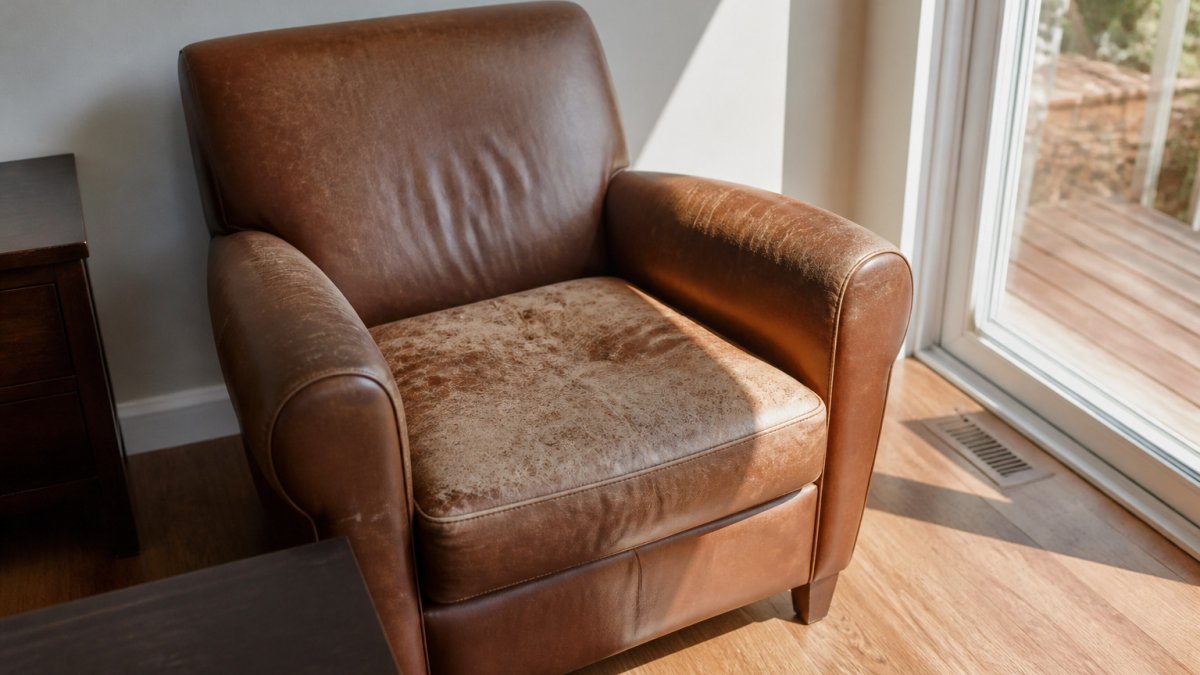
Window film does three main jobs on a boat: it blocks ultraviolet light, reduces solar heat, and cuts glare. UV exposure fades upholstery, cracks trim, and wears down finishes over time. Heat builds quickly in a cabin with large glass areas, and glare off the water can make it hard to read a chartplotter or spot debris.
Good film does these jobs without making the cabin feel like a cave. The trade-off is that darker film blocks more light, so the right choice depends on where the window sits and how much visibility you need at the helm. Film on a salon window can be darker than film on a windshield, where the helmsman needs a clear view ahead.
Compare options for glare reduction on the water.
Choosing Marine Window Film: Ceramic, Metallic and Dyed Options
Film types differ in how they handle heat, glare, and signal interference. Here is how they compare in general terms:
| Film Type | Heat Rejection | Glare Control | Signal Impact | Best For |
|---|---|---|---|---|
| Ceramic | High | Good | Minimal | Cabin comfort without heavy darkening |
| Metallic | High | Strong | Can interfere with electronics | Areas away from radios and GPS |
| Dyed | Moderate | Moderate | Minimal | Privacy and basic sun control |
Ceramic film is generally chosen for heat rejection without heavy metal content, so it does not tend to interfere with onboard electronics. Pricing depends on the film, the window area, and the installation, so request a quote for current figures.
Metallic film reflects a lot of heat and light, but its metal layers can interfere with GPS, radio, and cellular signals. Keep it away from the helm if you rely on electronics there.
Dyed film is the most affordable option. It handles glare and privacy well but rejects less heat than ceramic.
Watch out: a dark film chosen only for privacy can reduce night visibility from the helm. Check the visible light transmission before you commit.
Matching Film to Your Glazing: Acrylic, Polycarbonate and Glass
Yachts use several glazing materials, and each one reacts differently to film. Glass is the most forgiving and takes film easily. Acrylic and polycarbonate need more care because they scratch more easily, expand and contract more with temperature, and can craze when the wrong adhesive or solvent is used. Before ordering film, confirm the exact glazing material on each window.
American Society for Testing and Materials standards for glazing
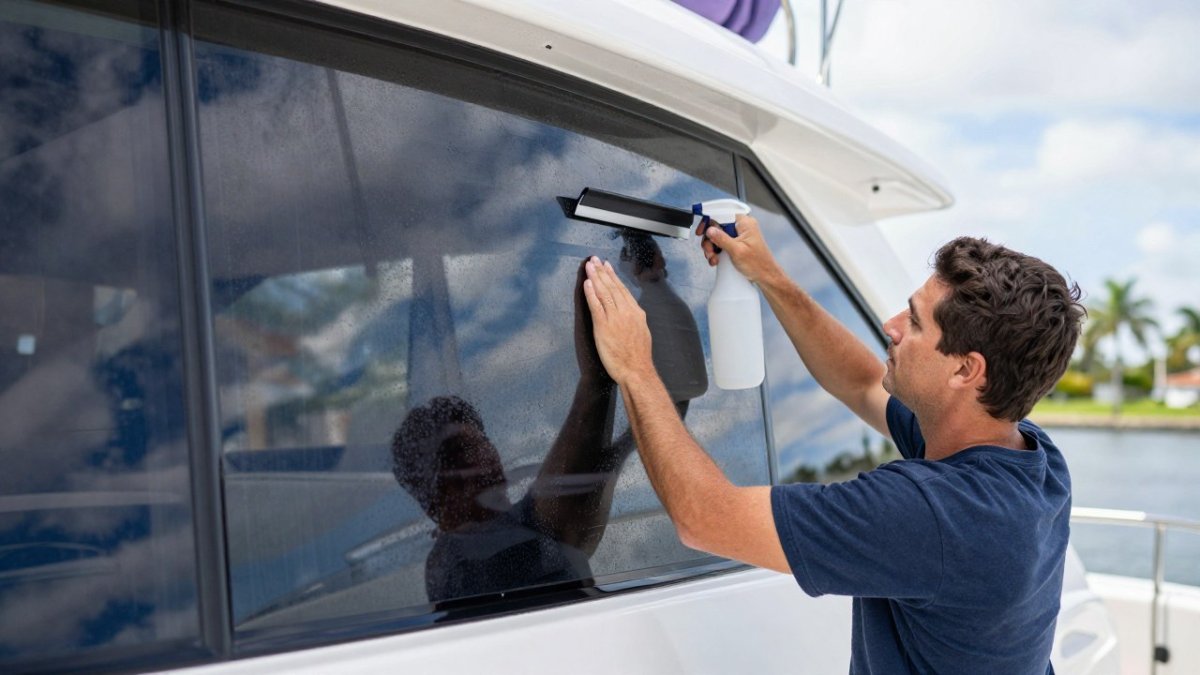
!A technician in a clean workshop smoothing a film sheet onto a curved acrylic boat window with a squeegee
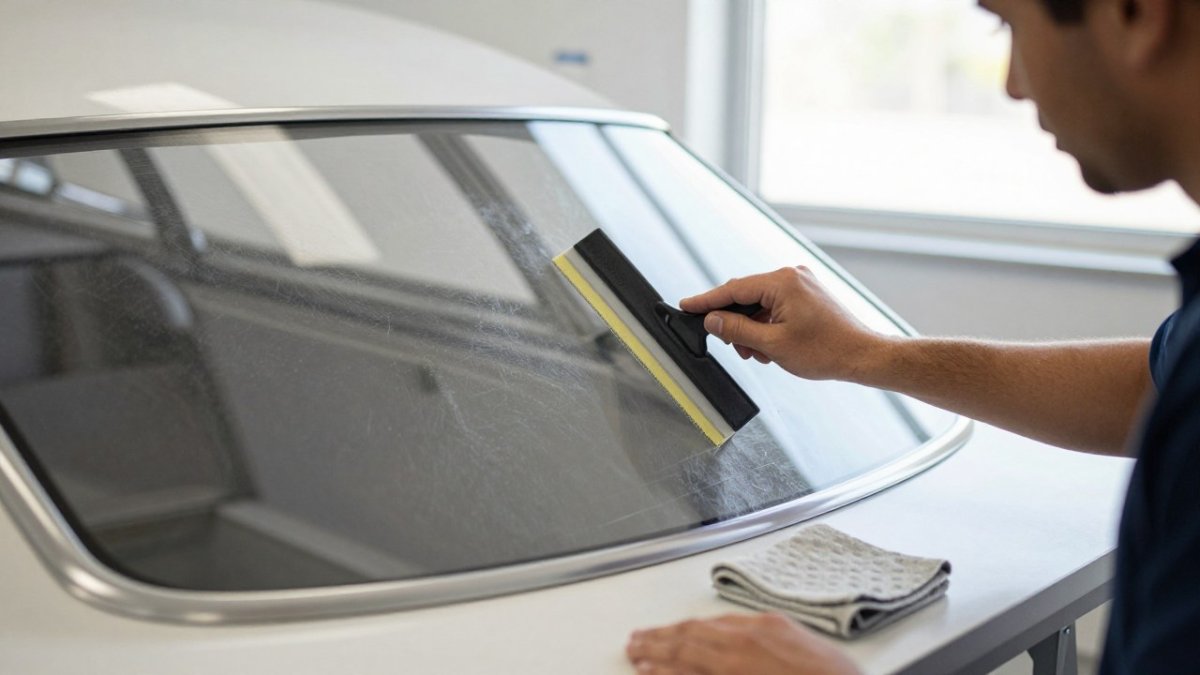
How to Identify Each Glazing Material
The first step is knowing what you are actually tinting. Glass is heavy, cool to the touch, and rings when tapped lightly; it is the standard on many production yachts and is the most film-friendly surface. Acrylic (often sold under brand names such as Plexiglas) is lighter, warmer to the touch, and has a slightly softer feel; it is common on flybridge windshields, hatches, and side panels where weight matters.
A practical field check: tap the panel with a coin. Glass gives a sharp, ringing click; acrylic gives a duller, plasticky tap; polycarbonate is duller still and feels slightly flexible under pressure. If you are unsure, check the owner's manual or ask the builder, guessing wrong is expensive.
Why Acrylic Needs Its Own Film Choice
Acrylic is common on modern yachts because it is light and impact resistant. It is also softer than glass, so it scratches more easily during cleaning and installation. Film designed for acrylic uses adhesives that bond without attacking the surface. Using a glass-grade film on acrylic is a common mistake, and it can show up as clouding or lifting within a season. Acrylic also expands and contracts more than glass with temperature swings, so the film must have enough flexibility to move with the panel rather than fight it.
Polycarbonate: The Most Demanding Surface
Polycarbonate is tougher than acrylic against impact but softer against scratches, and it is sensitive to solvents. Many standard glass films use adhesive chemistry that can attack polycarbonate over time, causing hazing or crazing. If your yacht has polycarbonate windscreens or side panels, confirm in writing that the film is rated for polycarbonate and that the installer will use a compatible application solution. A film that works beautifully on glass can ruin a polycarbonate panel within months.
Coated and Factory-Tinted Glazing
Some yacht windows arrive from the builder with a factory tint, a hard coat, or a low-emissivity coating. Film over a coated surface may not bond properly, and removing film later can pull the coating with it. Ask the builder or surveyor whether any glazing has a coating before you approve film. If a coating is present, the installer should test a small inconspicuous area first.
Watch out: a film approved for glass is not automatically approved for acrylic or polycarbonate, and a warranty claim on a mismatched panel is often denied. Get the glazing material and the film's compatibility in writing before installation.
Learn more about our dedicated service.
Tint Selection by Window Location and Visibility Needs
Not every window on a yacht has the same job. The windshield and helm windows need the highest clarity because the captain depends on them for navigation. Salon and cabin windows can be darker because they mostly control heat and privacy. Side windows and hatches fall somewhere in between. A practical approach is to match the film to the window's role. Use lighter, high-clarity film at the helm and darker film where the cabin needs privacy and cooling. Always check visible light transmission at night, since film that looks fine in daylight can reduce what you see after dark.
Start With Visible Light Transmission (VLT)
VLT is the percentage of visible light a film lets through. A higher VLT means a lighter film and more natural night vision; a lower VLT means a darker film and more privacy and glare control. Helm and windshield glass should generally stay in the higher-VLT range so the captain can see unlit obstacles, buoys, and debris after dark, while salon and cabin windows can go darker because they are not used for navigation. Ask the installer for the VLT number of every film proposed, not just a shade name.
Window-by-Window Selection Guide
- Windshield and helm windows: prioritize clarity and night visibility. Choose a high-VLT film that cuts heat and UV without heavy darkening. The captain's view is a safety system, not a styling choice.
- Salon and cabin windows: these can carry darker film because they mainly control heat, glare, and privacy. A mid-to-lower VLT film is often appropriate here.
- Side windows and pilothouse glass: balance glare control with the need to see docking lines, fenders, and nearby traffic. A moderate VLT is usually the compromise.
- Hatches and skylights: overhead glass drives cabin heat. A heat-rejecting film with moderate VLT can cut solar load without turning the cabin into a cave.
The Night-Visibility Test
Before committing, view a film sample against a dark background or at dusk. Film that looks subtle in bright daylight can make an unlit channel marker or floating debris hard to see after sunset. If you regularly run at night or in low light, favor higher VLT at every window the helmsman uses, and reserve darker film for cabins and privacy panels.
Heat, Glare, and Privacy Trade-offs
Darker film blocks more light and generally rejects more heat and glare, but it also reduces what you can see out. Ceramic film can deliver strong heat rejection at a higher VLT than dyed film, which is why it is often the better choice where you want comfort without sacrificing visibility. Decide which matters most for each window, navigation clarity, heat load, or privacy, and let that drive the VLT choice rather than picking a shade by eye.
Watch out: a film chosen only for privacy can reduce night visibility from the helm enough to matter for safe operation. Check VLT at night before you approve the order, and keep the helm and windshield lighter than the cabin.
Explore our marine tinting options.
3M Marine Window Tint Options and What to Ask Your Installer
When you talk to an installer, ask specific questions:
- Is the film rated for marine conditions and salt exposure?
- Is it approved for my glazing material, whether glass, acrylic, or polycarbonate?
- What is the visible light transmission, and how will it affect night visibility at the helm?
- Does the warranty cover film lifting, peeling, or fading, and for how long?
- Who handles the warranty claim if the film fails?
Clear answers to these questions separate professional work from a rushed job. Ask for them in writing before you approve the order.
3M window film product information
Booking Your Yacht Window Tinting With Coral Tint
Once you know which film suits each window, the next step is scheduling the installation. Coral Tint serves boat and yacht owners in South Florida from its location at 10734 Wiles Rd, Coral Springs, FL 33076.
Bring a list of your glazing materials and the windows you want tinted, which helps the installer recommend the right film for each panel.
Contact Coral Tint to schedule your installation.
Coral Tint has served South Florida since 1995, and our family-owned team is ready to help you choose the right marine film for your yacht. Reach out to request your quote today.
Frequently Asked Questions
Can you tint yacht windows?
Yes, yacht windows can be tinted with marine-grade film, but the film must suit the glazing. Glass, acrylic and polycarbonate react differently to heat and adhesives, so an installer should confirm the material before applying anything. Marine window film is designed to resist salt air, moisture and sun exposure, and it can reduce UV exposure and cabin heat. Coral Tint serves boat and yacht owners in the South Florida area.
How long does marine window tint last?
Marine window tint lifespan depends on film quality, glazing type, sun exposure and how the film is maintained. Quality marine-grade film that is professionally installed and cleaned with non-abrasive products can hold up for years in the South Florida sun. Peeling, bubbling or haze usually points to poor installation or the wrong film for the material. Ask any installer for the film warranty in writing before you book.
What should you ask an installer before tinting yacht windows?
Ask which film they recommend for your specific glazing material and why. Confirm they have experience with marine windows and curved surfaces, and ask how they prepare the glass or acrylic before application. Request the film brand and product line, the warranty terms and how the installation will be protected from salt air and moisture. Coral Tint is located at 10734 Wiles Rd, Coral Springs, FL 33076.