 how-to
How to Prevent Sun Damage to Furniture at Home
Last Updated: November 3, 2026
Quick Summary
Sun damage furniture happens when ultraviolet light breaks down pigments and finishes, causing fading, yellowing, cracking, and dull surfaces over months of exposure. Prevent it by moving pieces out of direct sun, rotating cushions every few months, using UV-blocking window treatments, and applying protectants labeled for each material.
- Move pieces that sit in direct sunlight first, since they fade fastest.
- Rotate cushions and loose furniture every 3 months to even out exposure.
- Window film is commonly rated at 99% UV rejection; verify the spec sheet.
- Test any protectant on a hidden area and wait 24 hours before full use.
- Use leather conditioner with UV protection, never wood oils or general protectants.
Table of Contents
- How Sunlight and UV Rays Damage Furniture
- How to Protect Indoor Furniture from Sunlight Room by Room
- How to Protect Wood Furniture from Sunlight
- UV-Blocking Window Film and Other Window Treatments Compared
- Restoring Sun-Faded Fabric Upholstery
- Using Furniture Protectants and Covers Safely
- Building a Sun Protection Schedule for Your Home
- Frequently Asked Questions
How Sunlight and UV Rays Damage Furniture
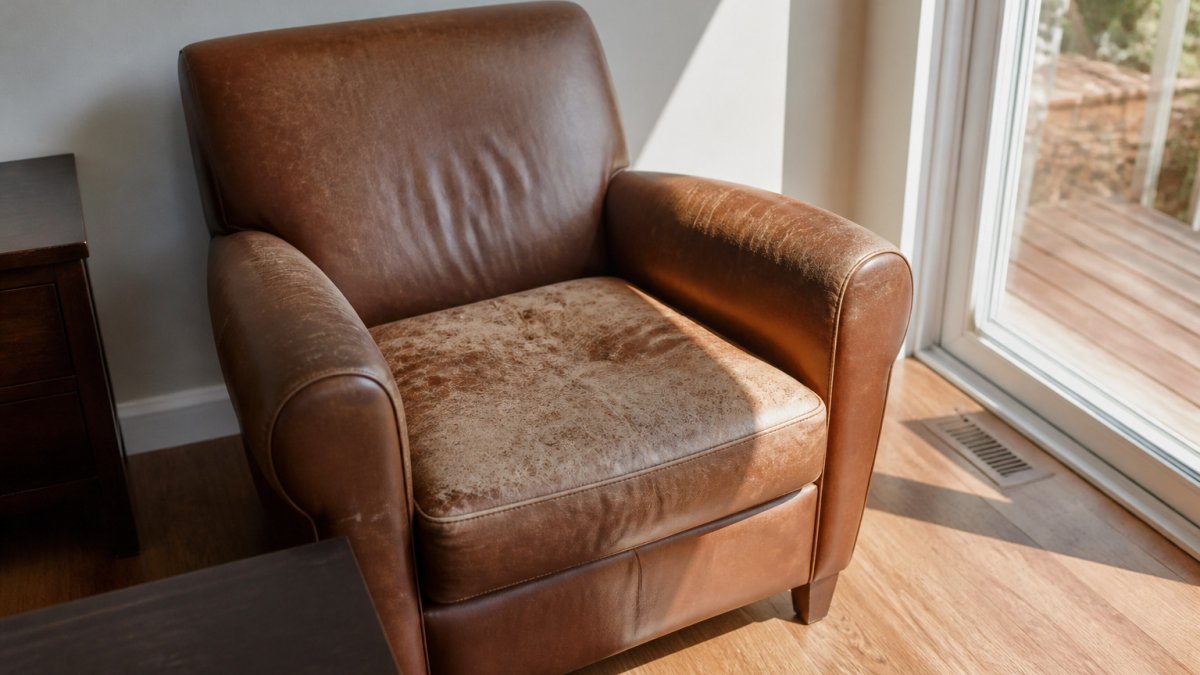
Sun damage furniture is slow to develop, and most people only notice it after the color has already faded. Ultraviolet light breaks down the pigments and finishes that give furniture its color and sheen. Without protection, a sofa or wood table can lose its look over months of daily exposure.
Research from Fraunhofer-Gesellschaft research news on natural sun protection for wood floors and furniture reports that UV light in the 330 to 380 nanometer range can interact with uncoated wood surfaces, causing discoloration and damage.
A broader review of UV radiation effects on natural and synthetic materials notes that wood and other natural materials degrade under UV exposure, which is why protecting them matters.
Here is what sun exposure usually does to common furniture:
- Wood: Fading, yellowing, and a dull, dry finish
- Fabric: Color loss and weaker fibers
- Leather: Cracking and drying out
- Painted surfaces: Chalking and uneven color
How to Protect Indoor Furniture from Sunlight Room by Room
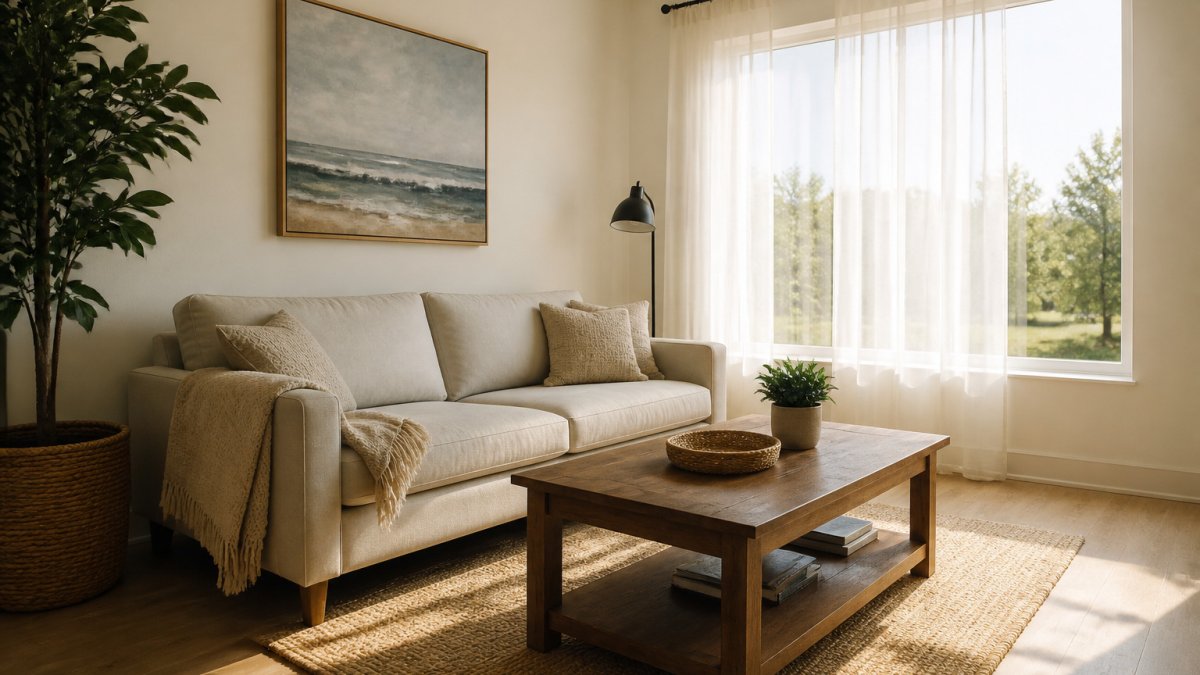
Each room gets sun at different times and angles, so one fix rarely works everywhere. Start by looking at where sunlight actually lands during the day.
Mapping Window Orientation and Sun Exposure
South- and west-facing windows usually bring the strongest afternoon sun. Walk through each room at midday and again in the late afternoon, and note which pieces sit in direct light.
Move those pieces first, since sun damage furniture is rarely a problem in a shaded corner.
Moving Furniture and Rotating Pieces
Moving a piece a few feet out of the direct beam is often the cheapest fix. Rotating cushions and loose furniture every few months spreads exposure evenly so one side does not fade faster than the other.
How to Protect Wood Furniture from Sunlight
Wood, leather, natural fibers, and synthetic upholstery each respond differently to ultraviolet light, and a product that helps one can harm another. The guidance below separates care by material so you can choose the right protection and avoid unsuitable products.
Wood and Wood Finishes
Ultraviolet light breaks down lignin in wood, which is why unfinished or lightly finished wood turns yellow or gray. The fix depends on the finish:
- Oil-finished wood: Reapply a UV-inhibiting oil as the manufacturer directs; oil finishes need more frequent renewal than film finishes.
- Lacquer and varnish: These resist UV better than oil but still degrade; a topcoat with UV inhibitors extends protection.
- Painted wood: UV causes chalking and fading; a clear UV-blocking topcoat over the paint helps, but test on a hidden area first because some topcoats yellow white paint.
- Unfinished wood: The most vulnerable; keep it out of direct sun or apply a UV-blocking finish before placement.
Watch out: silicone-based polishes can trap moisture and interfere with refinishing, so avoid them on wood you may want to restore later.
Leather
Leather dries and cracks under UV exposure. Use a leather conditioner with UV protection made for the specific leather type (aniline, protected, or suede), and reapply as directed. Do not use wood oils or general-purpose protectants on leather; they can darken or stain it.
Natural Fibers (Cotton, Linen, Wool, Silk)
Natural fibers fade and weaken under UV. Lined curtains, throws, and rotation are the first line of defense. When cleaning, use products labeled for the specific fiber; enzyme cleaners can damage silk and wool. Test any protectant on a hidden seam first. The same care with light exposure and gentle cleaning helps when preventing leather sun damage, since leather also benefits from protection from direct sun and harsh products.
Synthetic Upholstery (Polyester, Nylon, Olefin)
Synthetics resist fading better than natural fibers but are not immune. Solution-dyed synthetics hold color longer than piece-dyed fabrics. Use fabric protectants labeled for synthetics, and avoid solvent-based products that can melt or discolor olefin.
Testing Any Product
Apply a small amount to a hidden area, wait 24 hours, and check for discoloration, stiffness, or residue before treating the whole piece. Reapply protectants on the schedule the manufacturer recommends, and recheck after cleaning, since cleaning can strip protection.
UV-Blocking Window Film and Other Window Treatments Compared
Window treatments are not interchangeable. Each option blocks a different share of ultraviolet light, changes the room in a different way, and carries its own maintenance burden. The table below summarizes how the main choices compare on the factors that matter most for furniture protection.
| Option | Typical UV blocking | Visible-light effect | Best for | Main trade-off |
|---|---|---|---|---|
| Window film (spectrally selective) | Manufacturers commonly rate films at 99% UV rejection; verify the published spec sheet for the specific product | Low to moderate reduction in visible light; some films are nearly clear | Rooms with constant sun and furniture that cannot move | Permanent installation; film can bubble or peel if poorly applied |
| Solar screens | High UV rejection, often in the 80-90% range depending on openness factor | Noticeable darkening; preserves view | West- and south-facing windows with intense afternoon sun | Reduces view clarity and requires exterior mounting |
| Cellular or roller shades | Moderate to high when closed; near zero when raised | Adjustable; can darken a room significantly | Bedrooms and media rooms where light control is wanted | Only protects when drawn |
| Lined curtains and drapes | Moderate when closed; depends on lining density | High reduction when closed | Living rooms and formal spaces | Blocks the view and traps heat against glass |
| Blinds (wood, faux wood, aluminum) | Moderate; slats block direct beams but not diffuse light | Adjustable | Rooms where glare is the main problem | Does not stop UV that passes between slats |
| Furniture throws and covers | High for the covered surface only | None | Pieces that cannot be moved or filmed | Does not protect the room or adjacent surfaces |
How to read the UV claims. A film's UV rejection number is not the same as its total solar energy rejection. A film can block nearly all UV while still admitting most visible light, which is why spectrally selective films are popular for furniture protection in rooms where homeowners do not want a dark tint. See which films suit glare reduction and light control. Ask for the manufacturer's published performance data rather than relying on a general "blocks UV" claim.
Match the treatment to the window orientation. South- and west-facing windows receive the most intense afternoon sun and benefit most from film or solar screens. East-facing windows get gentler morning light and often need only shades. North-facing windows rarely need UV treatment at all unless a piece sits directly in the beam.
Consider the season and time of day. Sun angles shift through the year. A window that is shaded in summer may receive direct light in winter when the sun sits lower. Walk the room at several times of day and in different seasons before committing to a treatment.
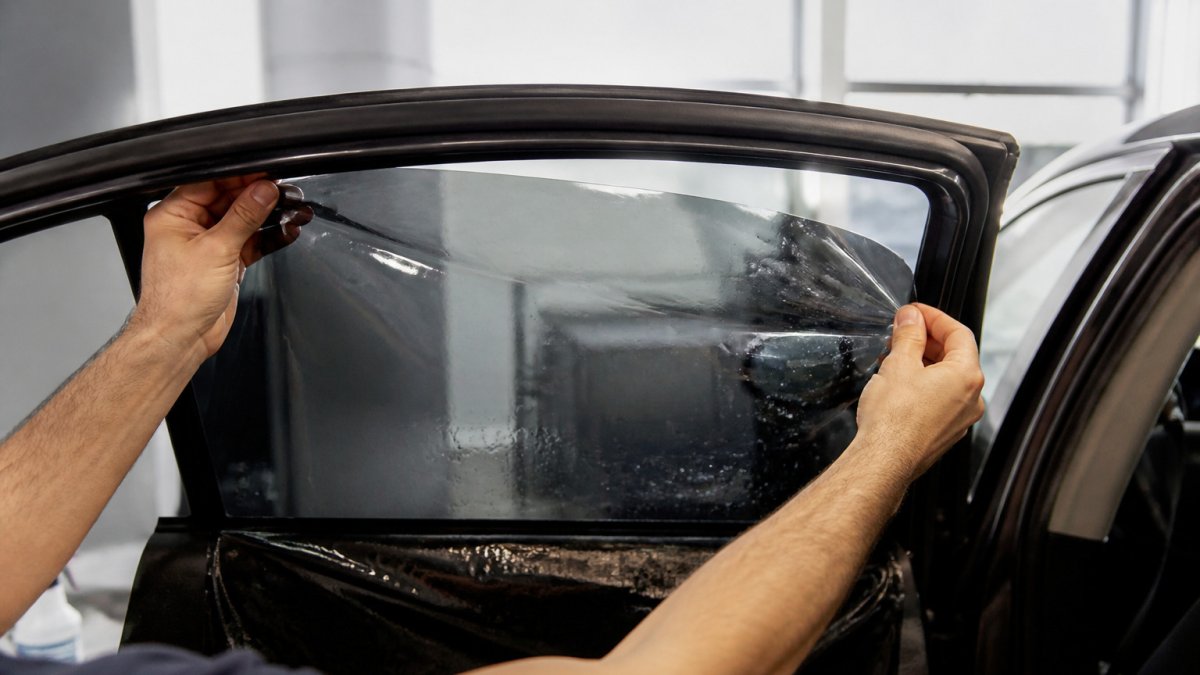
Weigh installation and maintenance. Film is installed once and left in place, but it must be cleaned with non-abrasive products to avoid scratching. Follow these film care steps that prevent peeling to keep it in place. Check how long window film typically lasts before you buy. Shades and curtains need periodic cleaning and can harbor dust. Solar screens are exposed to weather and may need replacement sooner than interior film.
You can learn whether window tinting actually blocks UV rays before choosing a film, and compare glare reduction film options if brightness is the main concern. Check how long window film lasts and learn the steps that prevent peeling and extend film life so the investment holds up.
Restoring Sun-Faded Fabric Upholstery
Faded fabric is hard to undo, but you can often improve it. Start by cleaning the fabric gently and checking the care label first.
If the color has only lightly faded, a fabric cleaner may restore some depth. For deeper fading, professional reupholstery or slipcovers may be the better choice. Prevention is far easier than repair, so protect upholstery before the damage starts.
Using Furniture Protectants and Covers Safely
Protectants can help, but use them carefully. Test any product on a hidden spot first, and follow the label directions for your material.
- Test on a small hidden area before full use
- Apply in a well-ventilated room
- Do not use wood products on fabric, or fabric products on leather
- Re-check covers regularly so trapped moisture does not cause mildew
Covers work well for pieces you rarely use, like patio chairs or a guest room chair. Make sure the cover breathes so it does not trap heat and humidity against the furniture.
Building a Sun Protection Schedule for Your Home
Sun damage builds up over time, so a simple schedule keeps it under control. Set reminders so these tasks do not slip.
- Every week: Check which pieces get direct afternoon sun
- Every 3 months: Rotate cushions and loose furniture
- Every year: Inspect window treatments and film for wear
- As the manufacturer directs: Reapply wood protectants
Adjust the schedule to your home. A room facing south with heavy afternoon sun needs more attention than a shaded north-facing room. Once you have a routine, protecting your furniture takes only a few minutes a month.
Frequently Asked Questions
How can I protect my furniture from sun damage?
Start by moving furniture away from direct sunlight, especially during peak afternoon hours. Close curtains, blinds or shades on sun-facing windows, and consider UV-blocking window film, which can filter a large share of UV rays. Rotate cushions and loose pieces periodically so exposure is spread evenly. Covering upholstery with throws during the brightest part of the day adds another layer of protection, and checking furniture placement once a season helps catch changes in how light moves through the room.
What material blocks UV rays best?
Window film and tinted glass are common options for limiting UV rays before they reach furniture. Film is typically applied to existing glass. Blackout curtains and cellular shades also reduce UV exposure, though they block less UV than film in most cases. Covering furniture with fabric or applying a UV-rated protectant adds protection, but neither is a substitute for limiting direct sunlight.
Does window film help prevent furniture from fading?
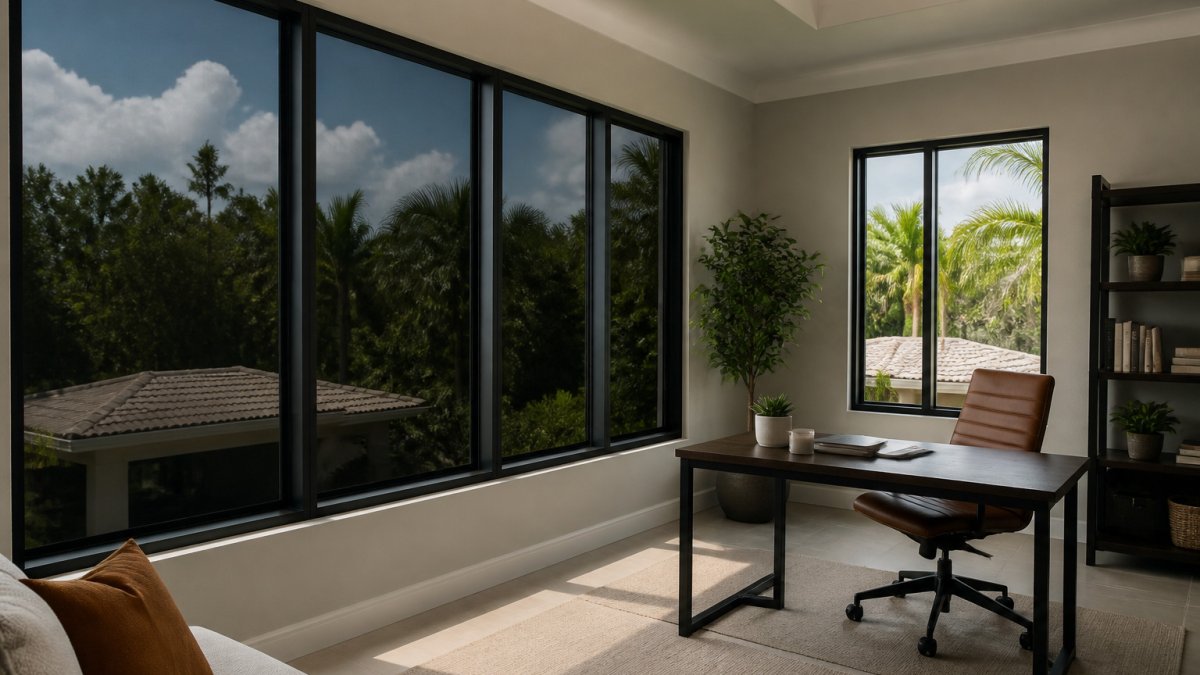
Yes. UV-blocking window film reduces the ultraviolet light that causes fading and discoloration in wood, fabric and leather. Film works best when it is matched to window orientation, since west- and south-facing windows in South Florida receive the strongest afternoon sun. Film does not block all light, so furniture placed well away from the glass still benefits from moving it out of direct sun. Many homeowners pair film with shades for the best overall result.
Can sun-faded furniture be restored?
Mild fading on some finished wood can sometimes be improved with a furniture polish or a cleaner suited to the finish, while sun-faded fabric upholstery is harder to restore. Professional upholstery cleaning, reupholstering or replacing cushion covers are common options when fading is severe. Prevention is far more effective than repair, so protecting pieces from sun exposure early on keeps them looking better for longer.
If sun is fading your home's furniture, Automotive, Residential, Commercial & Marine Window Tinting Services can help. Our team can assess your windows and recommend the right film or treatment for your space. Request a quote to find out which option fits your home.