 blog
Window Tinting Price, Reviews and Warranty: What to Expect from Coral Tint
Quick Summary
Coral Tint is a family-owned window tinting shop that has served South Florida since 1995, offering automotive, residential, commercial and marine tinting. Ask any shop for a written quote that lists the film brand, film type and coverage for your specific vehicle or windows before you book.
- Coral Tint has served South Florida since 1995 from its Coral Springs, FL location.
- We offer automotive, residential, commercial and marine tinting using precision-cut films.
- Get a written quote covering film brand, film type and service area before you book.
- Ceramic film blocks a high share of infrared heat while keeping visible light transmission higher than dyed film.
- Ask whether a warranty covers labor and film, lasts for a set term or lifetime, and is honored nationwide.
Table of Contents
- What Coral Tint Offers
- Window Tinting Pricing at Coral Tint: What Goes Into Your Quote
- Why Quotes Vary by Vehicle, Film and Install Type
- Coral Tint Reviews: Reading Customer Feedback Fairly
- Film Types, Heat Rejection and UV Protection Compared
- Automotive Window Tint Warranty: What to Ask For
- How Long Does Window Tinting Last?
- Booking Your Tint: Getting Quotes and Comparing Shops Side by Side
- Frequently Asked Questions
What Coral Tint Offers
Coral Tint, the business publishing this guide, is a family-owned shop serving South Florida since 1995, located at 10734 Wiles Rd, Coral Springs, FL 33076. We offer automotive, residential, commercial and marine tinting, using precision-cut films to reduce heat and glare, block UV rays and improve privacy.
Window Tinting Pricing at Coral Tint: What Goes Into Your Quote
Price is the question most readers ask first, and the honest answer is that it depends on your vehicle, the film you choose, and the coverage you want. Rather than quoting a single flat number, Coral Tint builds every quote around the specific details of the job so you know exactly what you are paying for.
When you request a quote, we start with the same details every time: your vehicle (for example, a mid-size sedan with four side windows and a rear glass), your film category (entry dyed, mid-grade carbon, or premium ceramic), and your coverage level (side and rear windows only, or full vehicle including windshield strip). We quote the film brand and product line by name, the visible light transmission and infrared rejection figures, the warranty term, and whether old-film removal is included, so there are no surprises when the job is done.
We install both dyed and ceramic film lines, and we are upfront about which is which and why the price differs. If a ceramic quote ever looks unusually low, ask what film is actually being installed and whether the warranty is backed by the film manufacturer or only by the installer. At Coral Tint, we back our installs with a manufacturer-backed warranty and stand behind the work.
Tell us your vehicle, film category, and coverage level, and we will give you an itemized quote with the line items spelled out, not just a bottom-line total.
If you are near Coral Springs, FL, you can request this kind of itemized quote in person. Stop by our shop at 10734 Wiles Rd, Coral Springs, FL 33076, and ask for a written breakdown before you decide.
Why Quotes Vary by Vehicle, Film and Install Type
Two quotes for the same car can differ widely, and the reasons are usually concrete. The first is the vehicle itself. A coupe with four side windows and a small rear glass costs less to tint than an SUV with a large rear hatch and a curved windshield strip.
The second is the film. Dyed film is the least expensive option and blocks less heat. Carbon and ceramic films cost more but reject more infrared heat without a heavy tint shade. A quote that is much cheaper than others may be using a lower-grade film, so compare the film specifications line by line.
The third is installation. Professional installers cut film to fit, clean the glass thoroughly and cure the film properly. Shortcuts here show up later as bubbling or peeling. That is why a lower quote is not automatically a better deal. Because careful installation matters just as much when replacing damaged glass, comparing how shops handle the work can help, as with CossLess Auto Glass.
Coral Tint Reviews: Reading Customer Feedback Fairly
Customer reviews are useful, but only if you read them with care. A handful of glowing or angry posts does not describe a provider's typical result.
Instead of chasing individual posts, build a small evidence table for Coral Tint. Note the number of reviews on the platforms where we have a presence, how recent the reviews are, and whether reviewers name the film line and the warranty outcome. Check whether the reviews are tied to our specific location or to the brand generally, since a brand-level review can hide differences between locations. Favor store-level feedback when it exists.
Look for patterns instead of single posts. Several reviews describing the same problem, such as peeling at the edges or inconsistent film darkness across windows, deserve more weight than one angry comment. Also check whether reviews mention the film brand and warranty honored, because those details predict long-term results. Reviews that describe a specific film, vehicle, and follow-up visit are more informative than star ratings alone.
A useful pattern to watch for is a complaint that repeats: bubbles or peeling in the first weeks, a rear defroster line that stops working after tint, or a warranty claim that gets redirected to the film manufacturer. If the same complaint shows up more than once, it usually points to installation practice or film grade. Ask us directly how we handle those specific issues, and what our warranty covers, before you book.
Reviews are a starting point, not a verdict. Weigh the number of reviews, how recent they are, and whether the reviewer owned the same vehicle type you do. Fifty recent reviews from owners of your vehicle model tell you more than thousands of reviews spread across unrelated locations. If you cannot find enough feedback for our shop in your area, ask us for local references and inspect a finished vehicle before you commit.
If you are in the Coral Springs, FL area, our shop at 10734 Wiles Rd, Coral Springs, FL 33076 welcomes walk-ins, so you can look at a finished vehicle and ask these same questions in person before you book.
Watch out: a cluster of five-star reviews posted in a short window, or reviews that praise staff friendliness without mentioning film or installation, can inflate a rating without telling you how the tint holds up.
Request a quote for your vehicle and film category, and ask us to walk through what is included, such as the film grade, the warranty terms and the install time, so you know exactly what you are paying for.
Film Types, Heat Rejection and UV Protection Compared
Film type matters more than brand name for how the window actually performs. Dyed film is the basic option. It reduces glare and provides privacy, but it blocks less heat and can fade over time. Carbon film is darker by default, does not fade, and blocks more infrared heat than dyed film. Ceramic film is the premium option for heat rejection, because it blocks a high share of infrared energy while keeping visible light transmission higher.
For drivers in hot climates, infrared rejection is the figure to compare, not just the darkness of the tint. A darker film does not automatically keep the cabin cooler. Ask each provider for the infrared rejection and UV blocking percentages of the specific film, not a general claim about "ceramic" or "premium."
Most quality films block nearly all UV rays, but confirm this on the spec sheet. For a deeper look at choosing among film types for a vehicle, home or boat, see our guide on choosing window tint film for your car, home or boat.
The table below sums up how the three main film types compare on the points the article covers.
| Film type | Heat rejection | Notes |
|---|---|---|
| Dyed | Blocks less heat | Least expensive; can fade or turn purple over time |
| Carbon | Blocks more infrared heat | Darker by default; does not fade |
| Ceramic | Blocks a high share of infrared | Premium option; higher visible light transmission |
Automotive Window Tint Warranty: What to Ask For
A warranty is only as good as its terms, so read the fine print before paying. Ask four questions. What does it cover: peeling, bubbling, fading, and color change? How long does it last, and is it lifetime or time-limited? Does it cover labor as well as film? And is it honored nationwide or only at the installing shop?
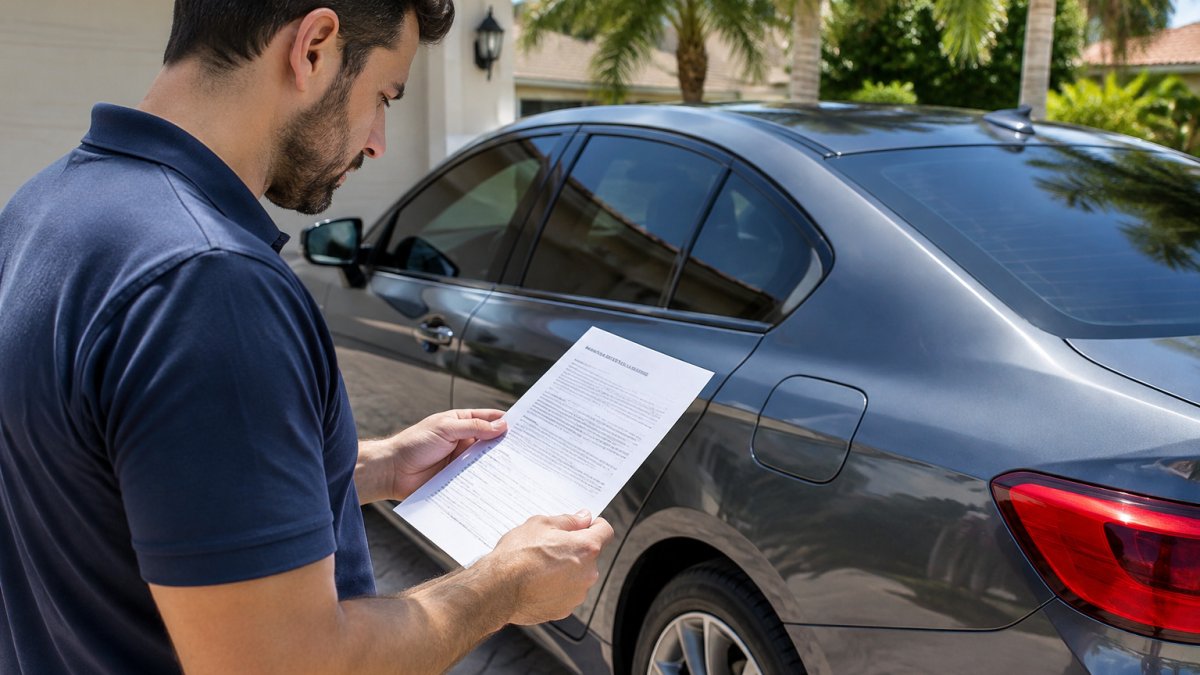
Coral Tint offers a nationwide lifetime warranty, which means a tint job done here can be serviced at a participating location if you move or travel. Our shop is located at 10734 Wiles Rd, Coral Springs, FL 33076, if you would like to stop by for a quote or service.
How Long Does Window Tinting Last?
Film lifespan depends on film type and installation quality. Dyed film is the most likely to fade or turn purple over time. Carbon and ceramic films generally hold their color longer. Proper curing after installation, typically several days during which the film should not be rolled down, also affects how long the bond holds.
A realistic expectation for a quality film professionally installed is many years of service, but the exact figure depends on sun exposure and the film chosen. Read our dedicated window tint lifespan guide for a fuller breakdown of how long each film type tends to hold up.
Booking Your Tint: Getting Quotes and Comparing Shops Side by Side
When you request quotes, make the comparison apples to apples. Give each shop the same information: the make and model of your vehicle or the size of your windows, the film type you want and the coverage you need. Ask for the film brand, film specification, warranty terms and whether the price includes removal of old film.
For a fuller look at that trade-off, read why choosing a local window tinting shop can be the better option.
Once you have quotes in hand, you can request a quote from Coral Tint to compare our film specifications, warranty and timeline directly against the other shops you are considering. Coral Tint is located at 10734 Wiles Rd, Coral Springs, FL 33076.
Frequently Asked Questions
Is Coral Tint reputable?
Coral Tint's reputation is built on the work completed at our Coral Springs location. Check our recent reviews, ask to see examples of completed work, and we will confirm our warranty terms in writing before you book.
How much does window tinting cost at Coral Tint?
Final cost depends on your vehicle size, the film type you choose, the number of windows and whether the job is a full or partial tint. Request a quote for your specific vehicle so you know exactly what is included before you book.
Does Coral Tint offer ceramic tint?
Yes, Coral Tint offers ceramic film for heat and infrared rejection without a heavy metallic look. Ask us for the product line, the film's infrared and UV rejection ratings and our warranty terms before booking.
How long does automotive window tint last?
Quality automotive window film from a professional installer commonly lasts many years, and many shops offer warranties that cover bubbling, peeling, fading or discoloration. Lifespan depends on the film type, installation quality, sun exposure and how the windows are cleaned. Dyed films tend to fade sooner than ceramic or carbon films. Ask the shop how long the film is expected to last and what the warranty covers before you choose.