 Comparison
Is Professional Window Tinting Worth It: Costs, Film Types, and Value
Last Updated: November 13, 2026
Quick Summary
Professional window tinting is worth it for most drivers who spend long hours in hot, sunny conditions, since it reduces cabin heat, blocks UV rays, and controls glare. Published prices commonly range from $150 to $900, so the value depends on your priorities and the film you choose.
- Published cost guides place professional car window tinting at roughly $150 to $900 in 2026.
- Check your state's visible light transmission limits before buying, since illegal tint can mean a ticket and removal costs.
- Film construction matters more than darkness, so ask for infrared rejection data on the specific film.
- DIY kits often leave bubbles or creases, which can lead to a second attempt or a professional fix.
- Ceramic film costs more but rejects more heat and infrared light than standard dyed film.
Table of Contents
- Is Professional Window Tinting Worth the Investment?
- Heat Reduction, UV Protection, and Glare Control: What Tint Actually Does
- How Much Professional Car Window Tinting Costs
- Professional vs DIY Window Tint: Total Cost and Outcome
- Ceramic Window Tint vs Standard Film: Is the Upgrade Worth It?
- How Long Does Window Tint Last and What Affects Its Lifespan
- Booking Your Tint Installation: Questions to Ask Before You Commit
- Frequently Asked Questions
Is Professional Window Tinting Worth the Investment?
Professional window tinting is worth it for most drivers who spend a lot of time in a hot, sunny vehicle, but the answer depends on what you want the film to do. Window tinting is a purchase that buys comfort, interior protection, and privacy, and whether those benefits justify the price comes down to your priorities.
The decision usually comes down to a few clear questions. Do you park outside daily? Do you drive long distances in direct sun? Would you rather keep your dashboard and seats from cracking over time? If you answered yes to any of these, tint is likely a practical buy.
Published cost guides place professional car window tinting at roughly $150 to $900 in 2026, with most drivers paying $250 to $600 depending on vehicle size and film type (Xtreme Detailing USA 2026 window tint cost guide). That range is wide, so the real question is what you get for the higher end of it.
Watch out: tint is not legal everywhere at every darkness level. Check your state's visible light transmission limits before you buy, because a film that is illegal can mean a ticket and a removal bill. AAA's guide to car window tinting also flags state law as a key consideration before tinting (AAA car window tinting complete guide).
Heat Reduction, UV Protection, and Glare Control: What Tint Actually Does
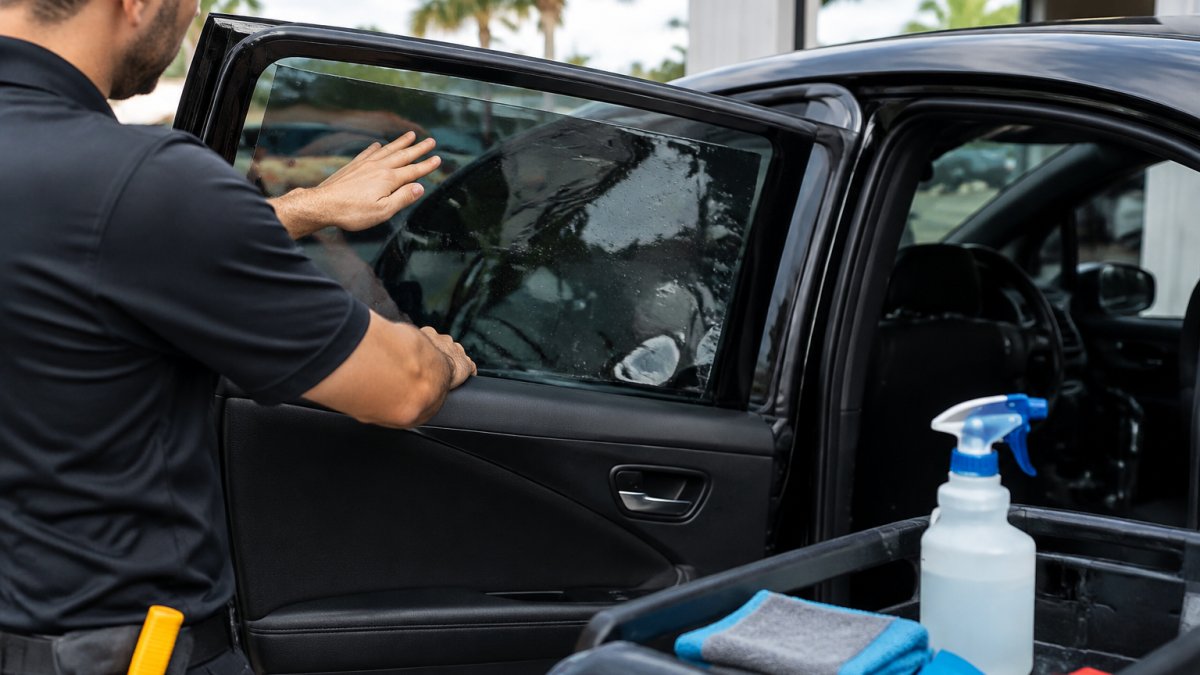
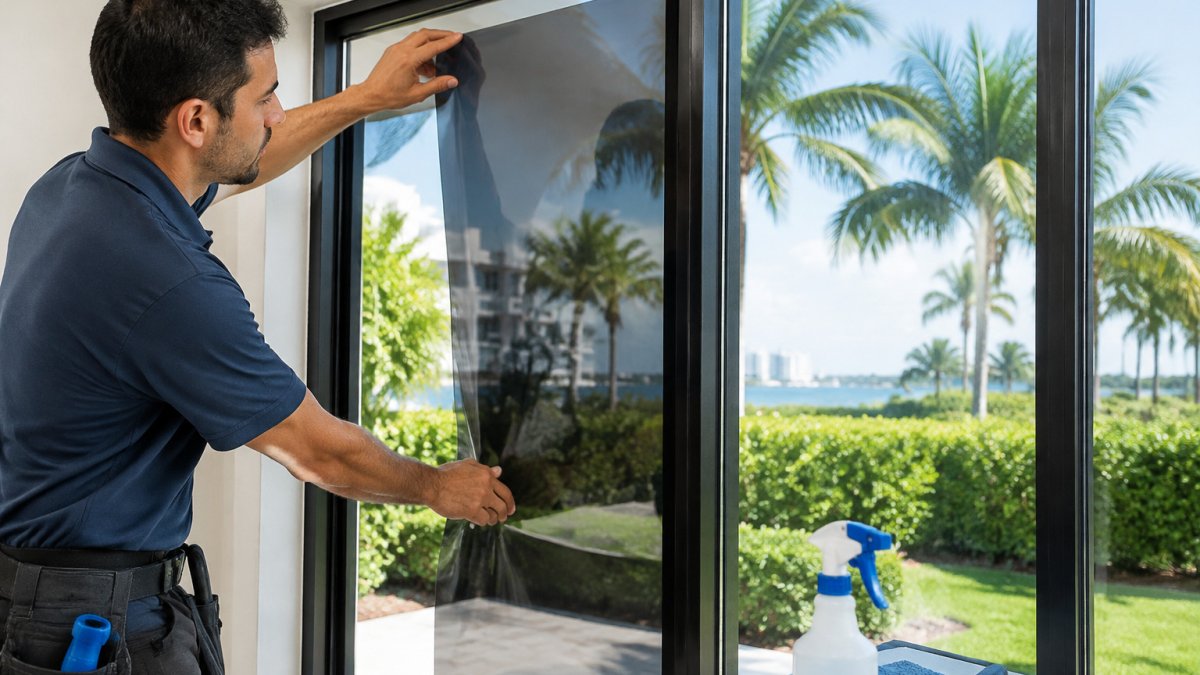
Window film is a thin layer applied to the inside of glass that reduces the sun's heat, ultraviolet light, and glare passing through it. Tint does not block everything, and the performance you get depends on the film construction, not just how dark it looks.
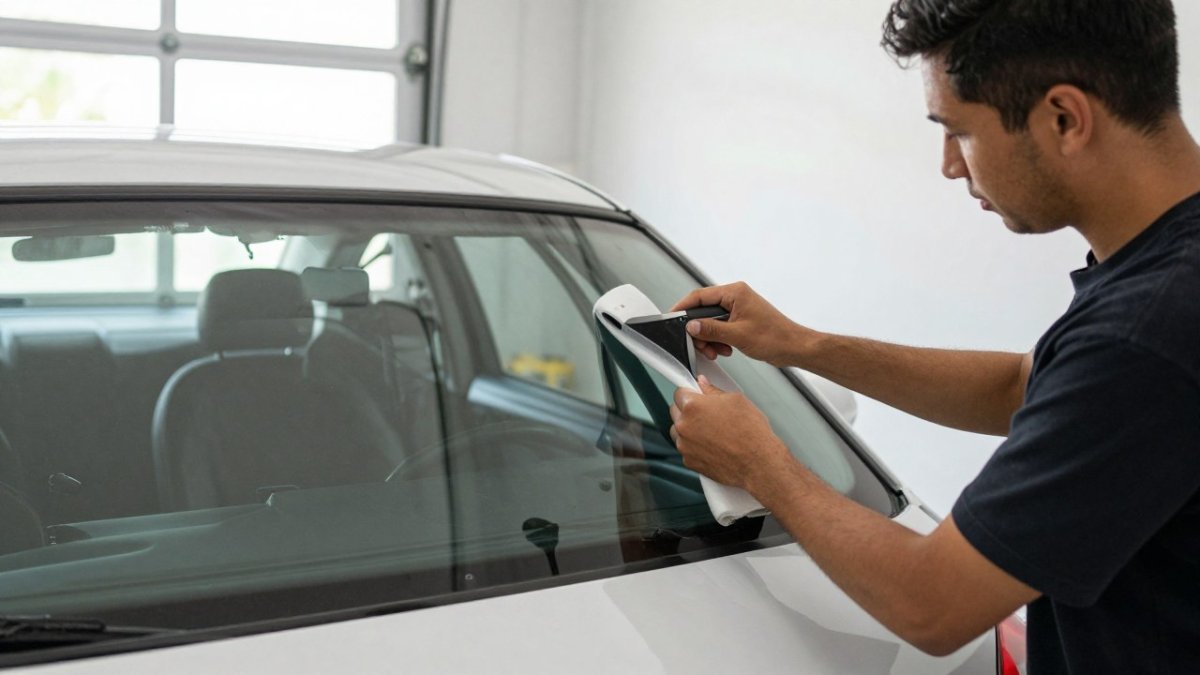
Heat rejection is the most noticeable benefit. Darker film does not automatically mean more heat rejection, which is why film construction matters as much as darkness. Compare how long different films last and why if lifespan is your main concern. Ask your installer for infrared rejection data on the specific film, not only the darkness rating.
UV protection is another strong reason to tint. Film blocks most ultraviolet rays, which helps slow fading and cracking on dashboards, seats, and trim. For drivers who keep a car for years, that protection adds up.
Glare control is the benefit many drivers feel first. Reduced glare makes long drives easier on the eyes, particularly in low sun. The trade-off is that very dark film can reduce visibility at night, so balance darkness against your daily driving conditions.
How Much Professional Car Window Tinting Costs
Professional tinting prices depend on vehicle size, the number of windows, and the film you choose. A standard sedan is usually at the lower end, while SUVs and larger vehicles cost more. One cost guide puts a typical professional range at $150 to $400 for standard sedans, with larger vehicles starting around $200 and up (CarLikeWrap car window tint cost guide).
Pricing depends on the vehicle, the windows included, and the film selected. For current prices, request a quote from our team.
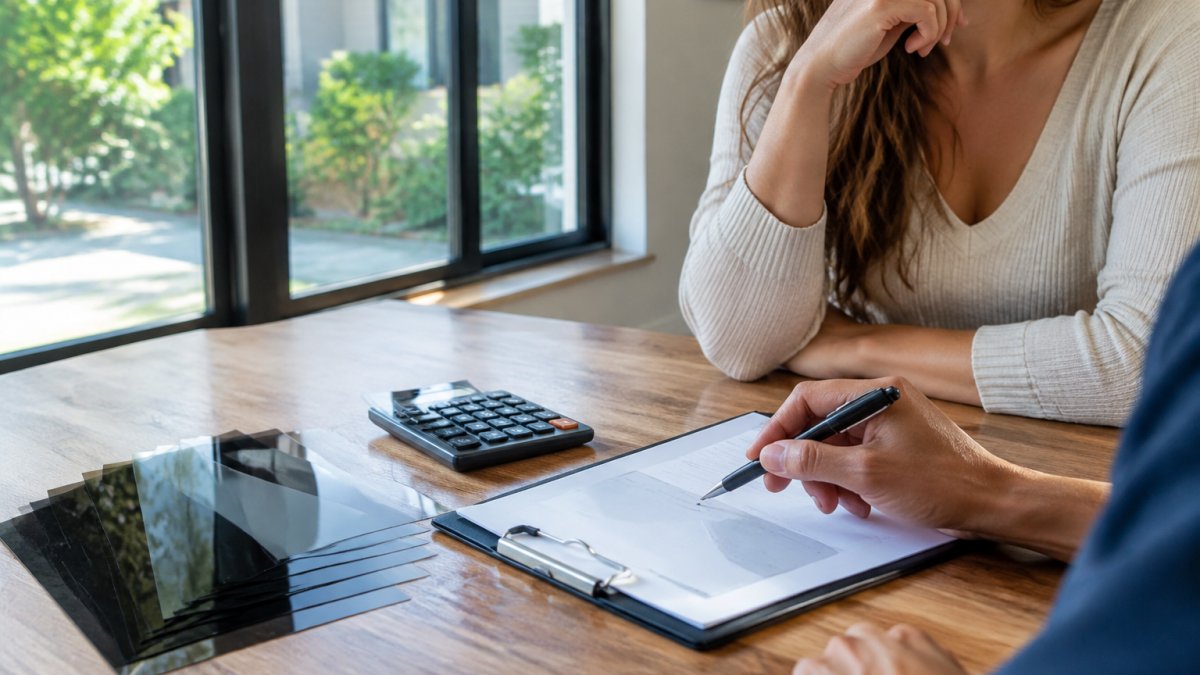
When you compare quotes, make sure each one lists the same film type and window coverage. A lower price on a different film is not a true comparison.
Professional vs DIY Window Tint: Total Cost and Outcome
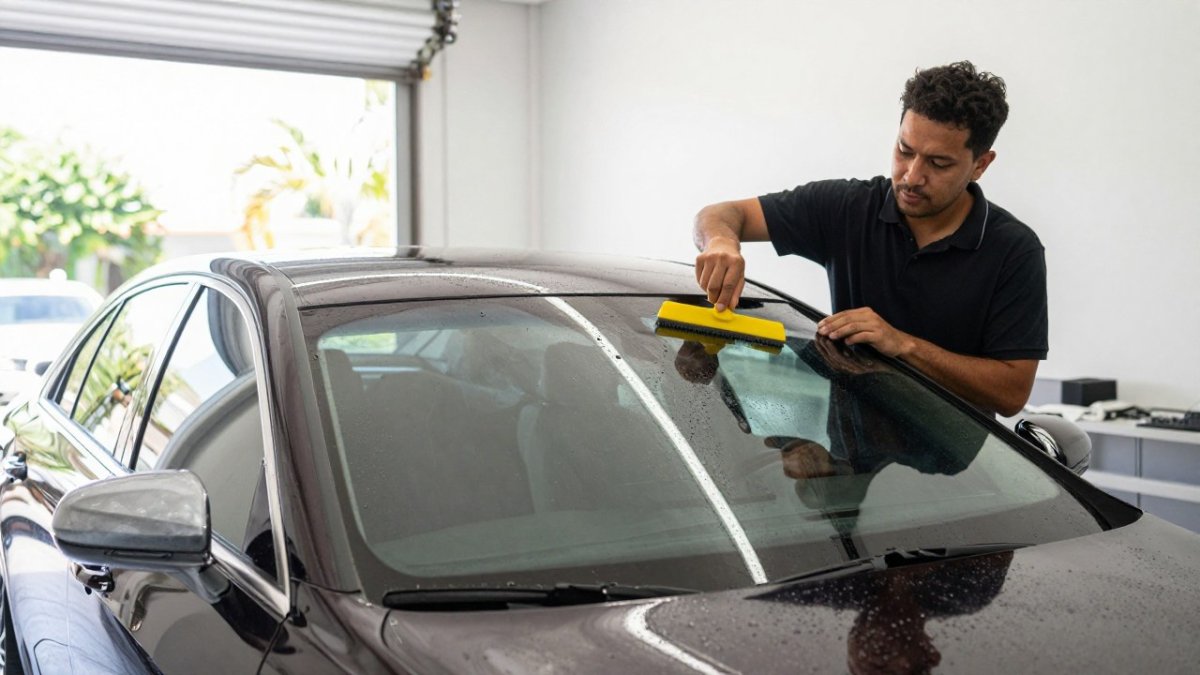
DIY kits look cheap on paper, but the real cost includes film, tools, and the time to get a clean result. Most first-time DIY installs leave bubbles, creases, or dust under the film. Those flaws usually mean a second attempt or a professional fix.
A fair comparison starts with what each path actually requires. A DIY install unbundles those, and the hidden line items are where budgets break.
| Factor | Professional Install | DIY Install |
|---|---|---|
| Upfront cost | Higher, but includes film, labor, and warranty | Lower film cost, plus tools and your time |
| Tools needed | Heat gun, squeegees, slip solution, plotter or pre-cut film | Heat gun, squeegees, slip solution, trimming tools, practice film |
| Edge and seal quality | Clean, precise cuts with sealed edges | Often visible gaps or lifted edges |
| Time required | Typically a few hours | Often a full weekend, plus a redo |
| Risk of bubbling | Low with quality film | Higher for beginners |
| Rework risk | Covered by workmanship warranty | Usually paid out of pocket |
| Warranty | Often included | Usually none |
A common pattern is that first-time DIYers spend on tools and practice film, and the savings can disappear if a window has to be redone. On rear windows with defroster lines, the risk is higher because heat shrinking and trimming around the grid take practice, and a bad cut can damage the defroster.
Watch out: cheap film is more prone to bubbling and peeling, and a low DIY film price often shows up as a replacement cost within a few years.
When you compare a professional quote against DIY, ask what the warranty covers and who performs the work. For a current professional quote on your vehicle, request a quote from our team and we will confirm the exact cost and film options.
Ceramic Window Tint vs Standard Film: Is the Upgrade Worth It?
Ceramic film uses non-metallic ceramic particles to reject heat and infrared light without the signal interference that metal films can cause. Standard dyed film is cheaper and blocks glare well, but it rejects less heat.
The upgrade question is easier to answer when you compare films on the metrics installers actually publish. Most manufacturers report total solar energy rejected, infrared rejection, ultraviolet rejection, visible light transmission, and glare reduction. Those numbers matter more than the darkness rating, because a dark dyed film and a lighter ceramic film can look similar while performing very differently.
| Metric | Dyed film | Carbon film | Ceramic film |
|---|---|---|---|
| Heat rejection (total solar energy) | Lower | Moderate | Higher |
| Infrared rejection | Lower | Moderate | Higher |
| UV rejection | High | High | High |
| Glare reduction | Good | Good | Good |
| Signal interference | None | None | None |
| Color stability over time | Can fade or turn purple | More stable | Most stable |
| Typical price position | Lowest | Middle | Highest |
Read the numbers with care. Visible light transmission is the percentage of light that passes through, and it is the figure state law regulates, so a low number means darker film, not automatically cooler film. Infrared rejection describes how much of the sun's infrared band is blocked, and it is the metric most often quoted for ceramic film. Total solar energy rejected combines the full solar spectrum and is the better single number for cabin heat. UV rejection is typically high across all quality films, so it is a weak reason to upgrade on its own.
The ceramic upgrade can be worth considering for drivers who park outside daily, commute in direct sun, or keep a vehicle for many years. The upgrade is harder to justify for a garage-kept car, a lease you will return in two years, or a buyer whose main goal is privacy and a darker look. In those cases, a quality dyed or carbon film can be the better value.
Watch out: a quote that lists only a darkness percentage and no heat or infrared data is not a true film comparison, so ask for the manufacturer's performance sheet on the exact film before you approve the upgrade.
How Long Does Window Tint Last and What Affects Its Lifespan
Lifespan depends on the film type, how well it was installed, and how the car is cared for.
Curing time matters. After installation, avoid rolling the windows down for several days so the adhesive can set. Clean with a soft cloth and ammonia-free cleaner, never abrasive tools.
Heat and sun exposure can age film faster, so pay attention to edge peeling early. Learn the film care steps that help prevent peeling.
Booking Your Tint Installation: Questions to Ask Before You Commit
Before you book, ask a few direct questions. What film brand and type will you use? Is the warranty covering bubbling, peeling, and color change? How long will the install take, and will I need to avoid rolling my windows down afterward?
We are a family-owned business that has served South Florida since 1995, and we offer same-day auto window tinting along with a nationwide lifetime warranty. If you want to compare local installers against larger chains, learn why choosing local tinting matters before you decide.
Once you know what you need, read our full guide to booking professional window tinting to walk through the process step by step.
Frequently Asked Questions
Is professional window tinting worth the cost?
For most drivers in hot climates, professional window tinting is worth the cost because it reduces cabin heat, blocks most UV rays, and helps protect interior surfaces from fading. Pricing depends on vehicle size and film type, so request a quote for current prices. Value depends on how much you drive in direct sun, how long you plan to keep the vehicle, and whether you want privacy or glare control as well. Tint legality also varies by state, so confirm local limits before choosing a film darkness.
How long does professionally installed window tint last?
Lifespan depends on film type, installation quality, and sun exposure. Low-cost tint is more likely to bubble, peel, or turn purple over time. Avoid rolling down freshly tinted windows for the recommended curing period, and clean with a non-ammonia cleaner. Ask any installer about their warranty terms before booking.
Is ceramic window tint worth the extra cost?
Ceramic window tint costs more than standard dyed film. Compare the heat and infrared specifications of each film before deciding. Drivers who mainly want heat reduction and comfort often find the upgrade worthwhile. Buyers focused only on basic privacy may be satisfied with less expensive film. Compare visible light transmission and heat rejection specs before deciding, and ask whether the price includes a warranty.
Is professional window tint better than DIY tint?
Professional installation generally produces cleaner edges, fewer bubbles, and better long-term results than DIY tinting. DIY kits look cheaper upfront, but mistakes such as dust trapped under the film, poor fit around curved glass, or incorrect cutting can require costly replacement. Professional installers also know local tint rules and can advise on film options. Compare total cost, including the price of a failed attempt, before choosing DIY.