 Comparison
What Does Residential Window Tinting Cost in 2026?
Last Updated: November 7, 2026
Quick Summary
Residential window tinting costs vary widely, depending on window size, film type, and how many windows you tint. Film alone typically runs $5 to $8 per square foot for basic film, $8 to $12 for mid-range, and $12 or more for premium. Request a written quote for your home.
- Film pricing ranges from $5 to $8 per square foot for basic film up to $12 or more for premium.
- Measure each window's width and height in feet and multiply to get square feet.
- Ask for quotes that list film, labor, old film removal, and minimum or trip fees separately.
- Second-story windows, tempered glass, and divided panes add labor because they take longer to fit.
- Request warranty terms in writing, including what they cover and whether they transfer.
Table of Contents
- What Residential Window Tinting Costs on Average
- Residential Window Tint Cost per Square Foot
- Window Tint Cost per Window and Itemized Examples
- What Drives the Price of a Home Tinting Project
- Home Window Tinting Pros and Cons
- How Long Home Window Tinting Lasts
- Getting a Written Estimate for Your Home Windows
- Frequently Asked Questions
What Residential Window Tinting Costs on Average
Residential window tinting costs vary widely. The total depends on window size, the type of film, and how many windows you tint. Pricing depends on these factors, so request a written quote for your home.
Those figures are national estimates. A single room with two windows will cost far less than a whole-house job covering 20 panes, so treat the average as a starting benchmark rather than a quote for your home. This Old House home window tinting cost guide lays out these project-level ranges in more detail.
Three factors move the number most: how many windows you have, the film tier you choose, and whether old film needs to be removed first. Get those three details pinned down before you compare quotes.
Residential Window Tint Cost per Square Foot
Installed residential window film pricing depends on film quality, labor, and the size of the job. Contact Coral Tint for a quote based on your windows.
Film pricing also varies by tier. Film Systems 2025 window film pricing guide lists basic film at $5 to $8 per square foot, mid-range film at $8 to $12, and premium film at $12 or more. Ceramic residential film sits at the higher end of that scale (How Much Does It Cost To Tint Windows?).
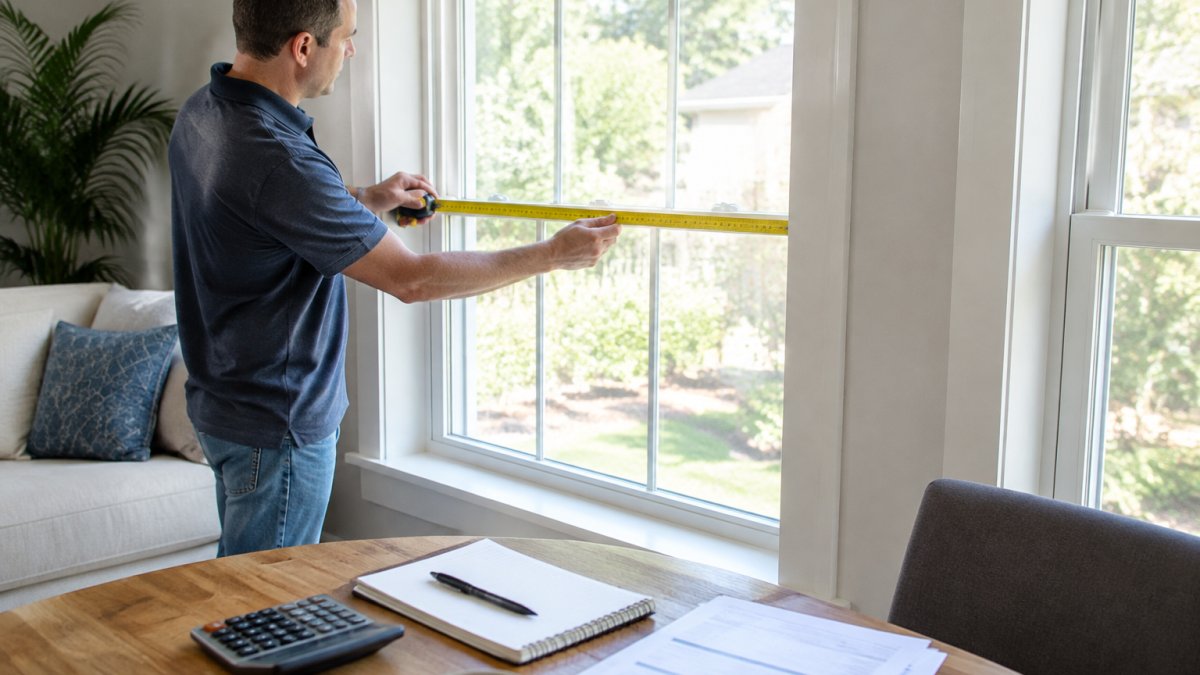
To understand your own project, measure each window's width and height in feet and multiply to get square feet, then ask for a quote that lists materials and installation separately.
Window Tint Cost per Window and Itemized Examples
Per-window pricing can be hard to compare when window sizes differ. An itemized estimate that lists measurements, film choice, and labor makes bids easier to compare.
Start by measuring each pane's visible glass width and height in feet and multiplying to get square feet. Then ask for line items for film, labor, removal of old film, and any minimum or access charges.
Below are three sample estimates that show how the math works. The per-square-foot rates reflect the ranges cited above; the totals are illustrative and will vary with local labor rates and film selection.
| Line Item | Small Condo (6 windows, ~80 sq ft) | Mid-Size Home (14 windows, ~190 sq ft) | Large Home (22 windows, ~320 sq ft) |
|---|---|---|---|
| Film tier | Standard solar, $6/sq ft | Mid-range ceramic, $9/sq ft | Premium ceramic, $13/sq ft |
| Film and materials | $480 | $1,710 | $4,160 |
| Labor and installation | $240 | $760 | $1,760 |
| Old film removal (if needed) | $0 to $120 | $150 to $300 | $250 to $500 |
| Minimum charge or trip fee | $0 to $75 | $0 | $0 |
| Estimated total | $720 to $915 | $2,620 to $2,770 | $6,170 to $6,420 |
Pricing for a job depends on its size and film choice. Film, labor, removal, and fees should each appear as a separate line so you can see what you are paying for.
Watch out: a quote that gives only a single lump-sum total, with no square footage or film specification, is nearly impossible to compare against another bid. Ask the installer to break out glass area, film product name, labor, and removal before you sign.
When you request quotes, give each installer the same window count and measurements so the bids are easier to compare.
What Drives the Price of a Home Tinting Project
Several variables affect the cost of a project, and understanding them helps you read a quote.
Glass area and window count. Larger panes need more film and more labor, but the relationship is not perfectly linear. Some installers charge a minimum per window or per trip, which can affect the cost of a job with many small windows. Divided-light windows, French doors, and panes with muntins add labor because each small section must be cut and fitted separately.
Film type and performance tier. Different films, such as solar control, privacy, decorative, and security films, serve different purposes, and their options and ratings should be discussed with your installer.
Access and installation complexity. Second-story windows, tight frames, tempered or curved glass, and windows above furniture or landscaping take longer to work with. Height access may require ladders, scaffolding, or lift equipment. Existing coatings, low-e glass, and damaged glass can also affect compatibility and price, so tell the installer what kind of glass you have before the visit.
Old film removal and surface preparation. If previous tint has bubbled, yellowed, or baked onto the glass, the installer must scrape and clean it off before new film goes on. Removal is labor-intensive, so confirm whether it is included in your quote. Surface preparation, including cleaning and dealing with adhesive residue, also adds time.
Beyond those four, watch for line items that vary between quotes, such as fees, cleanup, and warranty terms. Ask each installer to list what is included and what is excluded, and compare quotes line by line rather than on the headline price.
Ask about warranty terms in writing, including what they cover, how long they last, and whether they transfer if you sell the home.
Home Window Tinting Pros and Cons
Residential tinting has real benefits. It can reduce glare and heat gain, block UV rays, add privacy, and help protect furniture and flooring from fading. Some homeowners also see lower cooling costs, though the savings vary with climate, window orientation, and the film chosen.
The drawbacks are worth weighing. Film can make rooms darker, which matters for rooms that rely on natural light. Cheap film can peel or discolor within a few years, and a poor installation can leave bubbles or edge lift. For more on privacy-focused options, see our guide to window tinting for privacy at home, and for energy-related savings, see how window tinting reduces electric bills.
How Long Home Window Tinting Lasts
Quality residential film, professionally installed, can last many years, while lower-grade film may fail sooner. Lifespan depends on film quality, sun exposure, and how well the installer prepared the glass. A south-facing window in full sun will age faster than a shaded one.
Good upkeep extends the life of the film. Avoid ammonia-based cleaners on the film surface, and do not scrape it with sharp tools. Our window tint film care steps that prevent peeling explain the habits that matter most. For a fuller picture of what affects durability, read how long window tinting lasts.
Getting a Written Estimate for Your Home Windows
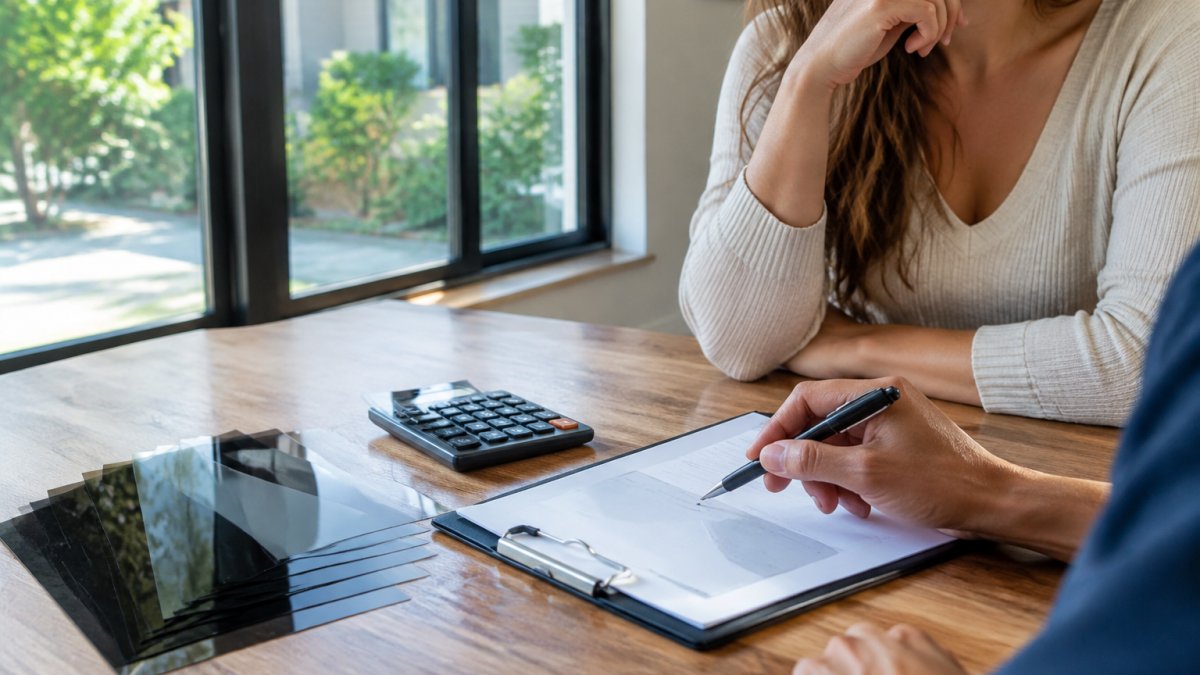
Before you sign anything, request a written estimate that lists each window, its square footage, the film type, and whether removal, labor, and warranty are included. A detailed estimate lets you compare installers on equal terms, which matters more than the headline price.
Ask about the warranty in writing, including what it covers and for how long. Confirm the installer will return to fix defects. Then compare the estimates line by line. When you are ready to move forward, you can book professional window tinting and request a quote tailored to your home.
Frequently Asked Questions
How much does it cost to tint a residential window?
Costs depend on window size, film type, and how many windows are tinted. Request a written estimate from Coral Tint that lists the windows, film type, and installation fees before you commit.
Is tinting your house windows worth it?
Whether window tinting is worth the cost depends on your home's sun exposure, your energy costs, and whether privacy or fading matters to you. Solar-control films can reduce heat and glare and help protect furniture, flooring, and artwork from UV damage. Results vary by window orientation and film quality, so the most reliable way to judge value is to compare a written quote against the comfort and protection you expect to gain.
What are the downsides of home window tinting?
The main downsides are upfront cost, the possibility of reduced natural light if a darker film is chosen, and the need for careful installation to avoid bubbling, peeling, or edge lift. Lower-quality films may fade or discolor sooner. Film also has a finite lifespan, so replacement will eventually add to the total cost of ownership. Asking an installer about film quality, warranty terms, and how the film will look in your rooms can help you avoid these problems.
Is window tinting priced per window or per square foot?
Both pricing models are common. Some installers quote per square foot of glass, often in the range of $6 to $15 for residential work, while others quote per window or per project. Per-window pricing can be more transparent for a small number of large panes, while per-square-foot pricing can make large or unusually shaped windows easier to compare. Ask for the pricing model in writing so you can compare quotes on the same basis.