 Listicle
How to Get the Benefits of Residential Window Tinting
Quick Summary
Residential window tinting is a thin film on home windows that controls heat, light, and UV exposure. Its main benefits are lower indoor heat and cooling costs, UV protection for furniture and flooring, daytime privacy, and glare reduction. The size of each benefit depends on window orientation, film type, and the home itself.
- West- and south-facing windows usually see the largest comfort and cooling gains from film.
- Film blocks UV rays through glass, which slows fading of furniture, rugs, and flooring.
- Compare films using solar heat gain coefficient (lower means less heat) and visible light transmission (lower means darker).
- Check glass type and film compatibility before installation, especially with dual-pane or low-emissivity windows.
- Film does little to hide a lit interior after dark, so curtains or blinds may still be needed.
Table of Contents
- What Residential Window Tinting Does for Your Home
- Lower Indoor Heat and Cooling Costs
- Blocking UV Rays to Protect Furniture and Flooring
- Daytime Privacy and Glare Reduction
- Film Types, Compatibility and Glass Safety
- Disadvantages of Home Window Tinting to Weigh
- Booking a Residential Tint Consultation at Coral Tint
- Frequently Asked Questions
What Residential Window Tinting Does for Your Home
Last Updated: November 14, 2026
Residential window tinting is a thin film applied to the interior surface of home windows to control heat, light, and UV exposure. At Coral Tint, we install residential films for homeowners across South Florida, where afternoon sun can push indoor temperatures up quickly. The benefits of residential window tinting fall into a few clear categories: comfort, energy use, furniture protection, and privacy. Each one matters differently depending on which way your windows face and how much sun they take in.
Market researchers project that the window tint market will reach $4,743.34 million by the end of 2026, driven by energy conservation, safety, and aesthetics (Cognitive Market Research window tint market report). That growth reflects a broader shift. Homeowners are no longer treating window film as a cosmetic upgrade alone. They are treating it as a practical way to manage the house.
Residential film also comes with trade-offs. The benefits are real, but they depend on the film type, the window orientation, and the home itself. We cover those trade-offs in detail below, along with how to choose a film that fits your situation.
Lower Indoor Heat and Cooling Costs
Heat through glass is one of the biggest drivers of cooling load in a home, especially on west- and south-facing windows that take direct afternoon sun.
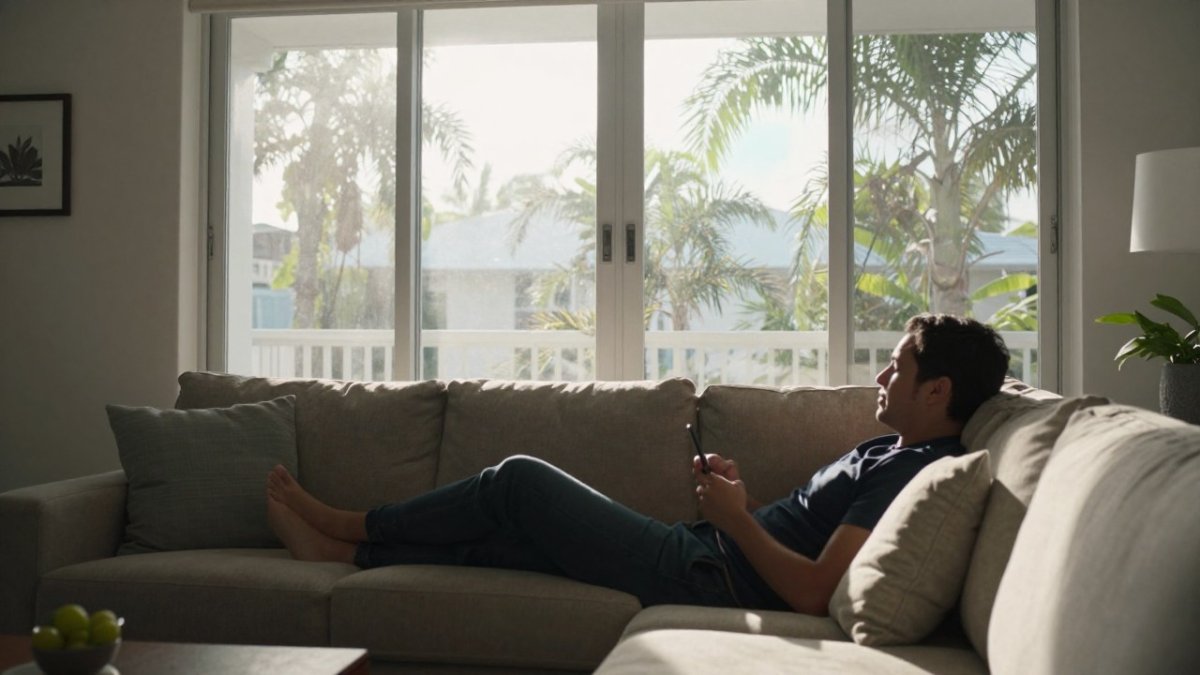
Instead of repeating a single savings percentage, it helps to run a simple, transparent estimate. A practical framework looks like this:
- Find your cooling share. Pull twelve months of electric bills and estimate what portion goes to cooling. In warmer climates, cooling is often the largest seasonal driver; in milder ones it is smaller. Your utility may publish average residential rates you can use as a starting assumption.
- Estimate the glass-driven load. Not all cooling load comes through windows. Sun-exposed glass is typically a meaningful but partial share of the total cooling load, with the rest coming from attic heat, air leakage, appliances, and occupants.
- Apply a film performance range. Film specifications list solar heat gain coefficient (SHGC) and visible light transmission (VLT). A lower SHGC means less solar heat enters.
- Convert to dollars. Multiply the estimated cooling savings in kilowatt-hours by your effective electric rate. That gives a rough annual figure you can compare against installed cost.
- Build a payback range. Divide installed cost by estimated annual savings to get a simple payback in years. Run it at a conservative and an optimistic film performance level so you see a range rather than a single number.
A common pattern is that west- and south-facing windows with large glass area and long afternoon sun exposure produce the most noticeable comfort and cooling improvements, while north-facing and shaded windows produce less.
Seasonal effects cut both ways. In cooling-dominated climates, the savings show up in summer. In heating-dominated climates, some films can reduce useful passive solar gain in winter, so film selection and orientation matter more. A film that performs well in one climate and orientation may underperform in another.
Watch out: published maximum savings figures usually describe favorable test conditions, not a typical home.
For a clearer sense of what the investment looks like, see What Does Residential Window Tinting Cost in 2026?. Our guide on 5 Ways Window Tinting Reduces Electric Bills for Homeowners walks through how these savings add up over a year.
The article's key points on what drives savings and how cooling costs are affected are summarised below.
| Factor | Effect on savings | Note |
|---|---|---|
| West- and south-facing windows | Largest comfort and cooling gains | Take direct afternoon sun |
| North-facing or shaded windows | Smaller gains | Less solar heat to block |
| Single-pane glass, little shade | More benefit | Typically sees larger improvement |
| Well-insulated, shaded homes | Less benefit | Efficient glazing already limits gain |
| Solar heat gain coefficient (SHGC) | Lower means less solar heat | Compare films on this figure |
| Visible light transmission (VLT) | Lower means a darker room | Balance against daylight needs |
Blocking UV Rays to Protect Furniture and Flooring
UV light is the main cause of fading in furniture, rugs, hardwood floors, and artwork. Residential film blocks UV rays, which slows that damage. Window film can block a large share of UV rays, and this protection applies even on overcast days when UV still reaches the glass.
Keep the scope of this claim in mind. Film protects against UV that passes through glass. It does not replace UV-blocking window treatments for every surface, and fading will still occur over time on items that receive direct light. The practical benefit is slower fading, which matters most for expensive flooring, upholstery, and framed pieces.
Protecting skin is another reason homeowners choose UV-blocking film, particularly in rooms where people sit near windows for long periods. American Cancer Society guidance on UV exposure indoors and out explains how UV exposure accumulates over time, which is why reducing it through glass is a reasonable comfort and health consideration.
For a closer look at the UV question specifically, read Does Window Tinting Block UV Rays?. If your main concern is preventing sun damage indoors, How to Prevent Sun Damage to Furniture at Home covers the other steps worth taking alongside film.
Daytime Privacy and Glare Reduction
Many homeowners want their rooms to stay bright while being hard to see into from outside. Reflective and tinted residential films can help with both. From the inside, the view out stays clear enough for daily use, while the glass becomes less transparent from the street or a neighboring property.
Privacy depends on the time of day. During daylight, the inside of a room is usually brighter than the outside, which makes the glass more opaque from the outside. After dark, the effect reverses. A lit room can be visible from outside even with film, so privacy after sunset may require curtains or blinds in addition to the film.
Glare is the other daytime benefit. Reducing harsh direct sunlight makes screens easier to read and living spaces more comfortable during the afternoon. The tradeoff is that darker films also reduce the amount of natural light entering the room, so choosing a film that balances glare control with brightness is important, especially in rooms that depend on daylight.
For a complete walkthrough of privacy options, see Window Tinting for Privacy at Home: A Complete Guide.
Film Types, Compatibility and Glass Safety
Residential films differ in how they reject heat, how much visible light they let through, how reflective they look, and how they age. Choosing well means matching the film to your priorities and to the glass it will sit on. The main categories:
- Ceramic films are a common residential option for living spaces where appearance matters. They are a common choice for living spaces where appearance matters and glare is a concern.
- Dyed films mainly reduce glare and visible light at a lower cost. They offer less heat rejection and can fade faster in intense sun.
- Metallic films reflect strongly and control heat well, but they can look more mirror-like and, in some cases, interfere with cell or Wi-Fi signals depending on the coating.
- Carbon films offer solid heat control with a matte, non-metallic look and no metal content, which some homeowners prefer aesthetically.
- Reflective and privacy films prioritize daytime privacy and glare control, often at the cost of a darker or more mirrored exterior appearance.
- Safety and security films are thicker and designed to hold glass together on impact rather than primarily to manage heat.
Performance is best compared on two published numbers: solar heat gain coefficient (SHGC), where lower means less solar heat enters, and visible light transmission (VLT), where lower means a darker room. A film with a low SHGC and a moderate VLT is often the balance point for rooms that need both comfort and daylight.
Compatibility is where many projects go wrong. Dual-pane insulated glass units, windows with low-emissivity coatings, and some factory-tinted or laminated glass can be sensitive to film, so compatibility should be checked before installation. Before installation, have the installer confirm the glass type, check the window manufacturer's guidance on film, and select a film rated for that glazing. Professional compatibility checks are worth the time.
Glass safety is a separate benefit many homeowners overlook. Glass safety is a separate benefit many homeowners overlook, and thicker safety films are a different product from solar films.
Ask any installer what its warranty covers and how long it lasts. Coral Tint can explain the film options suited to your windows; visit us at 10734 Wiles Rd, Coral Springs, FL 33076.
Disadvantages of Home Window Tinting to Weigh
Residential tinting is not right for every home or every window. Being clear about its limits helps you decide whether it is worth it for you.
- Reduced natural light: Darker films can make rooms dimmer, which may increase lighting use during the day.
- Lower visibility at night: Film does little to hide a lit interior after dark.
- Variable savings: Energy savings depend on climate, orientation, and existing insulation. Results will not match published maximums in every home.
- Film aging: Lower-quality films can fade, bubble, or peel over time, particularly when installation is rushed.
- Compatibility limits: Some windows need specific film types or may not be suitable for film at all.
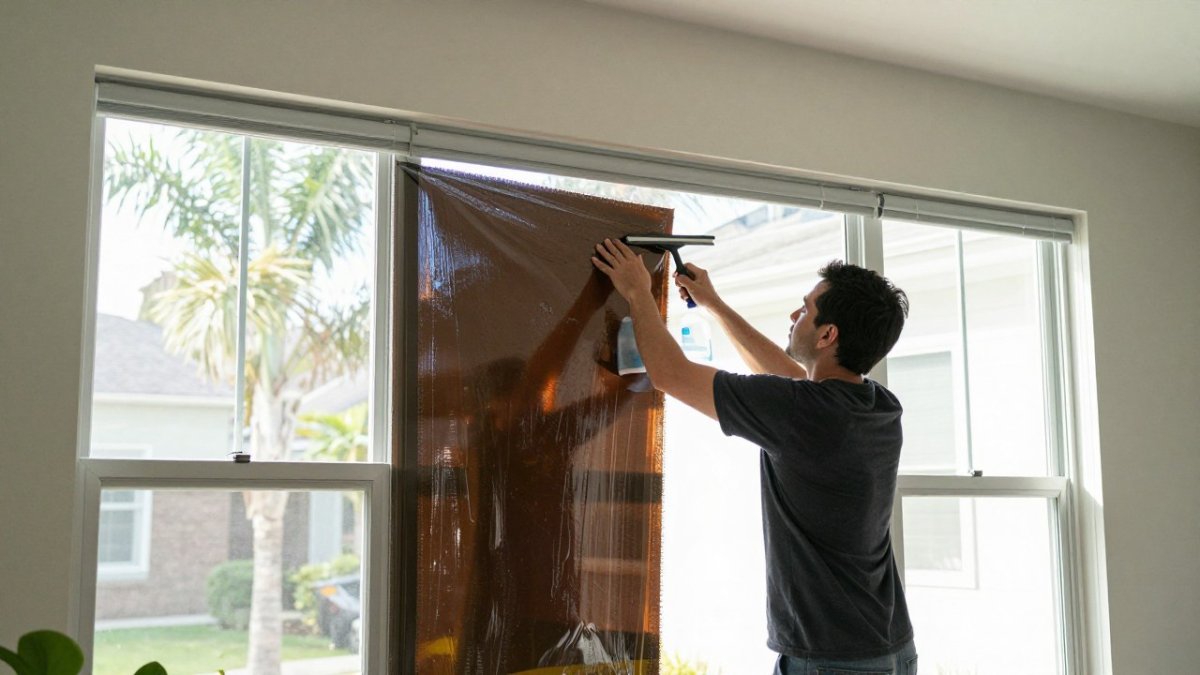
- Installation disruption: Film application needs clean, dry glass and dry weather conditions, which can affect scheduling.
Weighing these points against your own goals is more useful than assuming film will fix every issue. A consultation can show you which trade-offs matter most for your home.
Booking a Residential Tint Consultation at Coral Tint
Coral Tint has served South Florida homeowners since 1995 as a family-owned and locally operated business. We install precision-cut residential films designed to reduce heat and glare, block UV rays, and improve privacy. We also offer a nationwide lifetime warranty on eligible installations.
Our consultations start with a look at your home: window orientation, glass type, and the problems you want solved, whether that is cooling costs, fading, privacy, or glare. Our address is 10734 Wiles Rd, Coral Springs, FL 33076.
To learn what to expect from a residential project, read What Does Residential Window Tinting Cost in 2026?. When you are ready to talk through your home's specifics, request a consultation with Coral Tint and we will help you decide whether residential tinting is the right fit.
Frequently Asked Questions
Is it worth it to tint home windows?
For many homeowners, yes, but the payoff depends on the home. Residential window film is commonly used to reduce solar heat gain, block UV rays, and add daytime privacy. Homes with large west- or south-facing windows and strong afternoon sun are typically the strongest candidates. Coral Tint can review your windows and explain what to expect before you commit.
Does tinting your house windows help with furniture fading?
Yes. Window film that blocks ultraviolet light helps slow the fading of furniture, flooring, artwork and other valuables near windows. Protection varies by film type, so ask for the UV rejection specification of any product you are considering. Coral Tint can recommend a film based on how much direct sun your home receives.
What are the downsides of tinted windows?
The main drawbacks are a reduction in natural light, a tinted look that some homeowners dislike, and reduced visibility from inside at night when interior lights are on. Film performance also depends on window type and glass condition, so some windows may not be suitable. Reviewing these trade-offs before installation helps set realistic expectations.
Can residential window film be applied to every type of window?
Most standard residential windows can accept window film, but suitability depends on the glass type, its condition and the frame. Double-pane, insulated or specialty glass may need a specific film or may not be a good candidate. Older windows with seal failures or cracks may need repair first. A site assessment before purchase helps confirm compatibility. Contact Coral Tint at 10734 Wiles Rd, Coral Springs, FL 33076 to discuss your windows.